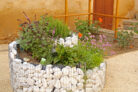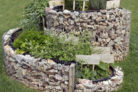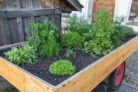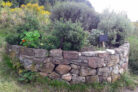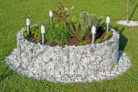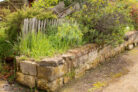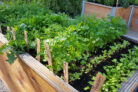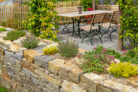
The countless types of herbs we love to grow in our backyards actually come from all sorts of different climates. Because of that, a standard flat garden bed doesn’t always make every plant happy. That’s where a winding herb spiral comes in! If you set it up correctly, it offers four distinct microclimates in one small footprint. It’s basically a custom-built paradise for your plants.
Herbs Need the Right Environment
We grow herbs for herb spirals because we love their bold flavors and healing properties. But here’s the thing: those essential oils and nutrients only really develop if the plant is living its best life in the right microclimate. Setting up the four zones of a spiral is the first step toward a great harvest. Since most herbs crave light and heat, you’ll want to pick a location that gets full sun. Thanks to the spiral shape and a height of up to four feet, you’ll naturally get some shadier spots, too. From bottom to top, the spiral offers these zones:
- The Water Zone
- The Moist Zone
- The Temperate Zone
- The Mediterranean Zone (Dry Zone)
Why Orientation Matters
To make sure your sun-loving perennial herbs get the soak time they need, you’ve got to face your herb spiral toward the south. This ensures the sunny spots stay sunny, while the herbs that prefer a bit of relief from the heat get their much-needed shade on the opposite side. If the bottom opening faces the wrong way, it’s a real shame for your harvest—the spiral just won’t be able to do the job it was designed for.
Pro Tip:
Try building your herb spiral from fieldstones or specific planter stones. These materials soak up the sun’s heat during the day and slowly release it at night, keeping your herbs cozy even after the sun goes down.
Getting the Soil Mix Right
A sunny, south-facing spot is a great start, but you also need to focus on filling your herb spiral with the right stuff. Herbs don’t just differ in their love for the sun; they also have very different “tastes” when it comes to soil—specifically regarding nutrients and drainage. Here’s how to mix the substrate for the four zones:
- Water Zone (Edge): Rich compost.
- Moist Zone: A 50/50 mix of loamy soil and screened compost.
- Temperate Zone: Equal parts garden soil, sand, and compost.
- Mediterranean Zone: A 50/50 mix of garden soil (or lean herb soil) and sand.