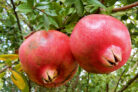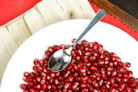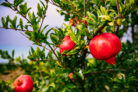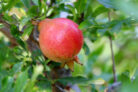
No bloom, no fruit—that’s the golden rule when it comes to pomegranates. While these exotic beauties can definitely be grown here, they’re a bit high-maintenance, and not just when it comes to winter protection. If you want to see those stunning flowers turn into juicy fruit, you’ve got to give them exactly what they need.
Those Gorgeous Blooms
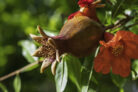
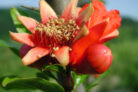
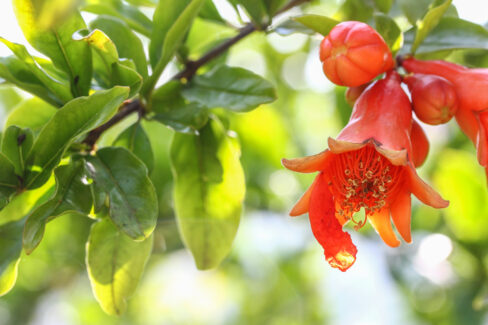
Pomegranates usually show off their flowers in late spring or early summer. In fact, many plants in the US are sold primarily as ornamental shrubs because the blooms are so striking. We’re talking bright red flowers up to an inch and a half wide, packed with tons of stamens in the center. Fun fact: every fertilized stamen has the potential to become a single pomegranate seed!
While classic red is the standard, you can now find varieties with yellow, pink, or orange blossoms. These are often labeled as “ornamental,” but they can still produce edible fruit. Just keep in mind that the fruit on these varieties is usually smaller than what you’d get from a cultivar bred specifically for harvesting.
If your goal is a big harvest, make sure you pick a self-fertile variety. Otherwise, you’ll need at least two plants blooming at the same time, plus plenty of busy pollinators to get the job done.
Don’t Skimp on the Water
When your pomegranate is in bloom, it’s thirsty! If the plant gets too dry, it’ll drop its flowers prematurely, and there goes your chance for fruit.
Start upping your watering game in the spring. You want the soil to stay moderately moist, but never soggy (nobody likes root rot!). Once you see those first flower buds appearing, keep that soil consistently damp. I also recommend a weekly dose of fertilizer. This doesn’t just encourage more blooms; it actually helps the flowers stay on the tree longer.
Harvesting in Late Fall
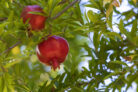
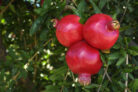
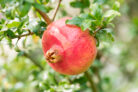
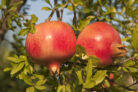
If your tree blooms early enough, you might see the first ripe fruits by September. However, the ripening season can easily stretch well into October. This is the tricky part: pomegranates don’t continue to ripen once they’re picked, so you have to leave them on the branch until they’re ready.
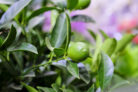
You’ll know a pomegranate is ripe when the skin starts to get a little “leathery” or even begins to crack slightly. If a fruit is *almost* there, you can leave it on the tree for a few extra weeks once you move it into its winter quarters. But if you have small, green fruits that clearly won’t make it, it’s best to snip them off before the plant goes into winter dormancy.