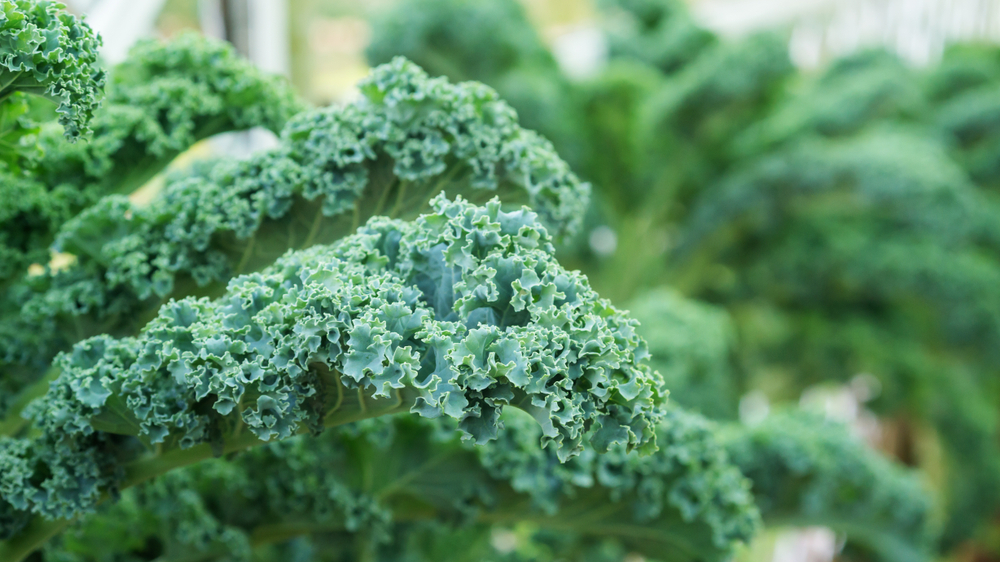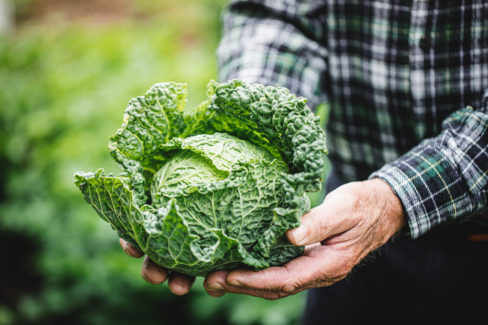
Kale is the ultimate winter superstar. While most of your garden has been tucked in for months, this hardy green is still out there standing tall and ready for your kitchen. If you’re wondering exactly when to start picking your crop, here’s the scoop on the perfect harvest time.
Wait for the Frost Before Harvesting Kale
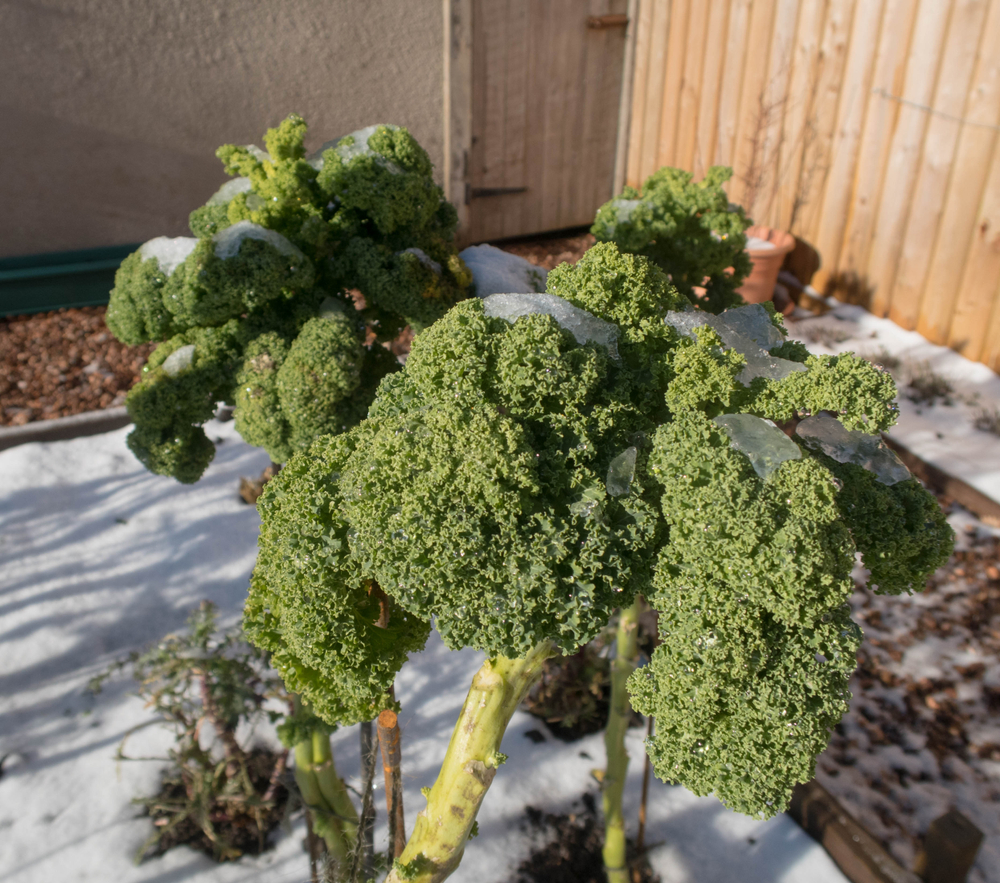
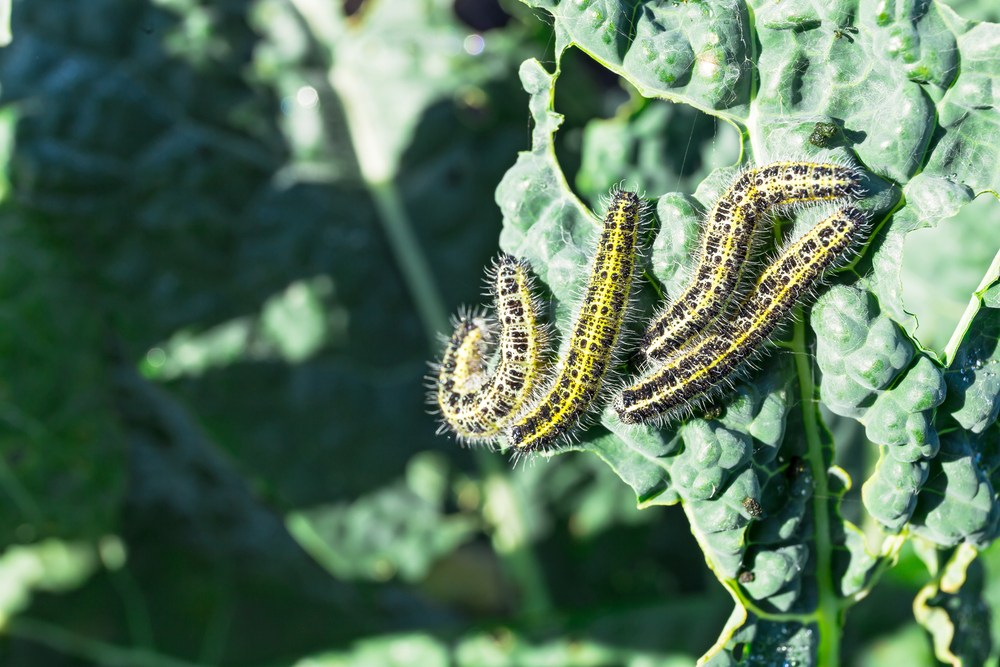
As a general rule of thumb, you want your kale to experience at least one good frost before you harvest it. This helps mellow out that signature bitterness. See, those bitter compounds are actually a defense mechanism the plant uses to keep pests away. Once the temperatures drop and a freeze hits, the plant doesn’t feel the need to protect itself as much, so it stops producing them.
For the mildest, sweetest flavor, let your kale sit through a few frosts. The later in the winter you harvest, the lower the bitterness and the higher the natural sugar (fructose) content. That said, kale isn’t toxic or “bad” if you eat it before a frost—as long as it’s mature, it’s perfectly safe to enjoy!
The Ideal Winter Veggie
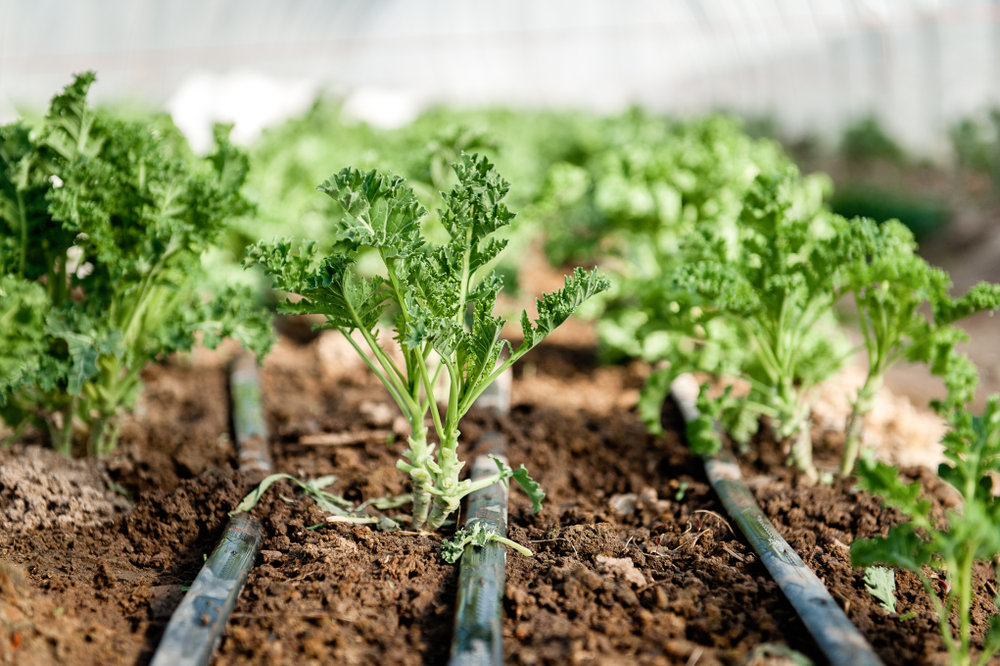
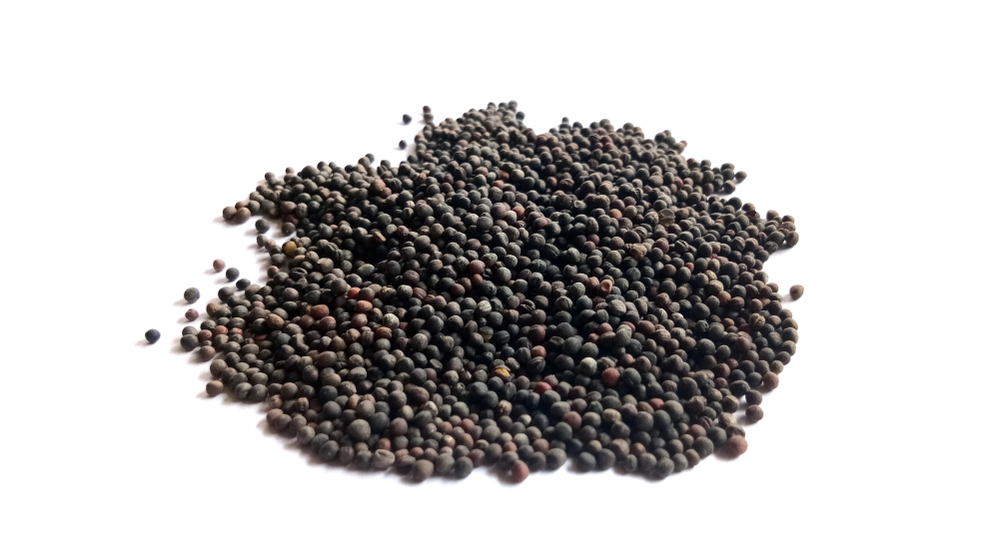
It usually takes about three to five months from the time you sow your seeds until your first harvest. The window typically opens in mid-autumn (around October) and can last all the way through late winter into February. During its first year, the plant focuses on leaves; in its second year, it’ll produce yellow flowers. If you let it go to seed, you can actually save those seeds to plant next season!
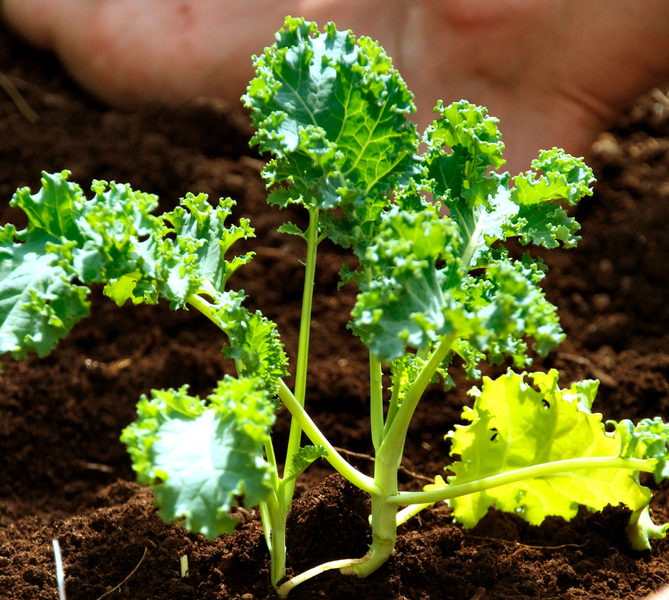
When harvesting, always pick the outer leaves first. This is the secret to a “cut and come again” crop—the plant will keep growing from the center, giving you a steady supply of greens. Once you bring it inside, you can store it, but try to use it within five days. Kale is definitely best when eaten fresh; the longer it sits, the more of those amazing vitamins and nutrients it loses.