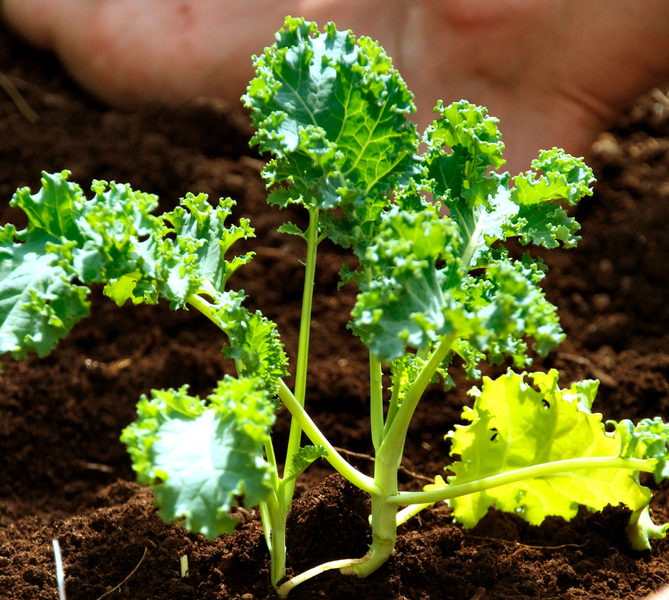
Kale is famous for being a tough-as-nails garden staple that usually shrugs off trouble. But even this hardy leafy green isn’t totally invincible. If you want to keep your harvest healthy, it helps to know which uninvited guests might show up for dinner. Here’s a breakdown of the common pests you might run into and how to handle them.
Common Pests That Love Your Kale
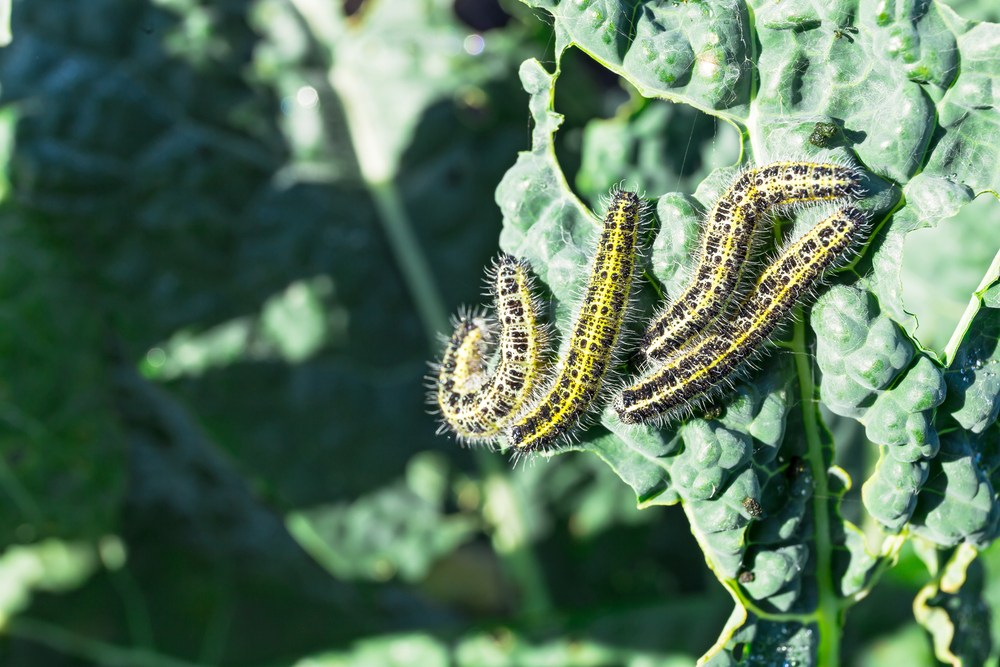
The most notorious visitor is definitely the Cabbage White butterfly. But he’s not alone—Whiteflies, Cabbage flies, and Flea beetles are also big fans of your greens. And let’s not forget caterpillars, which can leave your plants looking like Swiss cheese in no time. The Cabbage White is a pretty white butterfly that lays its eggs on the underside of the leaves. If you look closely, you’ll eventually spot the tiny caterpillars munching away.
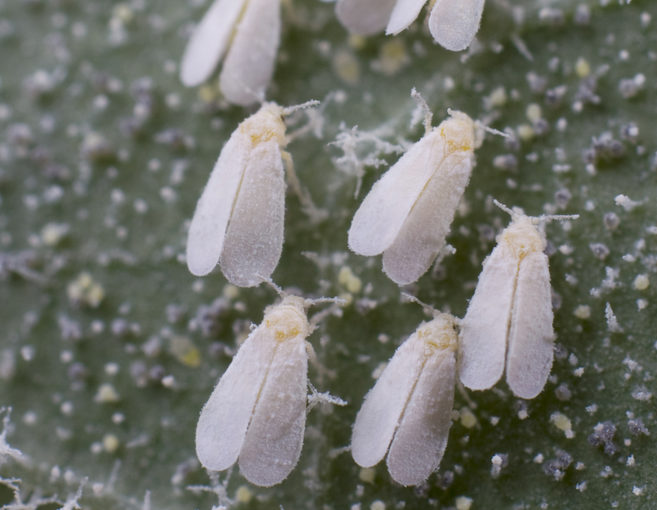
Whiteflies also prefer the undersides of the leaves and leave behind a tell-tale sticky residue. Then there’s the Cabbage fly, which is a bit of a master of disguise because it looks just like a common housefly. Don’t let them fool you—their larvae tunnel into the roots, which is a death sentence for the plant. Finally, Flea beetles are known for chewing tiny holes in the leaves and, more dangerously, attacking the root system as well.
Found a Pest? Here’s Your Game Plan
If you spot any of these critters, you’ve got to move fast. The sooner you jump into action, the better your chances of saving your crop. First, assess the damage. If the infestation is out of control, you might have to make the tough call to cut the plant back entirely. Remove any infested leaves and toss them straight into the trash.
Whatever you do, don’t throw infested plant parts on your compost pile! That’s just an open invitation for the pests to hang around and start the cycle all over again. Once you’ve cleared the debris, it’s time for treatment. Since you’re planning on eating this kale, you’ll want to skip the harsh chemical pesticides.
Natural remedies are just as effective (if not more so), and they’re way easier on your wallet. Here are a few organic options to get the job done:
- Water mixed with a few drops of Neem oil
- A simple insecticidal soap solution (water and castile soap)
- Nicotine-based solutions (tobacco tea)