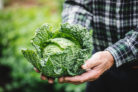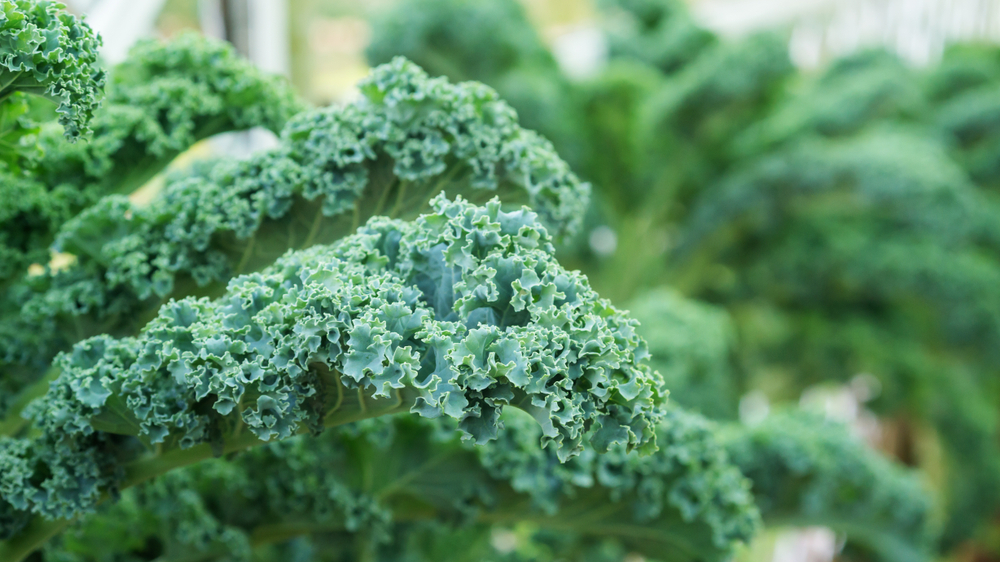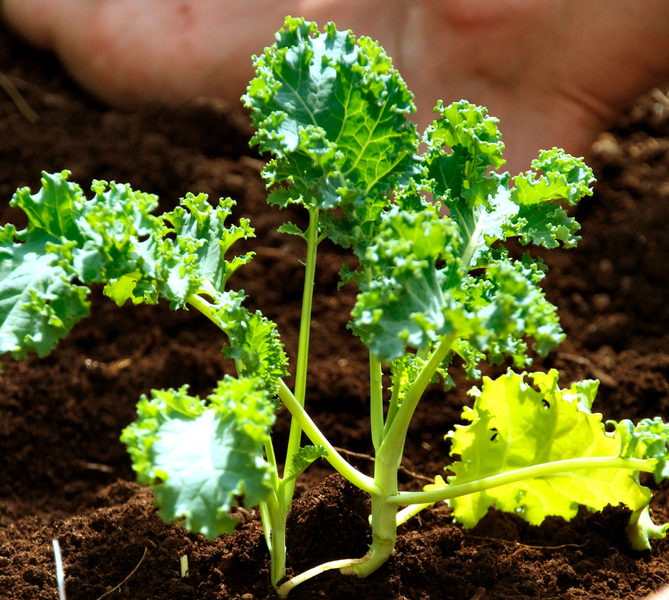
Growing kale (*Brassica oleracea var. sabellica*) is totally worth the effort. Not only does it taste amazing, but it’s also a nutritional powerhouse packed with vitamins and minerals. It’s definitely earned its “superfood” status over the last few years! If you’re thinking about adding some to your garden, here’s everything you need to know to get a great harvest.
Sowing Your Kale
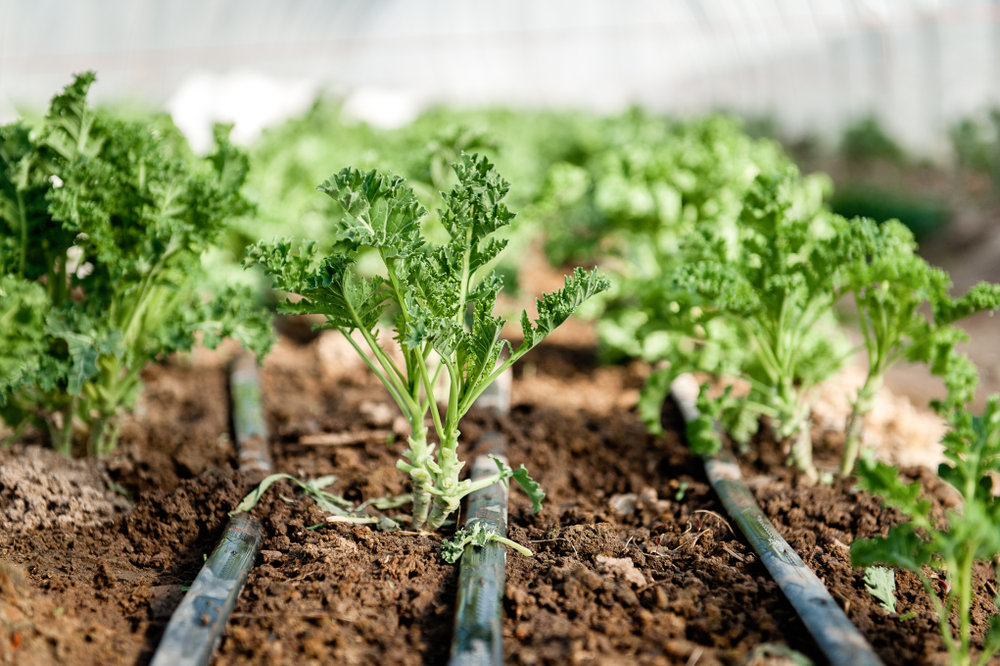
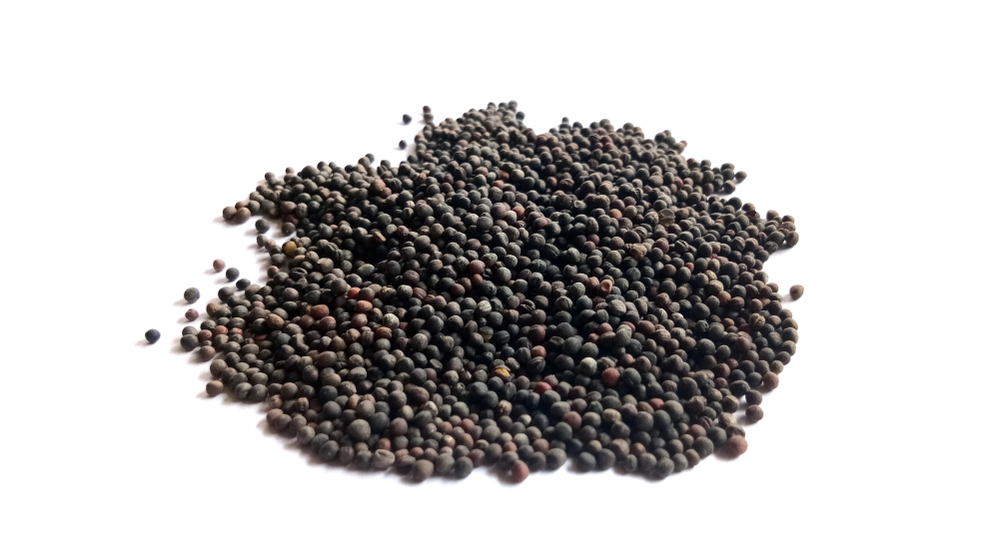
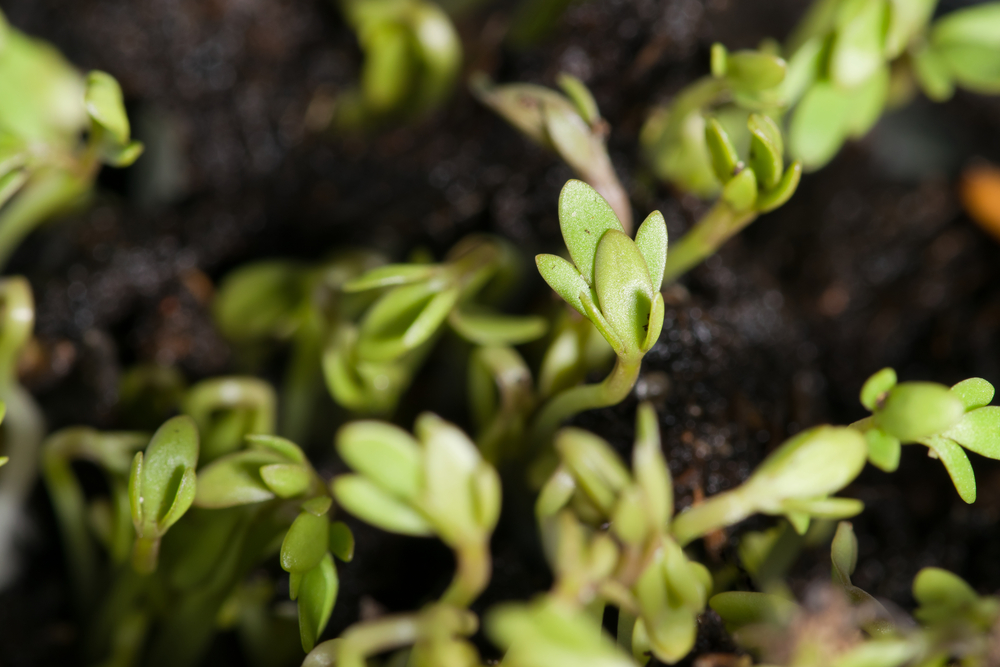
This hardy leafy green originally hails from Greece, but it really found its footing in Northern Germany and Scandinavia. Once you harvest it, the possibilities are endless—toss it raw into a salad or smoothie, or try it sautéed, steamed, or roasted. Since kale is a classic winter veggie, sowing the seeds happens a bit later in the season. You can start your little seedlings on a windowsill or in a greenhouse from May to June. Of course, if you’re short on time, you can always grab some starter plants from your local nursery.
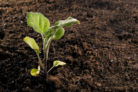
From May through June, those seedlings (whether home-grown or store-bought) are ready to head out into the garden. Just make sure to give them plenty of elbow room! You’ll want at least 16 to 20 inches (40 x 50 cm) between plants. If you crowd them, they’ll end up fighting over nutrients and won’t grow to their full potential.
Even though the babies look delicate, they grow up to be quite bushy and lush. Pick a spot that gets full sun to partial shade with soil that’s rich in organic matter. To keep your garden happy, make sure your kale’s neighbors like the same conditions. Great companion plants include:
- Potatoes
- Spinach
- Peas
- Leeks
- Lettuce
- Celery (its strong scent actually helps ward off pests—highly recommended!)
- Tomatoes (same deal as celery; they’re great bodyguards)
- Other cabbage varieties
- Herbs like cumin, chamomile, or cilantro (these can actually improve the flavor of your kale)
Planting Kale: Timing, Frost, and Pro-Tips
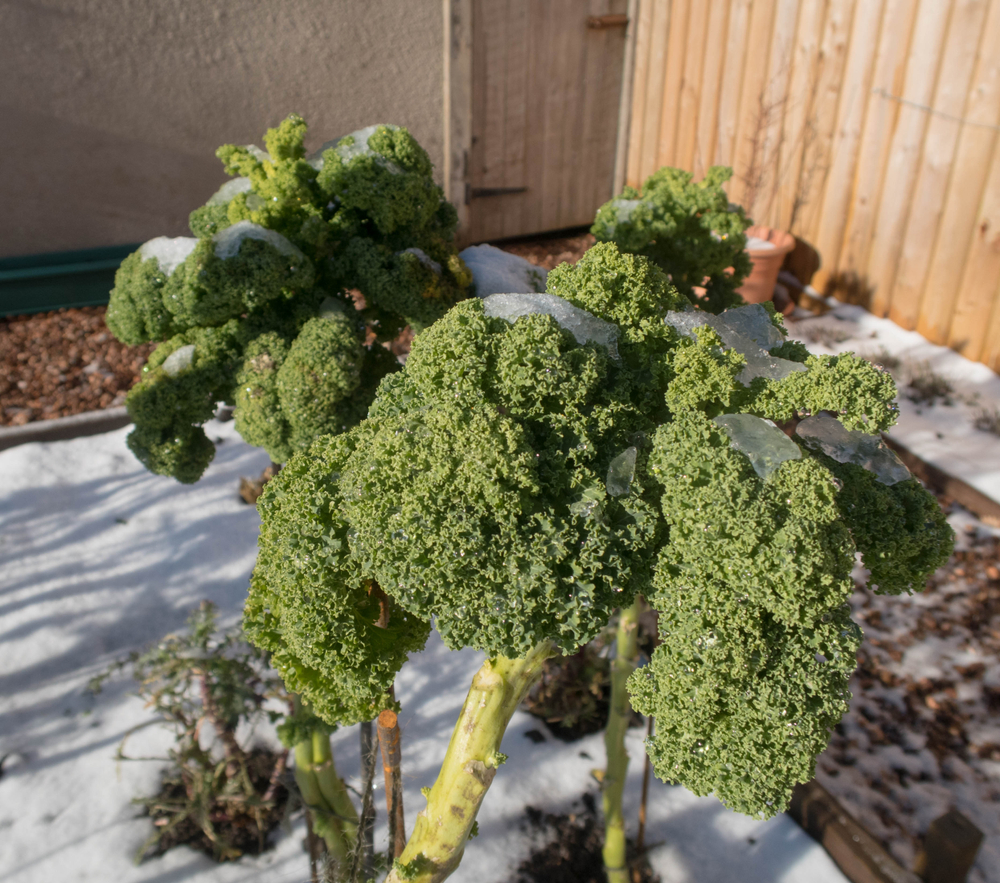
Kale is the ultimate winter warrior; it couldn’t care less about frost and snow. In fact, a little frost is actually *good* for it! When temperatures drop, the plant’s metabolism slows down. This causes it to produce less starch (which makes it bitter) and more glucose. The result? A much sweeter, milder flavor. That’s why most gardeners wait until after a frost or two to really get harvesting.
Because it loves the cold, kale is perfect for succession planting. Once you’ve cleared out your earlier crops, you can sow kale from late June to early August. Just keep in mind that kale is a “heavy feeder.” It won’t do well in soil that’s been depleted by previous plants. To fix this, mix in a generous helping of compost and use an organic fertilizer when planting.
If your soil is really poor, you can work in some horn meal or manure. Just a heads-up: be careful with manure or other “fragrant” fertilizers, as they can sometimes affect the taste of the kale. Use them sparingly, and always make sure the manure is well-rotted, never fresh. Kale loves loose, well-draining loamy soil, so give the earth a good turn with a shovel before you plant.
Loamy soil is great because it stays cool and holds moisture well. However, kale hates “wet feet” (standing water), so you only need to water it moderately. Just make sure the soil stays consistently moist right after planting. Overall, kale is pretty low-maintenance and gives you a lot of bang for your buck, making it a perfect choice for beginner gardeners.
Extra Tips for a Successful Harvest
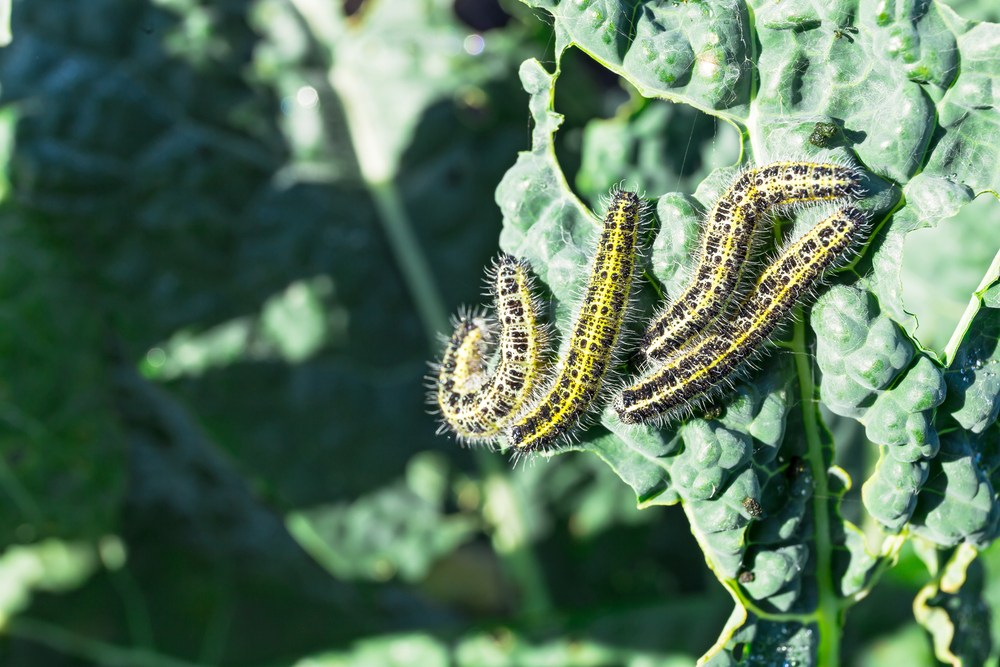
When you move your young plants into the garden, I recommend using garden netting to protect them from Cabbage White butterflies. These pests can do a lot of damage quickly, so prevention is definitely better than a cure here! To keep aphids at bay, a little rock dust or wood ash can work wonders.
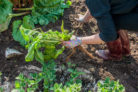
When it comes to harvesting, there’s a trick to keep the greens coming all season long. Start by picking only the outer green leaves and leave the “heart” (the center) alone. The plant will keep producing new leaves until it eventually stops growing for the season. This way, you don’t have to worry about storing a massive haul all at once—you can just pick what you need for dinner. At the very end of the season, you can harvest the heart.
Once the harvest is over, try leaving the stump in the ground. There’s a good chance it will sprout new shoots in the spring! Kale is actually a perennial in many cases. Plus, it’s incredibly healthy—it has some of the highest Vitamin C content you can find in the vegetable kingdom. Happy gardening!