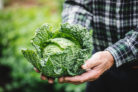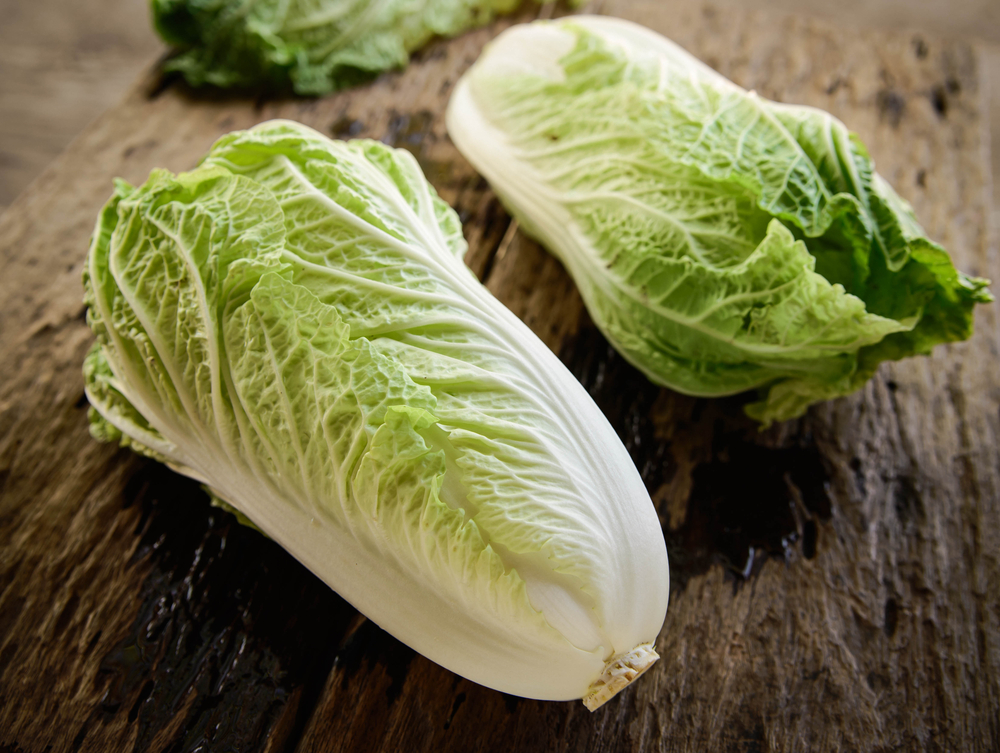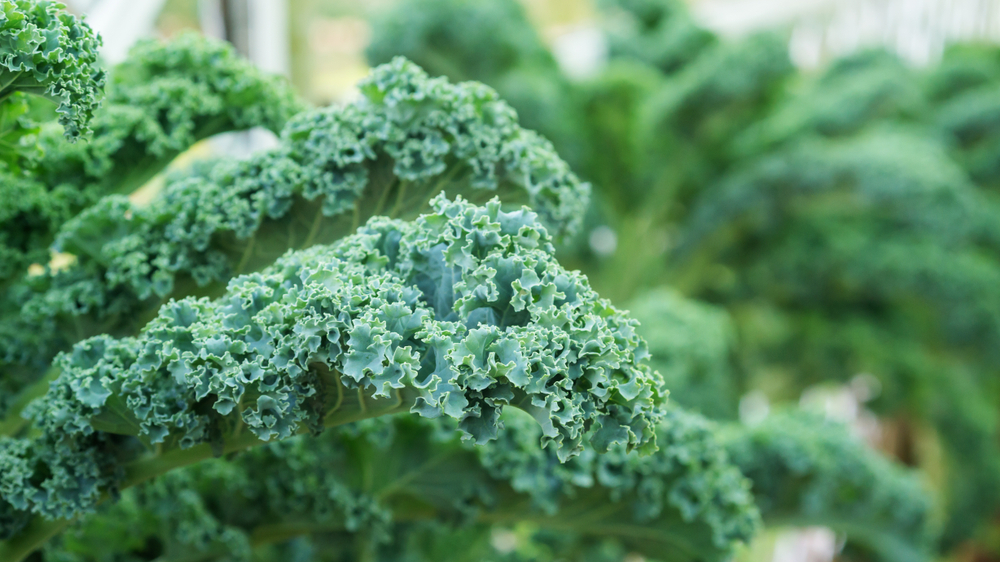
When it comes to cabbage, one size definitely doesn’t fit all—and the same goes for kale! While we usually just think of “kale” as that curly green stuff at the grocery store, there’s actually a whole world of varieties within the kale family. If you’re curious about what makes each one special, you’ve come to the right place.
Kale: Origins, Nicknames, and Global Roots
Depending on where you are in the world, kale goes by many names. In different regions of Europe, you might hear it called:
- Brown kale,
- Winter kale,
- Leaf cabbage,
- Tall kale,
- Feather cabbage, or
- Curly kale.
Its official botanical name is *Brassica oleracea var. sabellica L.* While it’s a staple in Central and Western Europe, North America, and parts of Africa, it wasn’t always the “cool kid” on the block. Today, it’s hailed as a major superfood, even giving Swiss chard and spinach a run for their money in the health-food world. Originally, this leafy green hailed from the Atlantic and Mediterranean coasts, and just like its cousins broccoli and cauliflower, it traces its lineage back to wild cabbage.
Quick Facts for Your Garden
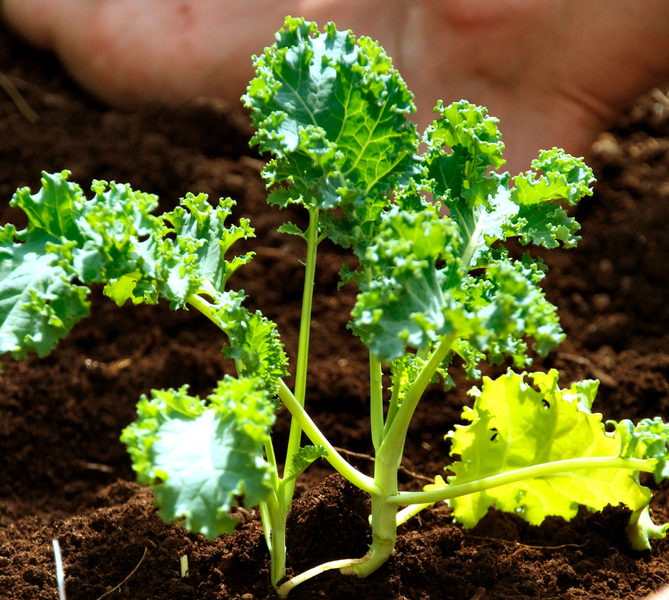
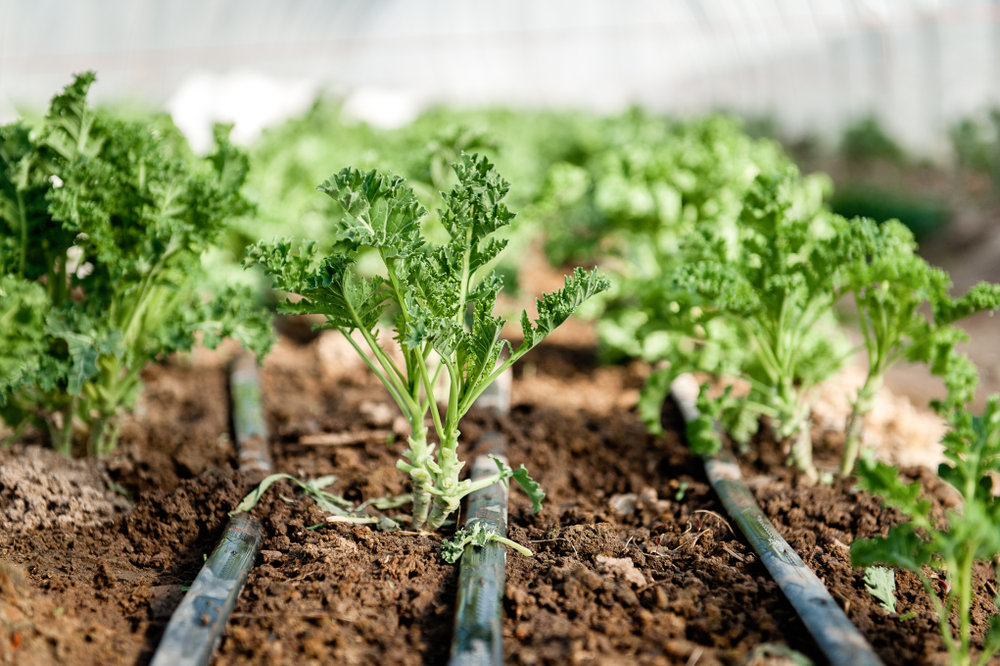
Kale belongs to the Brassicaceae (mustard) family. If you’re looking to get a head start, you can sow your seeds in early May and transplant them into your garden beds by late May. The harvest window is pretty generous, usually stretching from October all the way through February. If you leave it in the ground for a second year, the plant will bloom with lovely little yellow flowers.
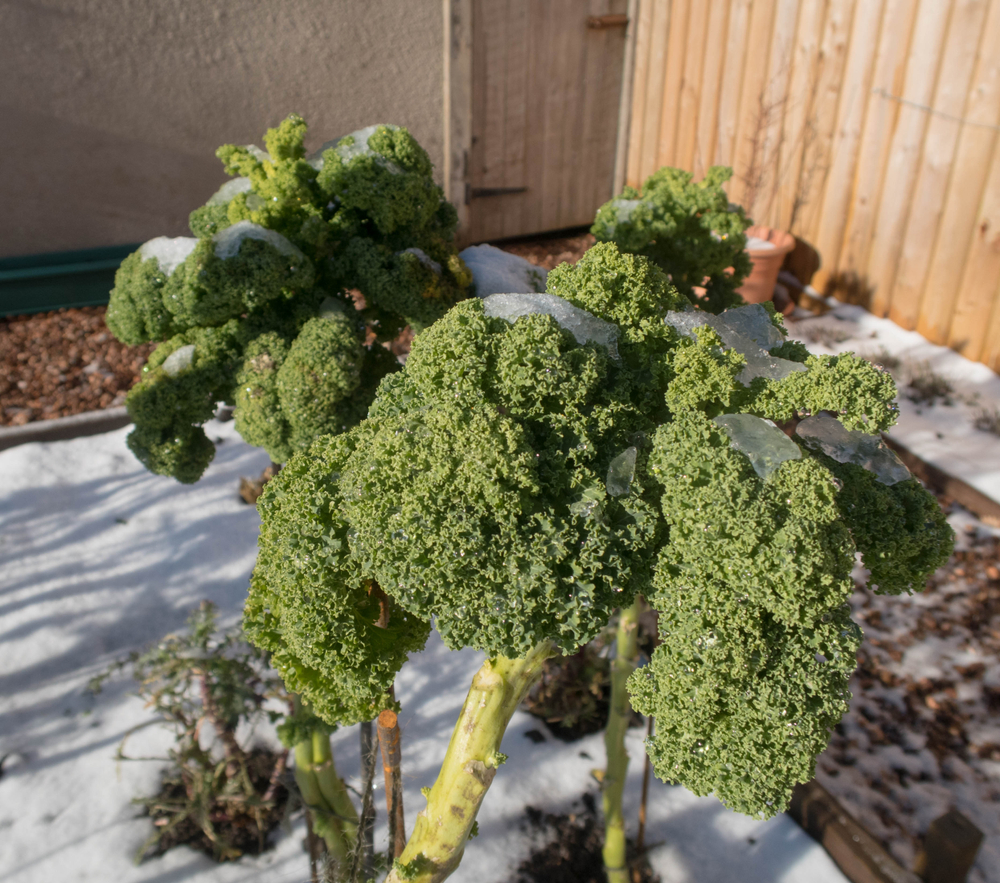
One of the coolest things about kale is that it actually benefits from a good frost. When temperatures drop, the plant’s metabolism slows down, converting starch into glucose. This process reduces the bitterness and makes the leaves taste much sweeter and milder. Whether you’re sautéing, steaming, blanching, or tossing it raw into a smoothie, kale is incredibly versatile. And let’s not forget the fan favorite: crispy kale chips!
The Best Varieties to Grow
If you browse a seed catalog, you’ll find tons of kale varieties. They differ in leaf shape, color, growth height, and how well they stand up to a deep freeze. Almost all varieties need that touch of frost to bring out their best flavor—with a few exceptions, like the famous Italian ‘Lacinato’ (also known as ‘Nero di Toscana’ or Dinosaur kale).
Here are some popular varieties to look for:
- ‘Frostara’: Very juicy, bright green, and extremely hardy.
- ‘Kadett’: Features dark green leaves and a beautiful structure; very winter-hardy.
- ‘Redbor’ (Red Kale): Stunning finely ruffled leaves that range from green and brown to deep violet. It’s quite hardy too!
- ‘Winnetou’: Dark green, coarsely ruffled leaves; very reliable in winter.
- ‘Winterbor’: Known for its dark green, heavily curled leaves and great cold resistance.
Most of these varieties grow between 28 and 35 inches tall and are harvested throughout the winter months. While most kale thrives in open garden beds, if you’re a “balcony gardener” with limited space, ‘Nero di Toscana’ is a fantastic choice for containers. One fun tip about red kale: it keeps its beautiful purple-red hue while raw, but don’t be surprised if it turns back to green once you cook it!