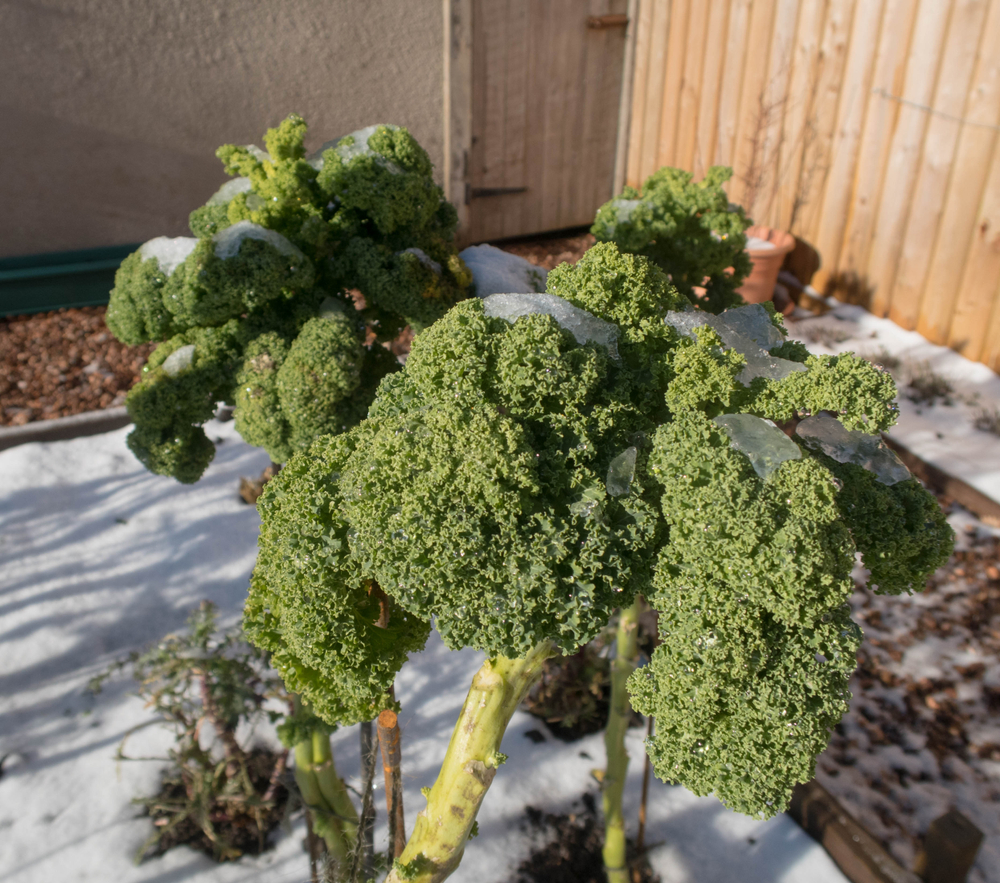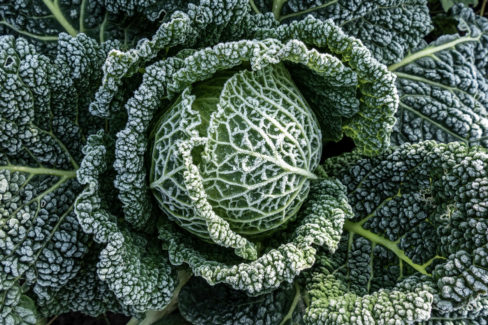
You’ve probably heard the old gardening wisdom: while frost is a death sentence for most fruits and veggies, some plants actually *need* a good chill to shine. Kale is the perfect example. Most gardeners wait until after the first frost to harvest because that’s when it loses its bitter edge and gets that delicious, sweet flavor we love.
Why Frost is the Secret Ingredient for Great Kale
It’s true—kale is intentionally left out in the cold. However, there’s a common myth floating around that the frost magically “converts” starch into sugar. That’s not quite how the science works. While the end result is a sweeter leaf, the process is a bit different.
When temperatures drop, the plant’s metabolism slows down (honestly, same here!). Because of this slowdown, the kale stops producing as much starch. However, photosynthesis keeps right on going, which means the plant continues to produce glucose. So, it’s not that starch is turning into sugar; it’s that the kale is “choosing” to build up glucose instead of starch.
Less starch and more glucose means less bitterness and a much sweeter taste. This is exactly why we leave it out in the garden through late autumn and into December. In fact, the harvest season can easily stretch into January and February.
The More Frost, the Milder the Flavor
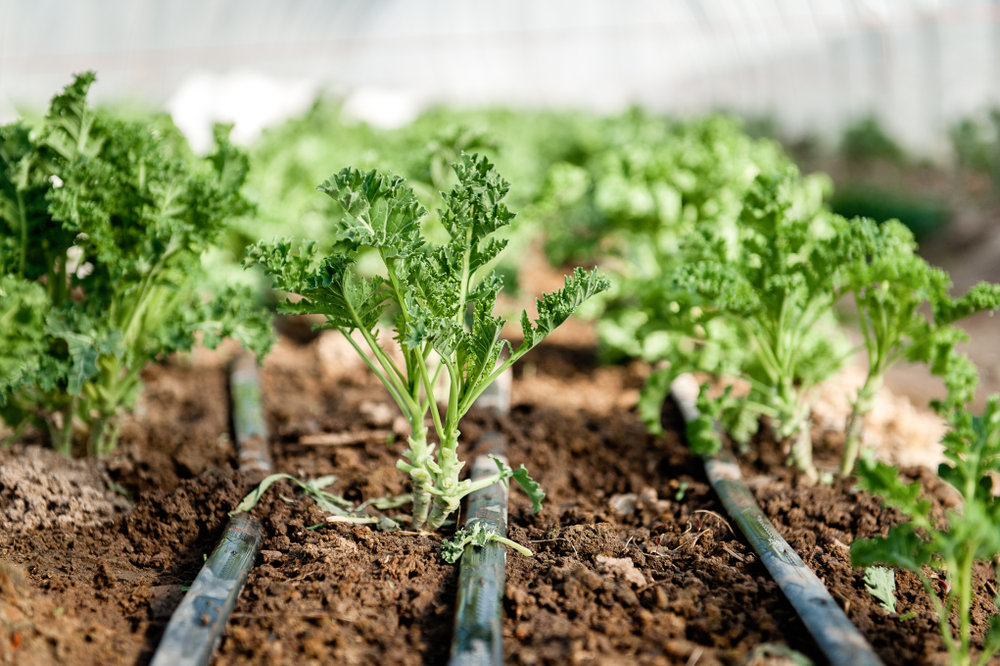
If you can, try to let your kale experience a few different frost cycles. A great tip is to harvest only the outer leaves and let the rest of the plant keep growing. This way, you get a steady supply of greens all winter long. Just keep in mind that since the plant’s metabolism has slowed down, it won’t grow back nearly as fast as it did in the summer. Don’t worry—that’s totally normal! Eventually, the plant will stop growing altogether, and that’s your sign to finish up your final harvest.
But what if you already harvested your kale before the first frost hit? You might think, “Hey, I’ll just toss it in the freezer for a bit to get that sweetness.” Unfortunately, that’s a no-go. The metabolic magic only happens in a *living* plant. Once the kale is picked, its metabolism stops, so sitting in the freezer won’t change the starch-to-sugar ratio. If you want that signature sweet flavor, you’ve got to let nature do the work while the plant is still in the ground. If you need tips on keeping your harvest fresh after the fact, check out our guide on how to store kale properly!