When you’re planning out your veggie patch, one of the biggest questions is always: “Is this a one-and-done plant, or will it keep coming back?” If you’re eyeing some leafy greens for your garden, you might be wondering where kale fits in. Let’s dig into whether kale is an annual or a perennial and what that means for your harvest.
Is Kale a Perennial or an Annual?
Technically speaking, kale is a biennial plant, meaning its natural life cycle spans two years. However, if you look at the back of a seed packet, you’ll notice most gardeners treat it as an annual. Why the discrepancy? It mostly comes down to how we eat it.
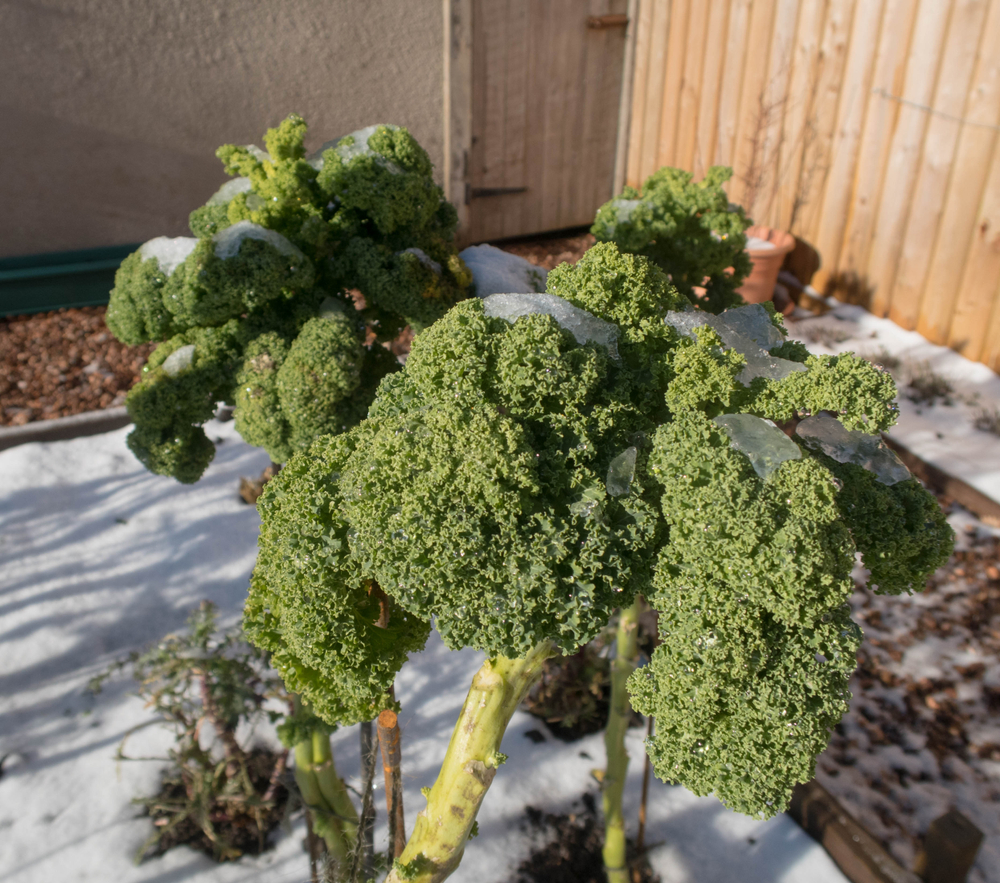
Kale is the ultimate winter superstar. It’s usually harvested from October through February because it actually tastes better after a good frost. When temperatures dip below freezing, the plant’s metabolism shifts—it slows down starch production and pumps up the glucose. This swap turns those bitter leaves into something much sweeter and milder.
Since most people clear out their beds in early spring to make room for summer crops, they pull the kale once the winter harvest is over. If you left it there from February to October, it would just be taking up prime real estate where your tomatoes or peppers could be growing!
There’s also the “hungry plant” factor. Kale is a heavy feeder (a member of the brassica family), meaning it sucks a ton of nutrients out of the soil. To keep your soil healthy, it’s best to follow a crop rotation and wait about three years before planting kale in the exact same spot again. This cycle naturally encourages gardeners to treat it as a single-season crop.
What Happens in Year Two?
So, why is it called a biennial if we usually pull it after one winter? Well, if you leave kale in the ground, it enters its second phase of life the following summer. But here’s the catch: it’s no longer great for eating.
In its second year, the plant shifts all its energy away from tasty leaves and into reproduction. It will “bolt,” sending up stalks of bright yellow flowers. Like other cruciferous vegetables, these flowers have four distinct petals and are actually quite pretty!
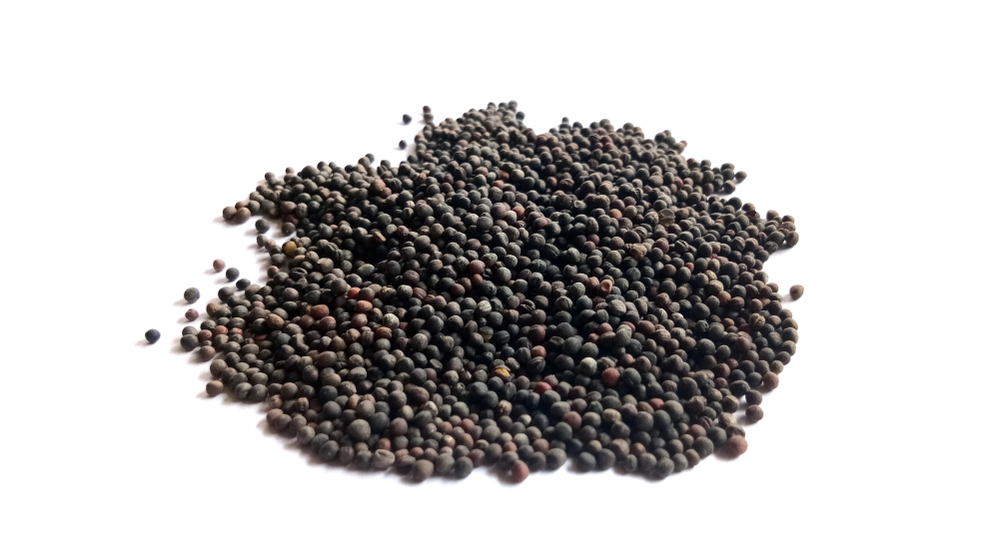
If you have the space, letting a few plants bloom is a great idea. Once the flowers fade, you can collect the seeds to plant a fresh crop the following year. Just remember to pick a new, nutrient-rich spot in your garden for those new seeds so they have plenty of fuel to grow big and strong!