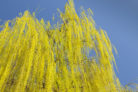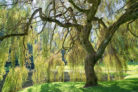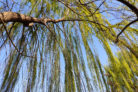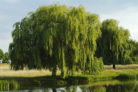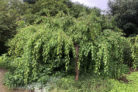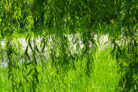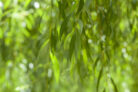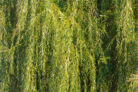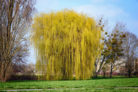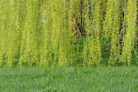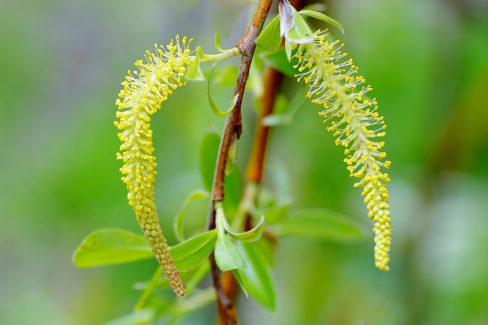
When you think of willow trees, the Weeping Willow is usually the first one that comes to mind. With those iconic sweeping branches and unique foliage, it’s a total standout in any landscape. If you’ve ever wondered what makes those leaves so special, here’s the lowdown on the look and characteristics of this classic beauty.
The Vibe of Weeping Willow Leaves
The Salix babylonica—better known as the Weeping Willow—is easily one of the most beloved trees out there. It’s not just its impressive size or how long it lives that makes it a fan favorite; it’s that unmistakable silhouette. With branches that drape toward the ground (or dip right into a lake) like they’re in mourning, it creates a peaceful, almost magical atmosphere.
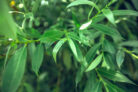
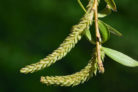
The leaves play a huge role in that look. Sometimes called the Chinese Willow, this tree features elegant, elongated leaves that look like delicate brushstrokes following the downward curve of the branches. The top of the leaf is a deep, calming green, while the underside is a lighter, silvery-grey green. If you get up close, you can even see a fine, net-like pattern on the surface.
Leaf Specs at a Glance:
- Length: 3 to 6 inches
- Width: About 0.5 inches
- Edges: Finely serrated (toothed)
- Shape: Long, narrow, and pointed
- Stem length: Very short (about 1/8 to 1/4 inch)
- Arrangement: Alternate along the branch
The Perfect Match: Growth Habit Meets Foliage
There’s a reason Weeping Willows by a lake are such a popular photo op! But even without a waterfront view, this tree is a total showstopper in any yard. That signature “mood” it creates is all thanks to the foliage. And hey, if you don’t have a massive estate, you can actually keep a weeping willow smaller with the right care.
The magic happens because the leaves and the growth habit are in perfect harmony. If you want your willow to look its best, you need to make sure it’s healthy enough to produce a full, lush canopy. Picking the right planting spot is key here.
To keep those leaves working hard at photosynthesis, Weeping Willows need two main things: plenty of sunshine and lots of moisture in the soil. The tree turns that sun and water into the energy it needs to thrive. Just a heads-up for the fall: the tree will drop its leaves. Unless the tree is dealing with a disease (in which case you should bag them or burn them), you can toss those leaves right into your compost pile. And don’t worry—the foliage is non-toxic!