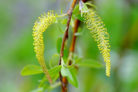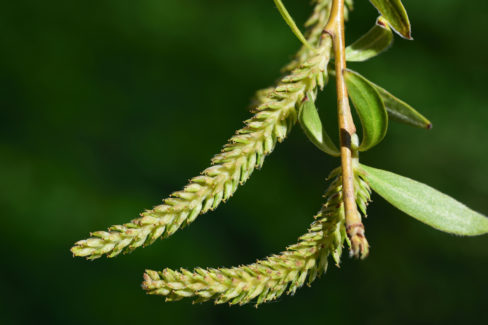
Knowing how to spot weeping willow seeds isn’t just a fun party trick for tree identification—it’s actually the first step if you want to grow one of these beauties yourself! If you can get your hands on some viable seeds and give them the right environment, you can start your very own willow journey. Here’s the lowdown on everything you need to know about weeping willow seeds and how they work.
Weeping Willow Seeds and Propagation
The classic weeping willow, or *Salix babylonica*, is a total magnet for pollinators when it blooms every year. These trees produce tiny capsule fruits that hold even tinier seeds. Nature has a clever way of spreading them around: they’re light enough to catch a breeze, but they also have a habit of hitching a ride on the bodies of visiting insects. Whether by wind or by bug, these seeds can travel surprisingly long distances to find a new home.
If you’re looking to harvest some, you can pluck the seeds right off their stems once they’re ripe. A quick pro tip: willow seeds have a super short “shelf life” and stay viable for only a tiny window of time. Because of this, harvesting them fresh from a local tree usually works way better than buying them online, where they might have already lost their spark. If you’ve already got a willow in your yard, you’re sitting on a goldmine!
Key Characteristics of the Seeds
- Weeping willows produce small capsule-like fruits that house the seeds.
- Fun fact: These are actually some of the smallest seeds of any deciduous tree!
- Timing is everything—the seeds are only capable of germinating for about two weeks.
- The seeds are covered in tiny, fluffy hairs that help them float through the air.
How to Grow a Willow from Seed
Most gardeners prefer to propagate weeping willows using cuttings because it’s a bit more reliable. Growing them from seed can be a little tricky since you have to catch that narrow window of viability. But don’t let that stop you! It’s a rewarding project if you’re up for the challenge.
Here’s how to get started:
- Pick a sunny spot with plenty of soil, or prep a starter pot.
- Loosen up the soil so it’s nice and airy.
- Plant several seeds at once to increase your odds.
- Don’t wait! Plant them immediately after harvesting since they don’t stay viable for long.
- Keep the area nice and hydrated—willows love their water.
- If all goes well, you’ll see those seeds sprout surprisingly fast!