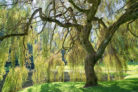
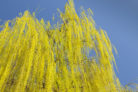
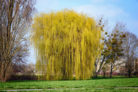
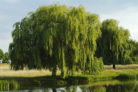
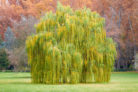
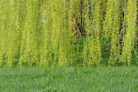
With its unique silhouette and elegant, sweeping branches, the weeping willow is easily one of the most beloved trees out there. Most of us can’t help but picture a romantic scene by a river or a quiet lake whenever we see one. But even though they’re iconic, there’s a lot more to these trees than just a pretty face. Let’s dive into what makes this tree so special.
A Tree That Radiates Serenity
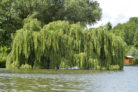
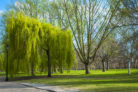
When it comes to the willow family, the weeping willow is definitely one of the heavy hitters. These giants can reach heights of about 100 feet, and if you pick the right spot for them, they can spread out up to 50 feet wide. You’ll recognize that classic shape from a mile away—those long, slender branches draping all the way down to the ground. That’s exactly how the *Salix babylonica* got its common name. Fun fact: while they’re a staple of Western landscapes, they actually originally hail from China.
Key Characteristics
- Height: Can reach a solid 100 feet
- Width: Up to 50 feet across
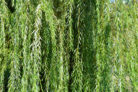
- Leaf Shape: Lance-shaped (long and narrow)
- Edges: Finely serrated
- Leaf Color: Bright green on top
- Underside: Silvery gray-green
- Vein Pattern: Net-like
What It Needs to Thrive
- Plenty of moisture (they love water!)
- Full sun
- Flexible with soil (acidic or alkaline is fine)
- Lots of elbow room away from other plants
A Favorite Hangout for Bees and Bumblebees
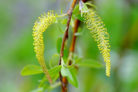
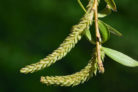
In the springtime, this fast-growing tree puts on a show with countless little catkins. Depending on whether you have a male or female tree, these fuzzy, sausage-shaped clusters will look a bit different. They produce yellow flowers packed with nectar. If you have a male tree, get ready for some garden visitors—bees and bumblebees absolutely love these from April through May. The flowers produce seeds that have tiny tufts of hair, making it easy for them to hitch a ride on insects or the wind to spread and grow in the wild.
The Weeping Willow Blooms
- Bright yellow in color
- Male plants give off a lovely sweet scent
- Grow along the fuzzy catkins
- Major magnet for pollinators
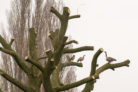
It’s not just the bugs that love this tree; birds are big fans, too. The dense, crisscrossing branches provide the perfect sturdy forks for building nests. Plus, that thick canopy of leaves offers great protection for baby birds. Just a heads-up for my fellow gardeners: try to avoid pruning during nesting season. You wouldn’t want to disturb your feathered neighbors, and in some places, you could even face a fine for messing with active nests!