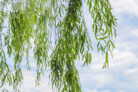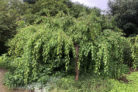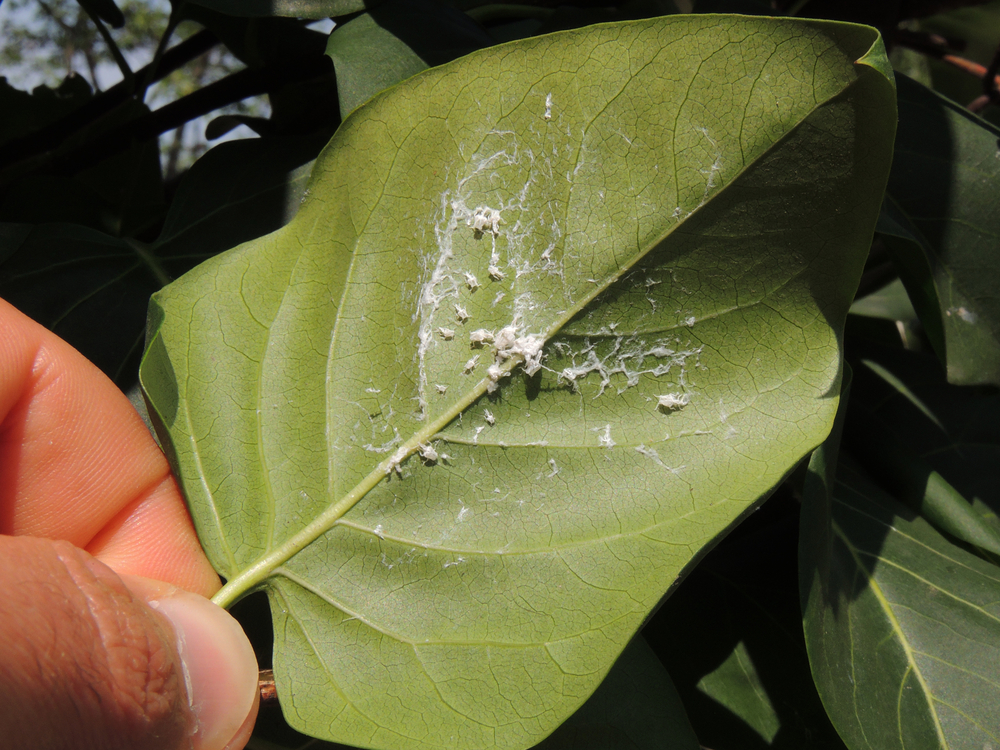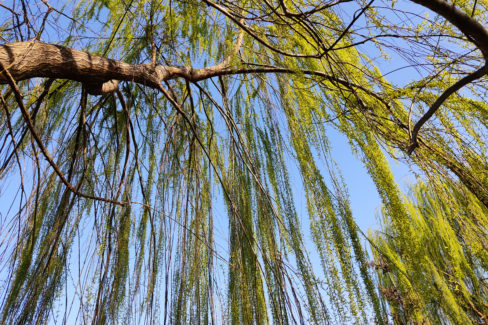
Weeping willows are incredibly hardy trees, and for the most part, a healthy willow can shrug off most pests without breaking a sweat. However, there are a few diseases that can really give these graceful giants a hard time. If you want to keep your willow looking its best, here’s how to spot the red flags and get your tree back on its feet.
Healthy Leaves Are the Best Sign of a Happy Tree
If you’re wondering how your weeping willow is doing, the first place to look is the branches and, more importantly, the leaves. Most fungal diseases act like little vampires—they suck the sap right out of the tree, causing the tissue in those areas to die off. You might start by noticing tiny little spots, but don’t ignore them! Those spots can quickly turn into a full-blown fungal infection. Catching it early is the secret to saving your tree.
The Most Common Willow Ailments
- Willow Scab
- Marssonina Leaf Drop (Anthracnose)
- Silver Leaf Disease
With Willow Scab, the fungus basically takes over, covering the plant in a film and causing some pretty noticeable discoloration on the branches. The fungus *Pollaccia saliciperda* is usually the culprit here; it starts by spotting and withering the leaves before working its way down into the tips of the shoots.
Then there’s Marssonina leaf drop, another fungal headache caused by *Marssonina saliciola*. You’ll recognize this one by strange growths or cankers on the twigs, usually starting right at the tips of the new growth. Finally, Silver Leaf disease (*Stereum purpureum*) lives up to its name by coating your willow’s foliage in a distinct, metallic silvery sheen.
What to Do if Your Tree Gets Sick
- Prune the tree and remove all infected branches
- Treat the plant with phosphorus and potassium if necessary
If your weeping willow catches a bug, you’ve got to be a bit ruthless. You’ll need to prune away every single infected part of the tree. Sometimes this means a pretty radical haircut, but it’s the only way to make sure the fungus doesn’t keep spreading. For issues like Silver Leaf or Willow Scab, a boost of phosphorus and potassium can also help the tree fight back and regain its strength.
One pro tip: be super careful with how you get rid of those diseased branches! Whatever you do, don’t just toss them on your compost pile. If you do, the fungus will just hang out there and eventually spread to the rest of your garden. It’s best to burn the debris (if your local laws allow it) or seal them up in yard waste bags to be hauled away by the pros.