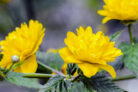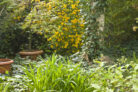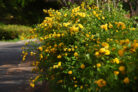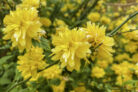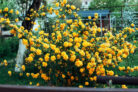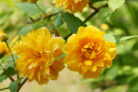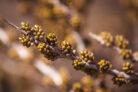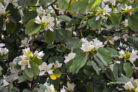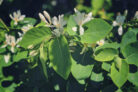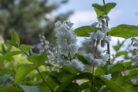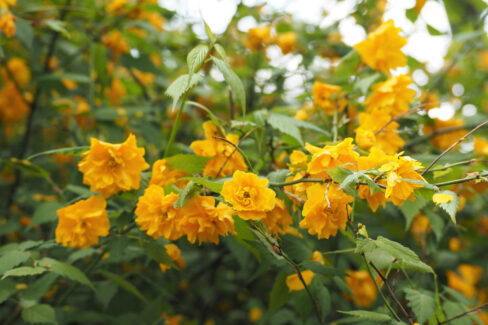
In the spring, the Japanese Rose (Kerria japonica) puts on a serious show, covering its long, arching branches in countless golden-yellow blooms. It’s a total head-turner when planted as a focal point! However, it’s pretty common to see those pesky brown spots popping up, which can definitely ruin the vibe of your garden.
Dealing with Brown Spots on Your Japanese Rose
If you’re noticing brown spots on your shrub’s leaves, there are usually a few main culprits behind it:
- A viral or fungal infection
- The wrong location in your yard
- A little bit of “tough love” (aka poor maintenance)
Diseases
The Japanese Rose is actually a pretty tough cookie and doesn’t get sick often. But every now and then, fungi can move in. Leaf spot disease, for example, is a fungal issue that loves to show up when the weather stays damp and humid. If you see infected branches, grab a pair of disinfected pruning shears, snip them off, and toss them in the trash (not the compost!) to stop the spread. If that doesn’t do the trick, you might need to apply a fungicide. To prevent this in the future, make sure your shrub is in a spot with good airflow and give your plants plenty of elbow room so they can dry out quickly after a rain.
Wrong Spot, Wrong Soil
Your Japanese Rose is happiest in a sheltered, partially shaded spot where it isn’t getting baked by the harsh midday sun. The soil matters just as much! Here’s what it’s looking for:
- Well-draining soil (sandy-loam is the “sweet spot”)
- Low lime content
- Slightly acidic pH
- Consistently moist, but never soggy
Maintenance Mishaps
One reason we love this shrub is that it’s so low-maintenance, but even “easy” plants have their limits. Brown spots can actually be a sign of a nutrient imbalance. You really only need to feed it once with fresh compost right before the new growth starts in spring. If you overdo it with fertilizer, the plant will protest with brown leaves. If the soil is already way too salty from over-fertilizing, your best bet is to transplant it to a fresh spot. On the flip side, if it’s starving for nutrients, you’ll also see leaf discoloration—in that case, a quick serving of compost or organic fertilizer will fix it right up.
Also, keep an eye on drainage. If rainwater pools around the base, the roots can’t breathe, leading to root rot. You can prevent this from the start by mixing in some drainage material (like gravel or sand) when you first plant it.
How to Keep Your Shrub Healthy
If you stick to these simple tips, your Japanese Rose should stay happy and disease-free:
- Keep the soil consistently moist
- Apply mulch around the root zone to hold in moisture
- Do some regular thinning out rather than heavy pruning
- Avoid “radical” hard pruning
- Keep it out of the direct midday sun
- Ensure good drainage before planting