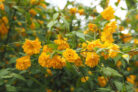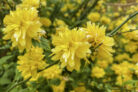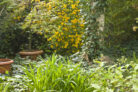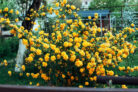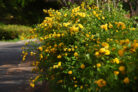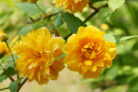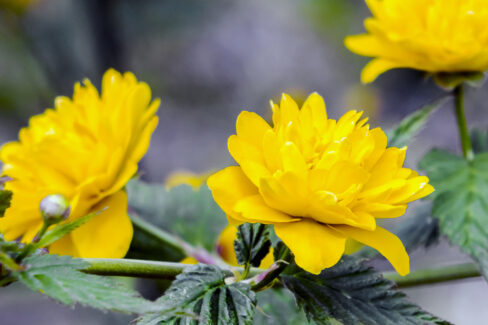
The Japanese Rose (Kerria japonica) is a real tough cookie. It’s known for being incredibly hardy and rarely deals with pests. However, even the strongest plants can run into trouble if they aren’t feeling the love. Most issues you’ll see with this shrub usually stem from a few hiccups in its care routine.
Potential Diseases
If a Japanese Rose is feeling neglected, it becomes vulnerable to pathogens. The most common culprits are:
- Leaf spot
- Fire blight
- Root rot
Keep an eye out for these “red flags”:
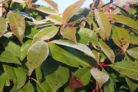
- Black spots on the foliage
- Leaves turning brown
- Dried-out, crispy leaves
- Flowers wilting way too early
- Stunted or shriveled branch tips
Dealing with Leaf Spot
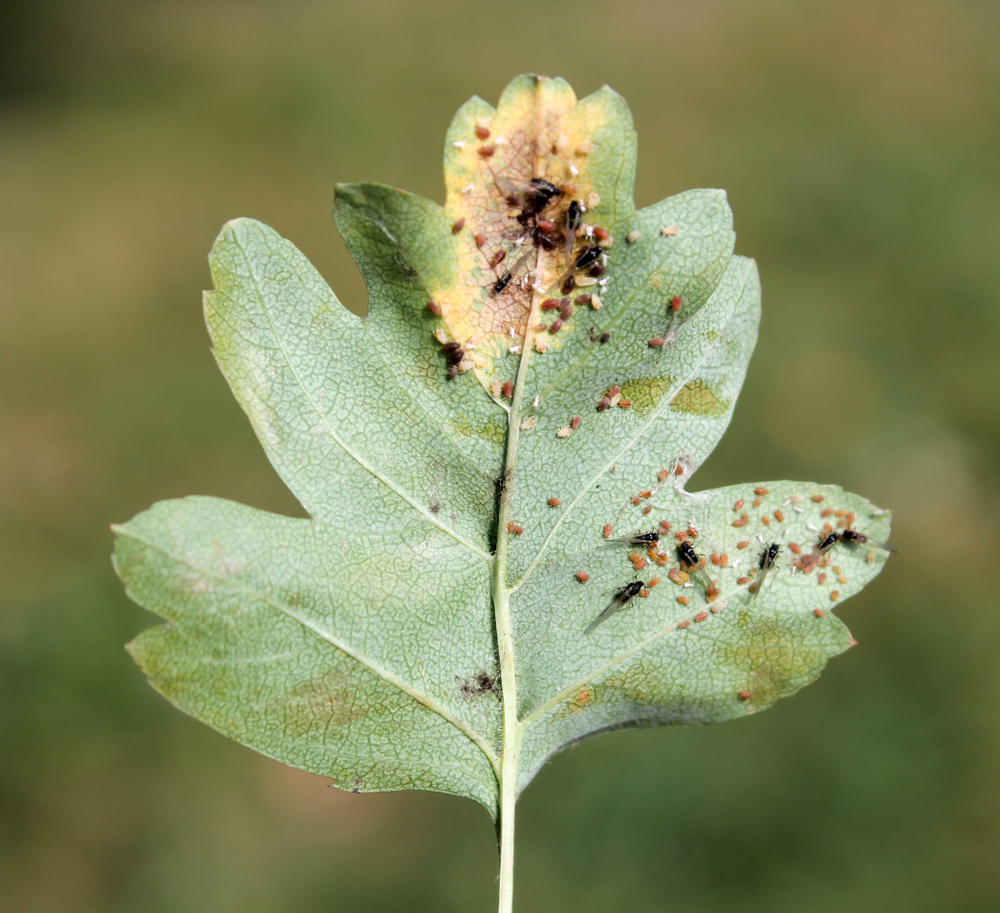
This one is caused by fungi, and you can usually spot it by the fuzzy fungal growth on the leaves or spore clusters hiding on the undersides. You’ll want to act fast so your shrub doesn’t suffer long-term damage. Snip off any infected leaves immediately and toss them in the trash (not the compost!) to stop the spores from spreading. If the infection has really taken hold, a fungicide might be necessary.
The Dangers of Fire Blight
The tell-tale sign of fire blight is shriveled, blackened branch tips that look like they’ve been scorched. If you see this, grab your shears and prune the affected areas back into the healthy wood right away. Again, dispose of the clippings in the trash or burn them. Unfortunately, if the infection has spread through most of the plant, it might be too late to save it.
Root Rot: The Silent Killer
The Japanese Rose likes its soil like a wrung-out sponge—consistently moist but never soggy. If your soil is heavy or compacted, water will pool around the roots, leading to dreaded root rot. Once the roots start rotting, the plant can’t take up nutrients and will die off pretty quickly. The best defense is a good offense: make sure your planting spot has great drainage. If you’re worried about your soil quality, try mixing in some coarse gravel or clay shards at the bottom of the planting hole to create a drainage layer.
Pest Problems
For the most part, bugs leave the Japanese Rose alone. The only exception? Slugs and snails. They tend to find the tender leaves of young plants absolutely delicious, so keep an eye on your saplings!
How to Prevent Trouble
The best way to protect your Japanese Rose is to keep it happy and healthy from the start. A resilient plant is a disease-resistant plant! It thrives in a sheltered spot with dappled shade and prefers slightly acidic, lime-free soil that stays moderately moist.
To keep it looking fresh, give it a light thinning out after it finishes blooming each year. This encourages new growth without the shock of a radical “hard” prune. You should also trim back those long root suckers to keep it in check. For a natural boost, try feeding it with some stinging nettle tea—it’s like a vitamin shot for your garden!