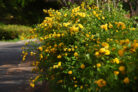
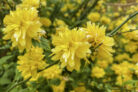
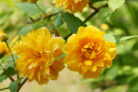
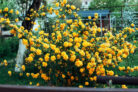
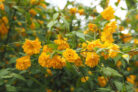
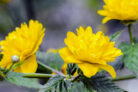
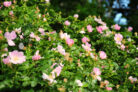
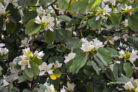
The Kerria japonica, a member of the rose family, is a total showstopper in the spring with its explosion of bright yellow blooms. Its long, arching stems get covered in small, often ruffled flowers that look just like tiny roses—which is exactly why many gardeners call it the “Japanese Rose” or “Golden Guinea.”
Planting Your Kerria Japonica
Getting one of these beauties in the ground is pretty straightforward, but there are a few key things to keep in mind: location, soil quality, and—most importantly—root control.
The Perfect Spot
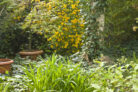
This shrub really thrives in dappled shade. It loves getting enough light to bloom, but harsh midday sun can actually bleach those gorgeous yellow petals. It’s also a good idea to pick a spot protected from the wind so those long, flower-heavy branches don’t snap during a spring breeze.
Soil Needs
Kerria isn’t too picky about soil, but it does have a few preferences to help it really shine. Along with good drainage, look for these conditions:
- Slightly acidic pH
- Low lime content (it’s best to water with rainwater if you can)
- Nutrient-rich
- A sandy, loamy texture
- Stays moist (doesn’t dry out too fast)
- Good drainage (avoid “wet feet” or standing water at all costs!)
Root Barriers
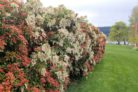
Here’s the thing: Kerria japonica loves to spread. It sends out vigorous suckers and can take over a large area before you know it. If you have a smaller garden, this can be a bit of a headache. I highly recommend installing a root barrier when you plant it. Since it’s a shallow-rooted shrub, lining the hole with heavy-duty pond liner about 20 inches deep usually does the trick. You can even use a large, bottomless plastic bucket as a built-in barrier.
How to Plant
The best time to get your shrub in the ground (or in a large container) is in the spring. Before planting, let the root ball soak in a bucket of water for a few hours. While it’s soaking, dig your hole. Make sure to give it some elbow room—about 3 feet away from other shrubs, or about 20 inches apart if you’re planting them as a hedge. Place the shrub in the center, fill it back up with soil, press down firmly to get rid of air pockets, and give it a good drink.
Care and Maintenance
One of the best things about the Japanese Rose is how low-maintenance it is. It doesn’t need much fertilizer; in fact, too much nitrogen will actually stop it from blooming! However, because its roots sit pretty close to the surface, it needs plenty of water during the hot summer months. Rainwater is the gold standard here since it’s lime-free. Pro tip: If you deadhead the faded flowers after the first big spring show, you’ll often be rewarded with a second, smaller bloom in the fall!