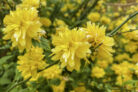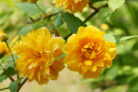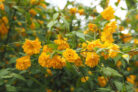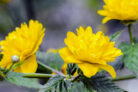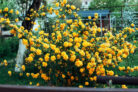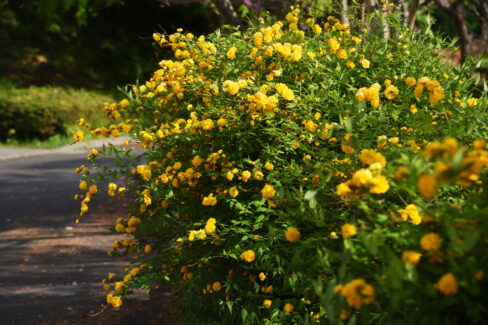
The Japanese Rose (Kerria japonica) is a tough-as-nails shrub that gardeners absolutely love for its bright, golden-yellow double blooms. While it’s not particularly picky about where it lives, meeting a few of its basic needs will turn this plant into a total showstopper in your yard.
Fun Facts About the Japanese Rose
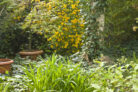
This shrub is one of the first stars of the spring garden, putting on a massive floral display. It typically grows about 5 feet wide and 6.5 feet tall, with an upright habit and long, elegant branches that arch gracefully toward the ground. The main show starts in April, but here’s a pro tip: if you prune it back right after the first flowers fade, you’ll often get a second (though slightly smaller) round of blooms in September.
One thing to keep in mind is that this shrub loves to spread. If you don’t keep an eye on it, you’ll have a full-blown hedge before you know it! Also, a quick heads-up for parents and pet owners: the seeds contain toxins and shouldn’t be eaten, as they can cause some pretty nasty symptoms.
Finding the Perfect Spot
When it comes to location, the Japanese Rose is pretty easygoing. It’s happy in full sun, partial shade, or even full shade. However, if it’s baking in the intense midday sun, those vibrant yellow petals might bleach out a bit. Ideally, you’ll want to plant it in a spot protected from the wind so those long, arching stems don’t snap during a storm.
Because it likes to stretch its legs, make sure to give it plenty of breathing room from its neighbors. If you’re working with a tight space, I highly recommend installing a root barrier (like a large bottomless bucket or heavy-duty pond liner) to keep its runners from taking over the whole garden.
The Right Soil
The Japanese Rose isn’t a diva when it comes to dirt, either. It prefers well-draining, fresh soil that hits these marks:
- A slightly acidic pH level
- Low to no lime (it’s best to water with rainwater if yours is hard)
- Rich in nutrients
- A sandy to loamy texture
- Consistently moist—not bone dry, but not a swamp
General Care
Maintenance for this shrub is a breeze. The biggest “don’t” is over-fertilizing; too much food can actually result in fewer flowers. Since it has shallow roots, just make sure to give it a drink during dry spells so it doesn’t get too thirsty.