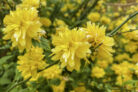
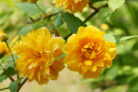
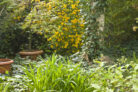
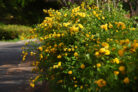
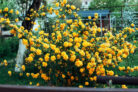
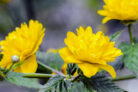
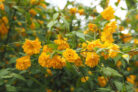
The Japanese Rose (Kerria japonica), a bright yellow harbinger of spring, puts on a stunning show between April and July. This shrub loves a partially shaded spot in the garden and, if you’ve got the room, plenty of space to stretch its branches. However, if your garden real estate is limited, you’ll definitely want to look into a root barrier.
Cultivating Your Japanese Rose
This attractive early bloomer is actually pretty low-maintenance. To keep it happy, pick a spot that’s sheltered from the wind and in partial shade. This ensures those long, flowering stems can grow freely without snapping during a spring storm. As for the soil, here’s what your Kerria is looking for:
- Nutrient-rich soil
- Good drainage
- Sandy to loamy texture (avoid compacted dirt)
- Low lime content and slightly acidic pH
- Consistently moist soil that doesn’t get waterlogged
There is one thing to keep in mind before you dig: if this shrub likes its home, it’s going to spread—fast—via underground runners. If you have a large property, let it go wild! Its shallow roots will quickly claim large areas, creating beautiful, lush thickets. But in a smaller backyard, this can get out of hand quickly. That’s where a root barrier comes in to save the day.
Installing a Root Barrier
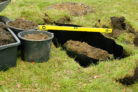
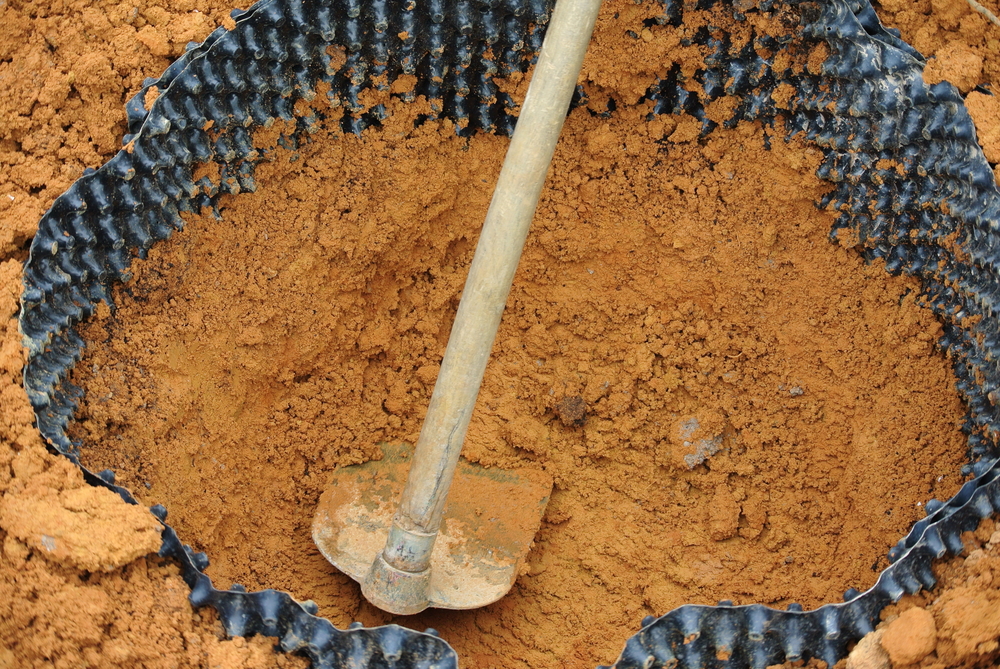
The best time to set up a barrier is before the shrub even hits the dirt. Once you’ve dug your planting hole, line it with your barrier of choice. You have a few solid options for materials:
- A large, heavy-duty plastic bucket
- A plastic mortar tub
- Dense, heavy-duty root mesh
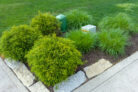
- Stones or pavers that roots can’t push through
The barrier should go about 20 to 28 inches (50–70 cm) deep and sit at least 2 inches above the soil line. Why the lip? Because the Japanese Rose has a habit of sending roots creeping right across the surface of the ground, too!
If you forgot the root barrier when you first planted, don’t worry—you can add one later if you decide to transplant it. Just make sure to prune or pull up any runners that have already started to wander.
Pro tip: If you’re using a bucket or tub as a barrier, make sure it has plenty of drainage holes so the roots don’t rot. I always recommend adding a layer of broken pottery or coarse gravel at the bottom for extra drainage insurance.