If your kiwi plant is putting on a show with those gorgeous, exotic white blossoms but leaving you hanging when it comes to actual fruit, don’t panic! It’s a common headache for gardeners, but there’s usually a logical reason behind it. Let’s dig into the most common culprits for a fruit-free kiwi season:
1. The Culprit: You’ve got a “He” instead of a “She”
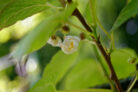
It sounds simple, but this is actually the #1 reason kiwis fail to produce. Most kiwi plants are dioecious, meaning they are either male or female. Unfortunately, it’s not rare for a male plant to be mislabeled as a female at the nursery. To solve the mystery, you’ll need to play detective and look closely at the flowers.
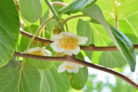
Female flowers have a very distinct, well-developed white “starburst” (the styles) right in the center. In male flowers, this center part is either totally missing or looks shriveled and tiny. If you find out you’ve got a male plant, don’t pull it out! Just get him a female partner to plant nearby. He’ll provide the pollen, and she’ll provide the fruit next season.
2. The Culprit: Watering Woes
If you’re sure you have a female or a self-pollinating variety and you’re still coming up empty-handed, take a look at your watering schedule. Kiwis are a bit like Goldilocks—they need it to be just right. If the soil gets bone-dry for too long, the plant goes into survival mode and ditches the fruit-making process to save energy.
You can tell if your kiwi is thirsty if the soil is cracked and dry, or if the plant starts dropping its blossoms prematurely. On the flip side, don’t drown them! Overwatering leads to waterlogged roots, which usually shows up as yellowing leaves. Keep the soil consistently moist but not soggy.
Other Possible Reasons
Age is a huge factor here, too. If your kiwi is a “toddler” (less than two years old), it’s simply not ready to be a parent yet. For most varieties, you’ll need to be patient—you usually won’t see a bumper crop until the vines are four or five years old.
In rarer cases, the local bees and pollinators might have just skipped your yard that week, meaning the flowers never got fertilized. Also, timing is everything! If your male and female plants aren’t blooming at the exact same time, pollination can’t happen. To avoid this “missed connection,” try to buy and plant your kiwi vines at the same time to ensure their internal clocks are synced up.