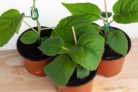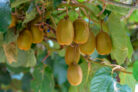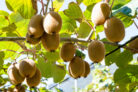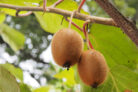
Kiwis are actually some of the most low-maintenance exotic fruits you can grow. Because they’re so hardy, these fuzzy little powerhouses usually handle being moved to a new spot pretty well. That said, there are a few golden rules you’ll want to follow to make sure your shrub thrives after the big move.
Transplanting Kiwis: Timing is Everything
As a general rule of thumb, gardeners know it’s best to move a plant right before it starts its spring growth spurt. Depending on your local climate, the sweet spot for transplanting kiwis is usually between late February and mid-April.
If your kiwi is an “old pro”—meaning it’s been in the ground for at least five years and is growing strong—you can technically move it at other times of the year. However, keep in mind that plants moved in early summer have a much better shot at surviving their first winter in a new spot compared to those moved later in the season.
How to Transplant Your Kiwi: A Step-by-Step Guide
To give your kiwi the best start at its new home, follow these simple steps:
- Kiwis have shallow roots that spread out wide, so try to dig up as much of the root ball as possible.
- Don’t be afraid to trim back any excessive or damaged roots with a sharp spade.
- Prep the new hole by mixing in some peat, compost, or rhododendron soil. This improves the soil quality and helps the plant settle in faster.
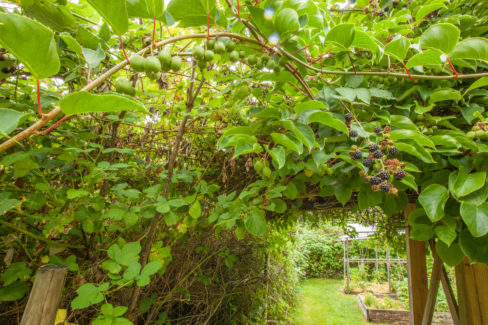
- Make sure to secure your shrub to a sturdy trellis or support right away so it has something to climb.
Pro Tip: Save yourself some hassle later by giving the plant a good pruning before you move it. Cutting it back helps balance out the root system with the foliage, making the transition much easier for your exotic beauty.
Post-Move Care Tips
Once your kiwi is in its new spot, it’s going to be thirsty! Keep it well-watered, but be careful not to overdo it—you want moist soil, not a swamp (standing water is a no-go). It’s also a great idea to add a nice layer of bark mulch around the base of the plant.
Mulching is a triple threat: it keeps the soil from drying out too fast, helps maintain the acidic pH level kiwis love, and protects those shallow roots from overheating on those scorching summer days.