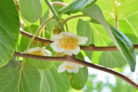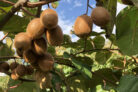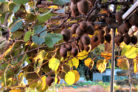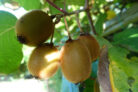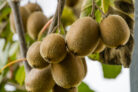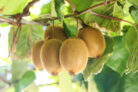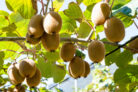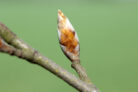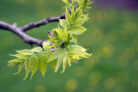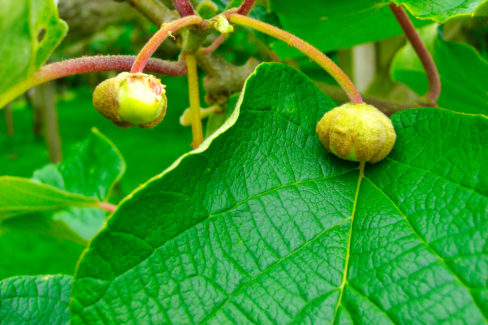
You’ll start seeing the first signs of kiwi flower buds anywhere from mid-April to early May. Once those soft, yellowish buds appear, the countdown to bloom begins! About four to six weeks later, your kiwi vine will be showing off its beautiful, full white blossoms.
Kiwi Buds: Types and Development
In the gardening world, we often call buds “eyes.” On a kiwi vine, these are split into two main categories: leaf buds and flower buds. Depending on where they sit on the vine, they’re also classified as either “lateral buds” (on the sides) or “terminal buds” (at the tips). Leaf buds handle the greenery and new side shoots, while flower buds are the stars of the show—they’re the ones that eventually open into stunning white flower clusters.
If you’re looking for fruit, you need to look at the “one-year-old wood.” These flower buds grow on the growth from the previous season, rather than the brand-new green shoots. Just a heads-up for new growers: most kiwi plants need about two years to settle in before they start producing their first buds.
Timing can vary a bit depending on the variety you’re growing. Early-season kiwis might show off their tiny buds by late April, while the late-bloomers usually wait until early May to get started.
Male vs. Female Kiwi Buds
Did you know you can often tell the boys from the girls? Male kiwi plants—like the “Actinidia kolomtika” variety, which sports cool pink or white leaf tips—are overachievers when it comes to budding. A male kiwi plant usually pumps out more than six flower buds per fruiting shoot. Female plants are a bit more conservative, typically producing only about half as many buds.
Since only the females produce the actual fruit (once they’ve been pollinated, of course), a pro-tip is to plant several female vines for every male to maximize your harvest!
Winter Pruning: Trimming Back Your Kiwi Buds
To help your kiwi focus its energy on producing high-quality fruiting shoots, you’ve got to stay on top of your pruning game. Once your vine hits its third year, it’s time for a “winter prune.” In late February or early March, just as spring is around the corner, trim back the side shoots, leaving only a few buds on each. This keeps the vine from getting too wild and ensures you get a heavy crop of flowers rather than just a few scattered fruits. Along with this winter maintenance, don’t forget to keep up with regular summer pruning as well.
Extra Tip: Hold off on heavy pruning until after the second year. You want to give the plant those first two seasons to establish a strong, well-branched foundation before you start cutting back!