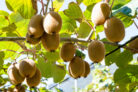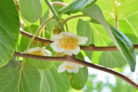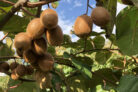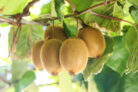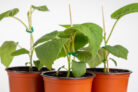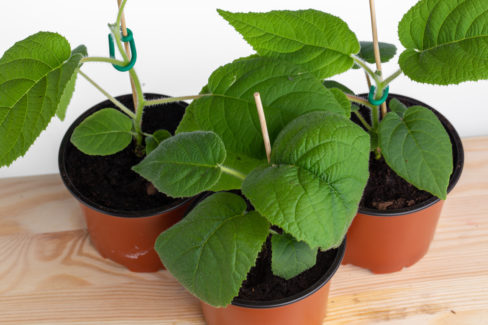
Whether you’re looking for hardy varieties or the classic fuzzy types, you can totally grow kiwi plants right at home in containers—even if you only have a balcony or a small patio. As long as you have a large enough pot and follow a few simple tips, you’ll be harvesting your own homegrown fruit in no time!
General Tips for Container-Grown Kiwis
For the most part, kiwis are tough, woody vines that are surprisingly easy to care for, even if they look exotic. They handle various weather conditions well, but there is one thing you need to keep in mind: these plants love to grow! Because they are so vigorous, regular pruning is a must to keep them from taking over your space.
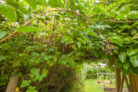
In the perfect spot, a kiwi vine can reach up to 30 feet tall. If you’re planning to grow one on a balcony, look for slower-growing or “dwarf” varieties and make sure the cultivar is hardy enough for your specific local climate.
Getting Started
To actually get a harvest, you usually need two to tango—specifically, a male and a female plant. You can plant them together in one extra-large container or give them their own separate pots placed right next to each other.
Pro tip: Even if you buy a “self-fertile” variety, you’ll usually get a much better crop if you have more than one plant nearby to help with pollination.
When it comes to soil, kiwis are a bit picky. They love high-quality potting mix with an acidic pH (ideally between 5.0 and 6.5). This helps the plant soak up all the nutrients it needs to thrive.
Care and Maintenance
Your kiwi will be happiest in a warm, sunny spot that’s protected from harsh winds. Since they are natural climbers, you’ll also need to provide a sturdy trellis or support system for them to grab onto. As for feeding, young plants don’t really need fertilizer before they start blooming. Once they’re established, you can give them a little boost with a fertilizer designed for exotic or acid-loving plants—just don’t overdo it!
Watering is actually more important than fertilizing. Kiwis are thirsty plants, especially during the heat of the summer. You’ll want to water them regularly, but make sure the pot has excellent drainage. “Wet feet” or standing water can quickly lead to root rot, which is bad news for your vine.
Extra Tip: To help the soil stay moist and maintain that acidic pH, try adding a thin layer of mulch to the top of the pot. It makes a huge difference!