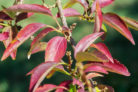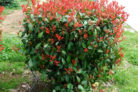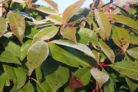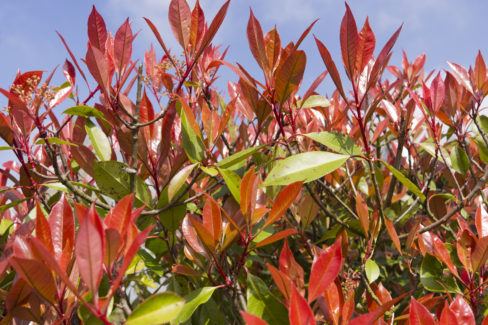
Generally speaking, the Photinia (or Red Tip Photinia, as many of us call it) isn’t known for being a total “drama queen” when it comes to diseases. However, it’s not completely bulletproof either. The one to really watch out for is Fire Blight, mostly because it can jump over to your prized fruit trees. That’s why I always recommend giving your shrubs a quick “once-over” regularly to catch any early warning signs.
What kind of diseases should I look out for?
Most of the issues you’ll run into with Photinia are relatively harmless and easy to manage if you catch them early. But don’t procrastinate! If you notice brown leaves, you’ll want to act fast so the problem doesn’t spread to your other garden favorites. This is especially true for bacterial and fungal infections, which love to hitchhike from plant to plant.
When the weather gets damp and muggy, fungal infections can pop up. You’ll recognize Powdery Mildew by that tell-tale white, flour-like coating on the leaves. Leaf Spot (Entomosporium) shows up as brown spots, while Apple Scab usually looks more like greenish discolorations. If you jump on it right away, your Photinia will usually bounce back in no time.
Common Photinia issues at a glance:
- Apple Scab
- Leaf Spot
- Fire Blight
- Powdery Mildew
- Sunburn
- Root Rot
How do I spot the dreaded Fire Blight?
Fire Blight usually starts showing its face on the leaves first. You’ll see brown or black spots, and shortly after, the leaves will wither from the stem all the way to the tip. The ends of the branches will start to look shriveled and blackened—almost like someone took a blowtorch to them. That’s where the name “Fire Blight” comes from! To have any hope of saving the plant, you’ll need to do some radical pruning. Also, keep in mind that in many areas, this is a reportable disease, so check with your local agricultural extension.
How do I treat a sick Photinia?
Your best bet is to prune away any infected leaves or branches immediately. This stops the pathogens in their tracks. To give your plant a little “immune boost” afterward, some gardeners swear by horsetail tea (a natural silica strengthener). Beyond that, just make sure you’re staying on top of a balanced watering and fertilizing routine.
If you’re dealing with Root Rot, the approach is similar, but you’ll be working underground. You’ll need to dig the plant up (or at least carefully expose the roots) and snip away any mushy, foul-smelling parts. After replanting, dial back the water for a while, but don’t let the soil turn into a desert either.
You might also want to think about transplanting your Photinia. If the current spot is constantly soggy, moving it to a better-draining area might be the only way to ensure it has a long, happy life.
How can I prevent these problems in the first place?
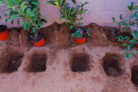
Prevention is the best medicine! You can avoid Sunburn, Root Rot, and frost damage just by picking the right spot in your yard. When planting your Photinia, look for a bright location with soil that stays fresh but drains well. Avoid spots with punishing midday sun or areas where water puddles after a rain. In the winter, a little extra mulch or a burlap wrap can help protect it from harsh freezes.
Pro Tip: The sooner you treat a problem, the faster your Photinia will get back to looking its best!