European Beeches (Rotbuchen) are generally tough-as-nails trees that rarely run into trouble with pests or diseases. But every once in a while, even these hardy giants can have a bad day. If you notice your beech looking a little under the weather, getting the right diagnosis is key to getting it back on track.
Common Beech Tree Pests and Diseases
Here are the usual suspects you might encounter with your European Beech:
- Powdery and Downy Mildew
- Leaf Spot Disease
- Beech Woolly Aphids
- Whiteflies
- Spider Mites
- Waterlogging (Soggy Feet)
Mildew
In the gardening world, we deal with two types: Powdery and Downy mildew. Think of Powdery mildew as the “fair-weather fungus” because it loves warm, dry spells. Downy mildew, on the other hand, is the “foul-weather fungus” that thrives when things get rainy. You can tackle both with store-bought fungicides or some handy DIY remedies. For Powdery mildew, try a mix of 1 part milk to 8 parts water. For Downy mildew, a homemade horsetail tea (Equisetum) works wonders to boost the tree’s defenses.
Leaf Spot Disease
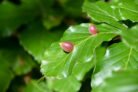
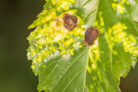
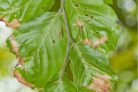
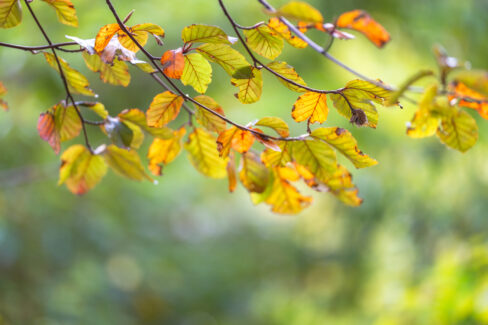
If you start seeing yellow, gray, brown, black, or even reddish spots on your beech leaves, you’re likely dealing with a fungal leaf spot. The most important thing here is cleanup—remove any affected leaves and toss them in the trash (not the compost!) to stop the spores from spreading. If the infection is heavy, a fungicide treatment might be necessary.
Dealing with Aphids, Whiteflies, and Mites
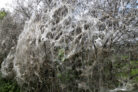
One of the most common visitors is the Beech Woolly Aphid. You’ll spot these guys on the undersides of leaves, usually leaving behind a sticky residue called honeydew. If you see fine white webbing, you’ve likely got spider mites. Whiteflies are also common and will hang out on both the tops and bottoms of the leaves.
For a minor infestation, a simple spray made from stinging nettle or horsetail tea can do the trick. If the bugs are taking over, you might need a standard insecticide. However, I’m a big fan of letting nature do the work! You can attract “good bugs” like ladybugs, lacewings, and hoverflies by hanging an insect hotel nearby. They’ll happily snack on those pests for you.
Waterlogging (Soggy Feet)
European Beeches love their water, but there’s a fine line. If the leaves start turning brown prematurely, your watering routine might be off. If the soil is bone dry, give it a good soak and consider adding a watering rim (a small soil berm) around the base to keep the moisture where it belongs.
On the flip side, if the soil is constantly swampy, you’ve got a problem—beeches absolutely hate “soggy feet.” If you’re dealing with heavy soil, try to improve the drainage. Pro tip: Always check your soil’s permeability before planting. If your yard tends to hold water, definitely install a drainage layer of coarse gravel at the bottom of the planting hole to keep those roots happy and dry.