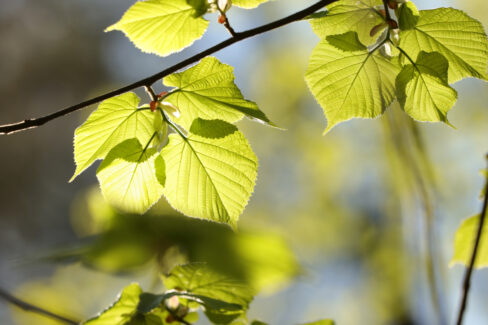
Linden trees are famously tough, hardy giants that don’t get sick very often. However, even these sturdy beauties can run into trouble with pests and the occasional fungal infection.
Fungi and Pests
Fungal issues usually pop up when you’re pruning with tools that aren’t exactly “squeaky clean.” To keep your tree healthy, you should always disinfect or at least thoroughly clean your knives and shears before making any cuts. This is especially critical if you’re working on a Linden bonsai, where precision and health are key. Aside from fungi, there are a few specific pests you should keep an eye out for—most of which, helpfully enough, have “Linden” right in their name:
- Linden Buprestid (Jewel Beetle)
- Linden Spider Mite
- Linden Sawfly
Linden Buprestid (Jewel Beetle)
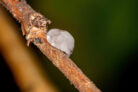
The Linden Buprestid usually targets older trees or those that are already feeling a bit under the weather. The first red flag is usually wilting leaves. As the infestation gets worse, you might notice the bark swelling or sap oozing out. If these beetles take over a large portion of the tree, it’s often game over for the Linden. That’s why it’s so important to act fast: prune away any infested branches immediately and treat the tree with a suitable insecticide.
Linden Spider Mite
If Linden spider mites move in, your tree’s leaves will start turning brown and dropping prematurely. You can spot these little guys by the silvery-gray coating they leave on the leaves, along with fine, delicate webbing. If you look closely, you can actually see their yellow bodies and tiny red eyes without a magnifying glass! To prevent an outbreak, try applying a sticky glue ring around the trunk in the spring. If they’ve already set up camp, a great natural fix is releasing predatory mites to do the dirty work for you.
Linden Sawfly
The Linden sawfly is another culprit that causes leaves to turn brown and fall off. Here’s the deal: the sawfly lays its eggs on the underside of the leaves, and once the larvae hatch, they start snacking. If you’d rather skip the heavy chemicals, you can fight back naturally by introducing lacewings or ladybugs to the infested tree—they consider sawfly larvae a five-star meal!