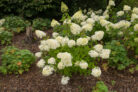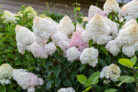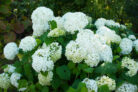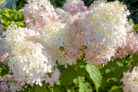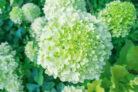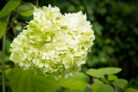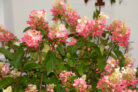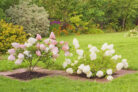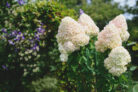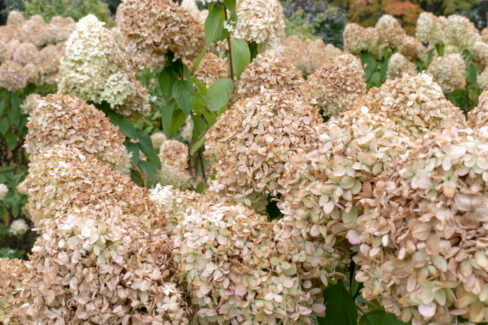
Peegee hydrangeas (or Panicle hydrangeas, if you want to be fancy!) are absolute showstoppers in any garden. One of my favorite things about them is how they keep the garden looking great even in the dead of winter—those dried flower heads look stunning when they’re covered in a light dusting of frost or snow. Unlike their more sensitive cousins, the Bigleaf hydrangeas, Panicle hydrangeas are actually pretty tough cookies when it comes to the cold.
Keeping Your Panicle Hydrangeas Cozy
These hydrangeas are generally very winter-hardy and can handle deep freezes, ice, and snow without breaking a sweat. However, you don’t want the branches to freeze all the way back to the ground, as that makes it much harder for the plant to bounce back in the spring. If you live in a particularly harsh climate, it’s a good idea to give your garden-planted hydrangeas a little extra love. A simple covering of evergreen boughs (like fir or spruce) works wonders, and a nice thick layer of mulch around the base will keep the roots nice and snug.
Keep an eye out for those sneaky late-spring frosts! If your hydrangea has already started budding in early spring and a frost hits in May, those tender new shoots and flower buds could get zapped. If the forecast calls for a freezing night, just wrap your plant up temporarily. A frost fleece or garden cover is perfect for these short-term cold snaps.
Also, if you just planted or moved your hydrangea this past fall, it’s going to need some extra protection. Since the root system isn’t fully established yet, definitely cover it with some evergreen branches to help it get through its first winter in its new home.
Caring for Young Plants and Containers
Young Panicle hydrangeas are a bit more sensitive to the cold than the “grown-ups.” For the first year or two, it’s actually best not to leave them out in the elements all winter. I recommend digging them up and letting them overwinter in a pot. A frost-free greenhouse or a bright garage kept around 40-45°F (5°C) is the perfect winter retreat for these youngsters.
If you have older hydrangeas growing in large containers, you’ll want to prep them before the first big freeze. Here’s my go-to checklist for winterizing potted hydrangeas:
- Move the pot against a sheltered house wall to block the wind.
- Place the pot on a wooden board or a piece of Styrofoam to insulate it from the cold ground.
- Wrap the container in bubble wrap or coconut fiber mats.
- Cover the plant itself with a frost fleece bag or wrap it loosely in garden fabric.
- Layer some evergreen branches or dry leaves over the soil to protect the roots.
Don’t forget to give them a little sip of water on days when the ground isn’t frozen! You can hold off on fertilizing until the new growing season starts in the spring. If you have smaller potted hydrangeas, it’s safest to keep them in a bright, frost-free room until the weather warms up.