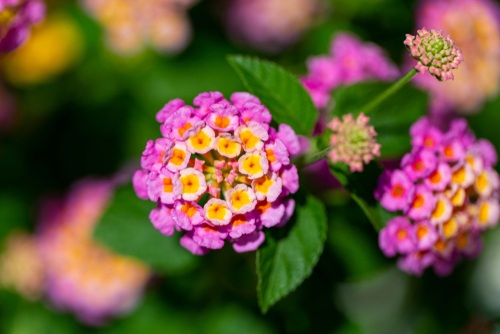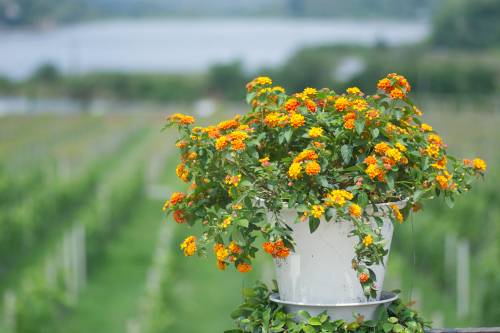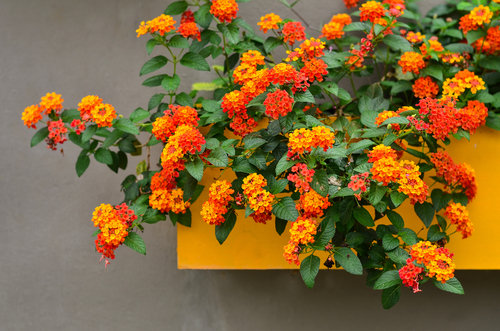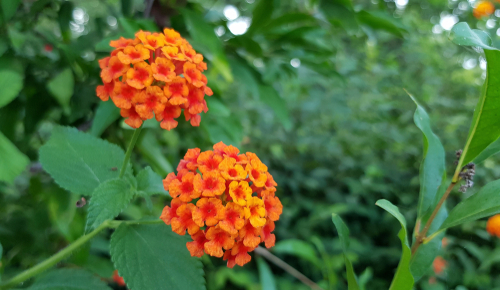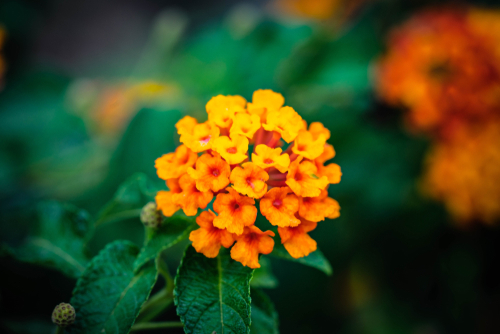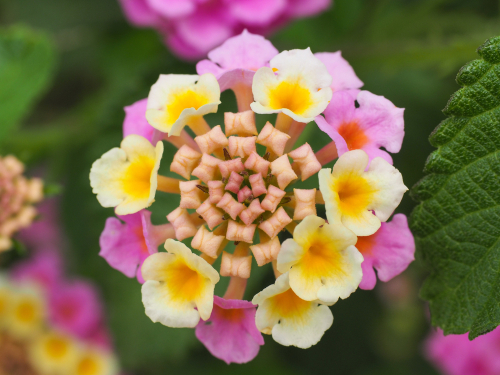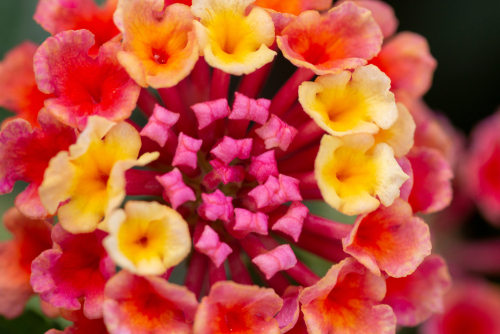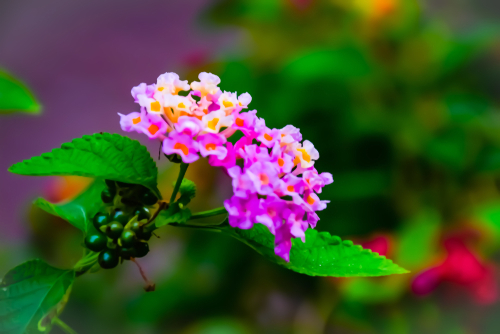
Lantana (scientifically known as *Lantana camara*) is a stunning genus belonging to the Verbenaceae family—or what we garden enthusiasts usually call the Verbena family. There are about 111 known species of Lantana, all originally hailing from the sunny regions of Central America. Today, they’ve become a staple in gardens all over the world thanks to their vibrant, color-shifting blooms.
A Versatile Plant Family
The Verbena family holds a pretty special spot in the order of mint-like plants (*Lamiales*). Besides our beloved Lantana, many of the other 75 genera in this family are classic ornamental favorites. Most of them call the tropical parts of South Africa, Central America, and South America home. Believe it or not, even the mighty Teak tree is a distant relative! Other popular cousins in the Verbena family include:
- Lemon Verbena
- Mexican Lippia (Sweet Herb)
- Queen’s Wreath (Sandpaper Vine)
Growth Habit
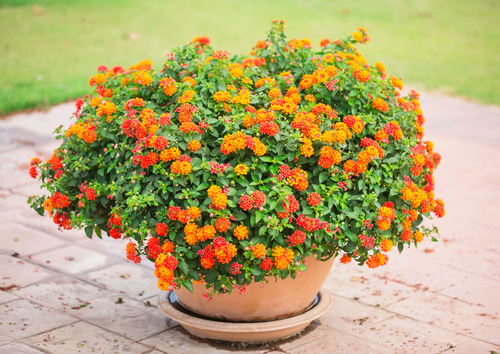
In their natural habitat, Lantanas usually grow as hardy shrubs, typically reaching about three feet in height. Over time, some species have even evolved into climbing plants. You’ll also occasionally see Lantana grown as a “standard” (which looks like a miniature tree). However, that tree-like shape isn’t natural—it’s usually the result of some clever pruning of the main stem by a patient gardener.
Flowers and Bloom Time
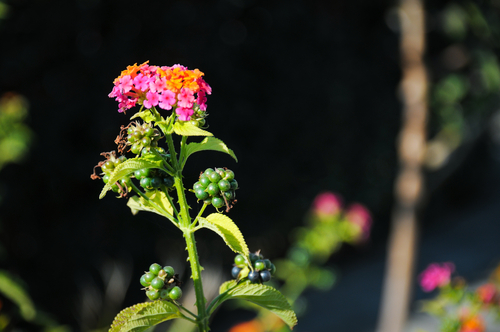
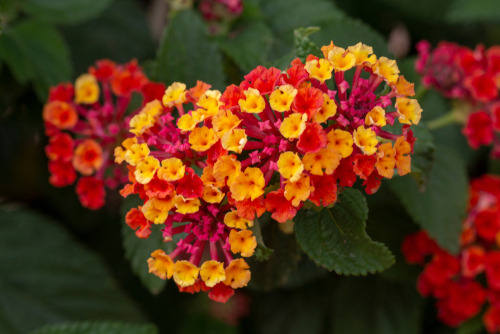
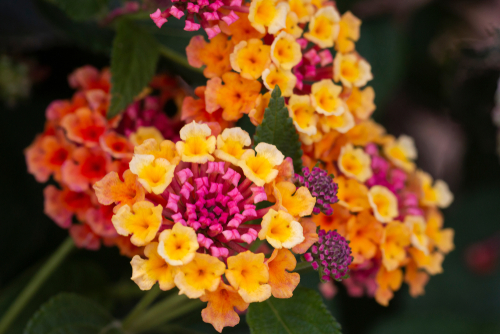
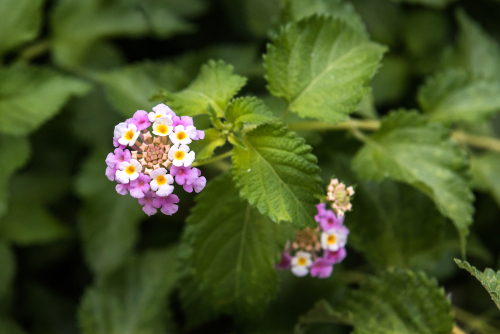
The reason Lantana is such a superstar in the ornamental world is its “magic” flowers. These little clusters actually change color as they age, sometimes shifting through several different hues! Since Lantana blooms from early June all the way through October, new flowers are constantly popping up. This means that at the height of the season, a single shrub will be covered in blossoms of different ages and colors all at once, creating a gorgeous, multicolored kaleidoscope effect.
A Note on Toxicity
As much as we love them, it’s important to remember that Lantana is actually toxic in all its parts. This is especially true for the common *Lantana camara*. The highest concentration of toxins is found in the berries, which unfortunately look a lot like blueberries or dark currants. If you have little ones running around the yard, you’ll want to keep a close eye on them. If ingested, some of the symptoms can include:
- Nausea
- Vomiting
- Bloody diarrhea
- Involuntary muscle twitching
- Shortness of breath
- Skin rashes