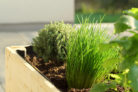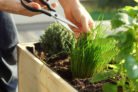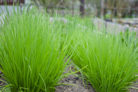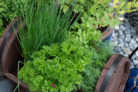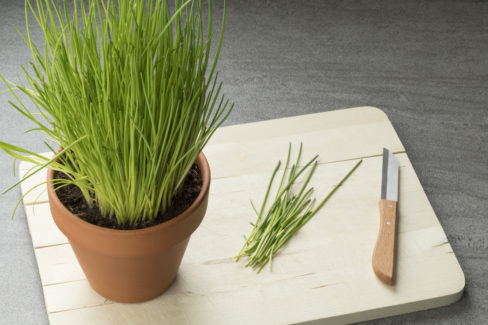
Chives are one of those “set it and forget it” herbs that can thrive in a pot for years—as long as they’re happy in their spot and getting a little TLC. If you’re looking to keep a pot of these savory greens going strong on your patio, here’s everything you need to know.
Finding the Perfect Spot for Potted Chives
When it comes to where they live, potted chives have the same basic needs as their cousins planted in the ground. To keep them flourishing, look for a location that offers:
- Full sun to partial shade
- Moist, humus-rich soil
- Well-draining, loose potting mix
- A container with plenty of room to grow
Chives are pretty adaptable; they can handle a bit less sun or even some shade without much fuss. However, they are total divas about drying out. If the soil gets too dry, you’ll start seeing yellowing blades, and the plant can wither quickly—a common risk with container gardening. On the flip side, they hate “wet feet,” so soggy soil can lead to root rot. One more tip: chives really prefer the fresh air outside and don’t usually do well as long-term houseplants.
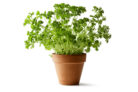
Pro Tip: Most chives you buy at the grocery store or nursery come in tiny plastic pots that are way too small. As soon as you get yours home, move it into a larger pot with plenty of drainage holes so the roots have room to breathe.
How to Care for Your Potted Chives
The great thing about chives is that they are perennials, meaning they’ll come back year after year if you treat them right. Here’s your quick maintenance checklist:
- Master the watering routine
- Give them a monthly fertilizer boost
- Do a major pruning once a year
- Repot regularly
- Provide some winter protection
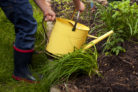
Because chives are thirsty plants, you’ll need to keep a close eye on the soil moisture, especially during those scorching summer months. Since they are “heavy feeders” (meaning they use up nutrients fast), give them some liquid vegetable or herb fertilizer every four weeks during the growing season. I recommend repotting them every year—or at the very least, every two years—to give them fresh, nutrient-dense soil.
When autumn rolls around, cut your chives back to about an inch above the soil line. They are tough enough to stay outside all winter, but they’ll appreciate a little help. Cover the pot with mulch, leaves, or brush, and wrap the container in some garden fleece or burlap to protect the roots from the deep freeze.