Magnolias are showstoppers in any garden, and the good news is that there are several ways to grow new ones. Just like many of our favorite garden staples, you can use a technique called “layering” to start a brand-new plant from your existing one. Here’s the lowdown on how to create a successful magnolia offshoot and give it the best start in life.
How to Get a Magnolia Layering Started
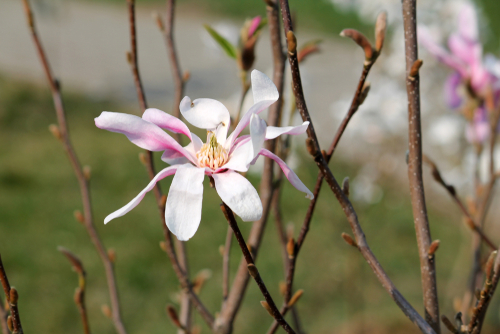
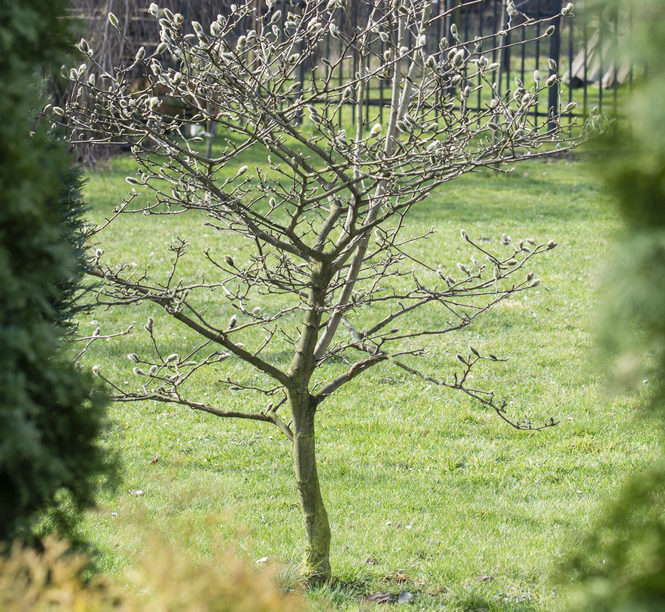
Even though we often call them magnolia trees, botanically speaking, most are actually shrubs. Unless you have a grafted variety or have specifically trained yours into a single-trunk tree, you’ll notice it naturally grows like a bush with plenty of low-reaching branches. This growth habit makes them perfect for layering!
Here’s what you’ll need:
- A garden hook or landscape staple
- A watering can
- Some fresh soil
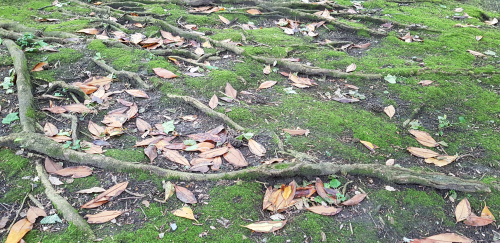
In August, pick out a long, flexible branch. Gently bend it down to the ground and secure it with your hook so that the very tip of the branch still pokes out of the soil. Right where you’ve pinned the branch to the earth, heap a little extra soil over it. Now comes the hard part: waiting! Over time, the buried section will start to grow its own roots. By next spring, you can snip the rooted section away from the mother plant and move it to its new home.
Caring for Your New Magnolia So It Thrives
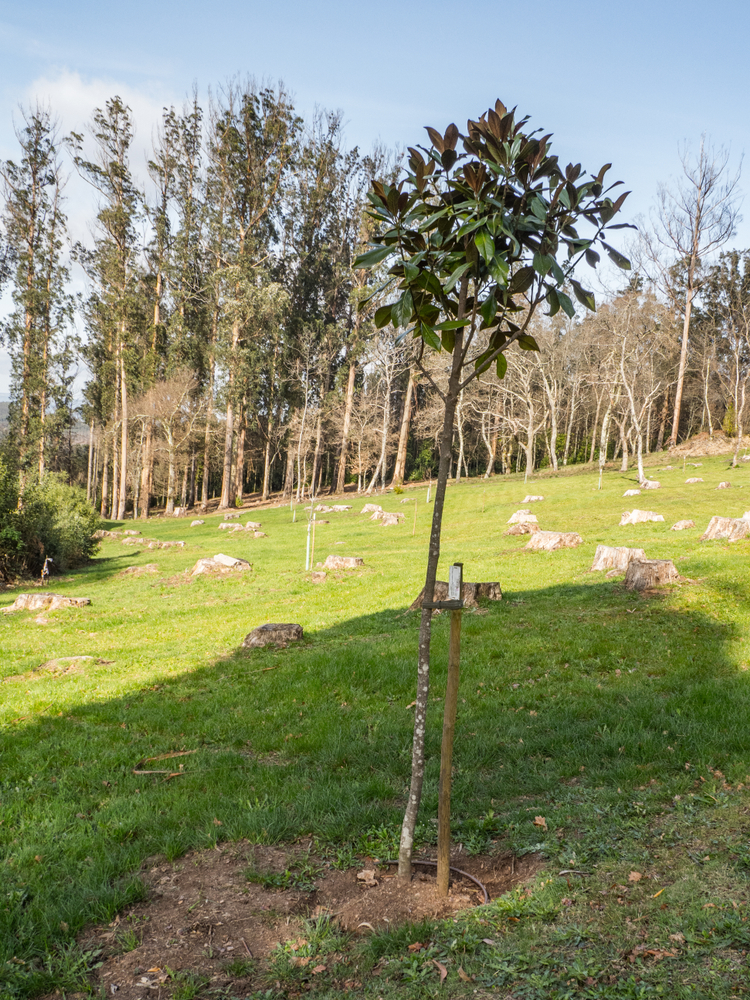
Once you’re ready to transplant, picking the right spot for your magnolia is key. You want a place with plenty of sunlight and nutrient-rich soil. Magnolias are a bit picky about pH—they love slightly acidic soil (somewhere between 5.5 and 6.8). If your soil isn’t quite there, you can mix in some peat moss or top it with bark mulch to help adjust the conditions.
Watering is the next big thing. Your new little plant will need plenty of hydration right after the move to help it get established. However, keep an eye on the drainage—magnolias hate “wet feet” (standing water). To prevent root rot, make sure the soil drains well. A pro tip: add a drainage layer of gravel or sand at the bottom of the planting hole to help excess water move away from the roots.