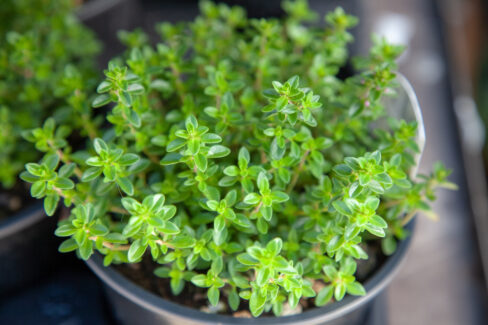
If you’re looking to expand your herb garden, taking cuttings or “slips” from your thyme is the way to go. Not only is it a great way to get more plants for free, but it also helps keep your original thyme plant looking youthful and prevents it from getting too woody or sparse in the center. There are a few different ways to propagate your thyme, and I’m going to walk you through the best methods.
What are the best ways to propagate thyme?
Whether you’re growing a classic variety or a creeping, foot-traffic-friendly thyme, you’ve got options when it comes to propagation. Using “offshoots” or cuttings from an existing plant is a fan favorite because it’s so reliable. Just make sure you start with a healthy, vigorous mother plant. Here are the three best ways to do it:
- Stem Cuttings
- Layering
- Division
Growing Thyme from Stem Cuttings
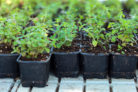
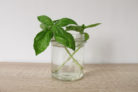
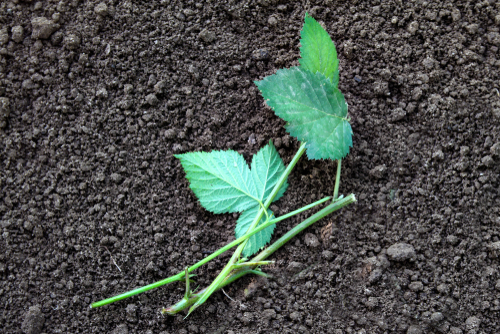
Cuttings are simply young, green side shoots. For the best results, pick stems that haven’t developed buds yet and snip them before the blooming season starts. You’ll want a piece that’s at least 4 inches long. Strip the lower leaves and plant it directly into some fresh potting soil or a seed-starting mix. Keep the soil lightly moist and place the pot in a bright spot, but out of direct, scorching sunlight. In about 6 to 8 weeks, your cutting should have a solid root system and be ready to get moved to its permanent home.
The Layering Method
Layering is probably the easiest “set it and forget it” method, though it does take a bit of patience—usually 3 to 4 months before the new plant is ready to be on its own. I recommend starting this by June at the latest so the new roots are strong enough to be separated before winter hits.
With layering, you’re essentially “lowering” a stem to the ground while it’s still attached to the mother plant. Over time, it will grow its own roots wherever it touches the soil. Just dig a tiny trench, pin the middle of a long stem into the dirt (leaving the leafy tip poking out), and cover the middle section with soil. You can use a small stone or a landscape staple to keep it in place. Once it’s rooted, just snip it away from the main plant!
Dividing Your Thyme
Dividing is the perfect solution for older, established thyme plants that are starting to look a bit “leggy.” It’s a great way to rejuvenate the herb and save some cash on new plants. In the spring, carefully dig up the entire plant and pull (or cut) the root ball into several sections. Make sure each piece has a good amount of roots and green growth, then just replant them wherever you want some extra fragrance.