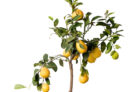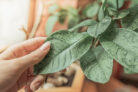
Whether lemon tree diseases (bot. *Citrus x limon*) are a common headache or a rare occurrence is up for debate. In my experience, most issues actually stem from the environment we provide for them. Often, by the time we notice something is wrong, the poor tree has been struggling for a while.
Causes
The reasons your lemon tree might be looking a little under the weather are varied, but most problems boil down to two main culprits:
- Care mistakes
- Fungal infections
Care Mistakes
The most common “diseases” caused by simple slip-ups in your routine are chlorosis and sunburn.
Chlorosis (Yellowing Leaves)
Chlorosis happens when your lemon tree isn’t getting the nutrients it needs. This nutritional deficiency can pop up if:
- You aren’t fertilizing your citrus plant enough (or at all).
- You’re over-fertilizing (too much salt in the soil actually blocks nutrient uptake).
- The plant isn’t getting enough water (drought stress also stops the roots from absorbing nutrients).
**What to look for
The classic sign is yellowing leaves, but the pattern tells you exactly what’s missing:
- Iron deficiency: The leaf turns yellow, but the veins stay bright green (usually starts on younger leaves).
- Nitrogen deficiency: The leaves turn a pale or yellowish-green (usually starts on older leaves).
If you don’t fix the underlying issue, the leaf tissue will eventually die off completely.
**How to fix it
The good news? Chlorosis usually clears up once you get back on a consistent care schedule tailored to what your lemon tree actually needs.
Sunburn
Yes, even sun-loving citrus can get a sunburn! This usually happens when a tree is moved directly from its cozy winter spot indoors straight onto a sunny balcony or patio without a “hardening off” period.
**What to look for
- Pale patches on the leaves
- Small brown, scar-like spots
- Yellowing blotches
- Light brown discoloration across the foliage
**How to fix it
- Move your lemon tree to the shade immediately.
- Make sure it’s getting plenty of water.
- Gradually reintroduce it to the sun over several days, moving it a little closer to the light each day.
Fungal Infections
Root Rot
Root rot is the result of “wet feet”—usually from overwatering or a pot that doesn’t drain well after a rainstorm. Fungi and bacteria thrive in soggy soil and cause the roots to decay.
**What to look for
- Above ground: The plant looks thirsty and green leaves start to shrivel up.
- Below ground: The roots will look brown, mushy, and smell like rot.
**How to fix it
- Immediately repot your lemon tree into fresh, dry citrus soil.
- Trim away any mushy or rotted roots before replanting.
Just a heads-up: if the root damage is too extensive, the tree might be past the point of no return.
Powdery Mildew
**What to look for
- Early stages: A white, flour-like coating on (mostly young) leaves that you can partially wipe off with your finger.
- Later stages: The coating turns a dirty brown and the leaves start to drop.
**How to fix it
- Mix a solution of raw or whole milk and water (a 1:8 ratio works best).
- Spray the tree thoroughly several times a week.
- Prune off any heavily infected branches to stop the spread.