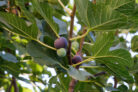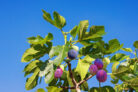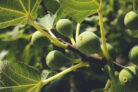
The better you treat your fig tree—meaning the right care and the perfect sunny spot—the less likely it is to deal with pests or diseases. That said, there are a few specific issues that tend to target figs. The good news? If you catch them early, you can usually save your tree from any serious damage.
Fig Mosaic Virus
The Fig Mosaic Virus mostly shows up on young leaves. Now, don’t panic—the virus itself isn’t usually fatal for the tree, but it does cause some funky-looking leaf deformities and discolorations. If it spreads enough, you might notice the leaves turning yellow and eventually dropping off. It’s definitely worth managing, though, because you don’t want your tree wasting all its energy trying to grow mangled leaves.
The main trigger for Fig Mosaic Virus is stress, specifically from soggy weather or overwatering. Believe it or not, almost all fig trees carry this virus, but it only “wakes up” when things get too damp. To prevent a breakout, make sure your potted figs have excellent drainage. When watering, try to keep it consistent but light—don’t drown them!
Fig Rust
Rust is a super common fungal issue and, honestly, it can be a bit of a pain to get rid of. If you see those tell-tale reddish-brown spots starting to spread across a leaf, you need to act fast. Snip off the infected leaves and toss them in the trash (not the compost!) to stop the spores from spreading. If left alone, the leaves will turn brown and fall off.
Rust is tough to beat. Besides pruning away the bad leaves, you might need to use an organic fungicide if the infestation is really taking over. The best defense is a good offense: try to keep your fig tree sheltered from heavy rain. Just keep in mind that during really humid, rainy years, even a rain shield might not be enough to keep the rust away entirely.
Sunburn
If you’ve just bought a new fig tree and suddenly see white or beige bleached spots on the leaves, your plant probably has a sunburn. This usually happens because nursery-grown trees spend their early lives in greenhouses and aren’t used to direct UV rays yet. They haven’t built up their “tan” (protective pigments) to handle the intense sun.
Before you go ahead and plant your fig in its permanent home, you need to “harden it off.” Give it a few days in a spot with partial shade. After about three days, start giving it a few hours of direct sun at a time. Once it’s acclimated, it’ll be ready to soak up the rays without getting scorched.