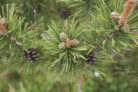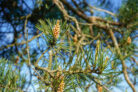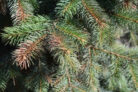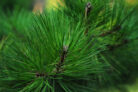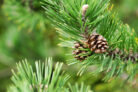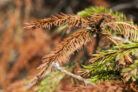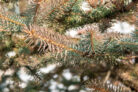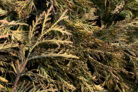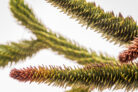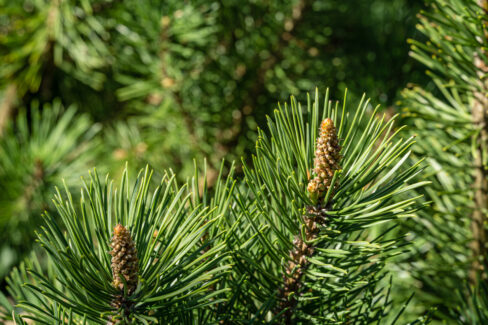
The pine tree is a classic evergreen, which means it’s supposed to stay, well, green! Unlike deciduous trees that put on a show in the fall, seeing your pine needles turn brown is usually a sign that something is up. If your tree is looking a little crispy, don’t panic—here’s a look at what might be going on.
Is it just natural needle shedding?
There are a few different reasons for discoloration. It could be a natural part of the tree’s life cycle, a pine tree pest problem, or even a lack of nutrients—often caused by being planted in the wrong spot.
First, check to see if it’s just “seasonal needle drop.” Even evergreen trees eventually swap out their old needles for new ones every few years. Usually, you won’t even notice it, but after a particularly dry summer, this process can be much more obvious. You’ll see the inner needles turn yellow and drop off quite suddenly.
Do you have a pest problem?
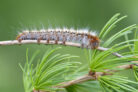
Pests are another common culprit. One of the main offenders for pines is the Pine Looper moth. These moths lay their eggs on the tree, and once the larvae hatch, they start snacking on the needles. This feeding damage is what causes that unsightly browning.
If you spot these critters, you can try these natural remedies:
- Neem oil
- Canola oil-based sprays
Wrong location or poor nutrition?
Sometimes pine needles turn brown simply because the tree can’t get the water or nutrients it needs. This happens for a few reasons. For one, pines don’t love moving; if you transplant an older tree, it often browns because the roots struggle to adapt to the new home.
Soil consistency is also a big deal. If the ground is too compacted, the tree can either dry out or suffer from “wet feet” (standing water). When water can’t drain away, the pine’s roots can rot, which will eventually kill the tree. You can avoid this by picking the right spot from the start, loosening the soil before planting, and adding a drainage layer if your soil is heavy.