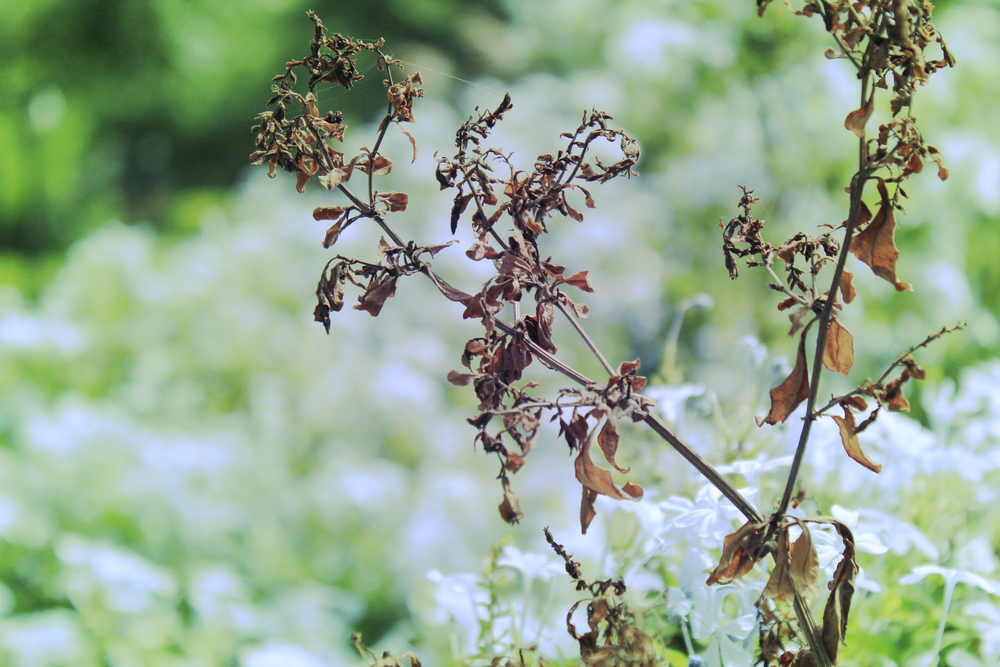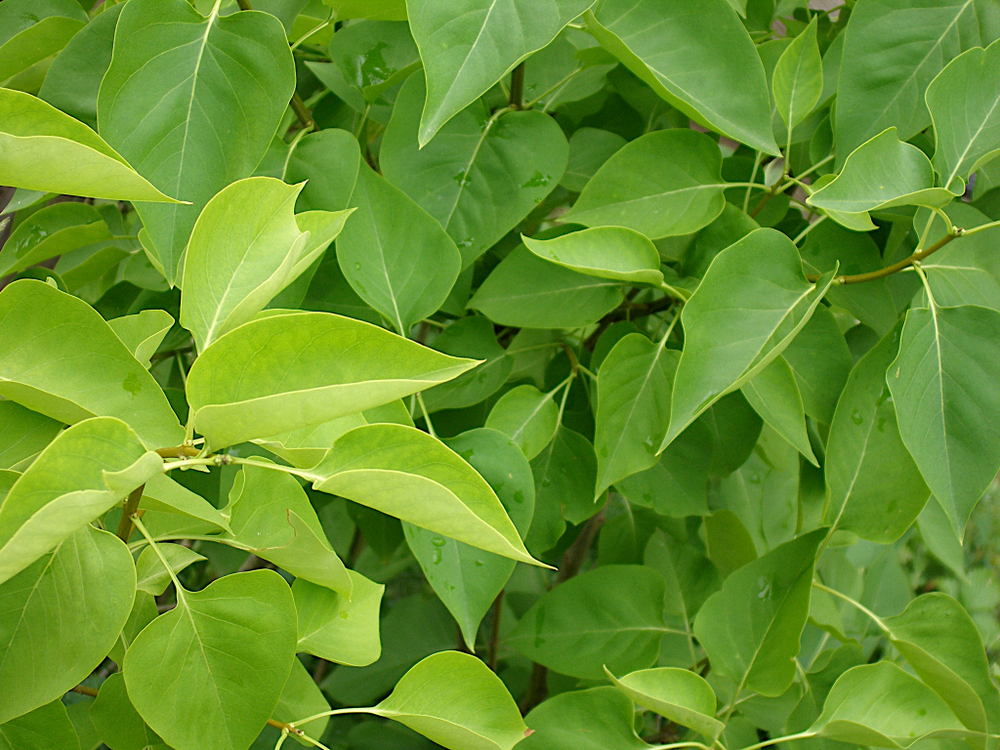
If your lilac is looking a little wilted and sad, don’t panic! Usually, there’s a simple reason behind those drooping leaves that you can fix pretty quickly. In this post, we’re going to dive into why your lilac might be losing its pep and, more importantly, how to get it looking perky again.
Common Care Mistakes That Lead to Drooping Leaves
While lilacs aren’t exactly water-hogs, they aren’t fans of long droughts either. If they go too long without a drink, they’ll definitely start to sag. If that’s the case, a deep, thorough watering usually does the trick. But be careful—you don’t want to go overboard! Overwatering and “wet feet” (standing water) can also cause leaves to droop. Plus, soil that stays constantly soggy becomes too heavy and compacted, which lilacs absolutely hate.
One serious issue to watch out for is root rot, a dangerous disease that often starts with wilting leaves. If you suspect rot, you’ll need to prune your lilac back hard—all the way to the healthy wood—and you might even need to move it to a different spot in your yard. Unfortunately, if the rot is too far gone, you might have to remove the plant entirely. Location matters, too! Lilacs thrive in loose, sandy soil. If your ground is heavy clay or super compacted, you’ll want to amend it to help your plant breathe.
The Post-Transplant Slump
Did you just finish replanting or potting your lilac? If it looks a bit floppy for a few days afterward, don’t sweat it. This is usually just “transplant shock.” Your lilac is basically adjusting to its new neighborhood, and it takes a minute to settle in. It’s also possible a few roots got nicked during the move, which makes a little wilting totally normal.
To make the transition easier, make sure your planting hole is plenty wide. Pick a warm, dry day for the move, and try to keep as much of the original soil around the roots as possible. Once it’s in the ground, give it a good, long soak immediately. This helps settle the soil and minimizes the chances of your lilac looking “sad” in its new home.