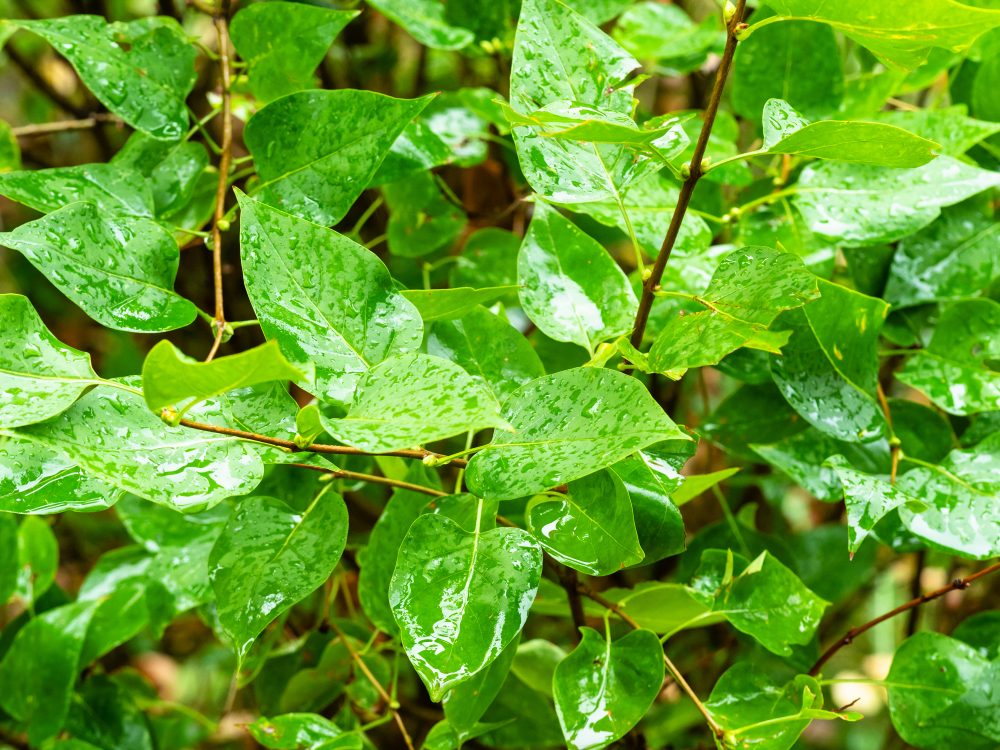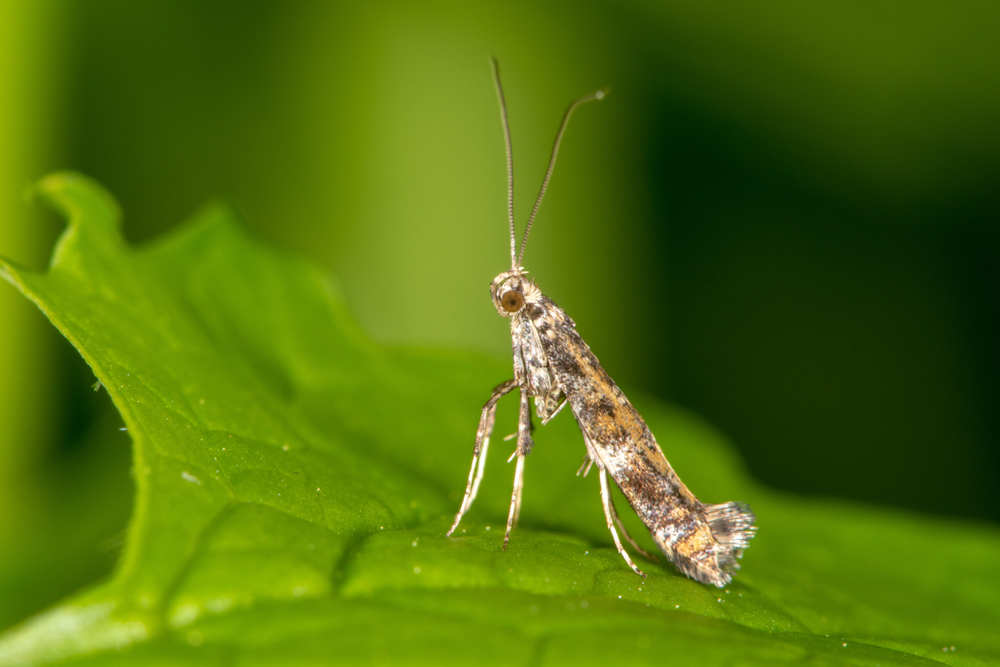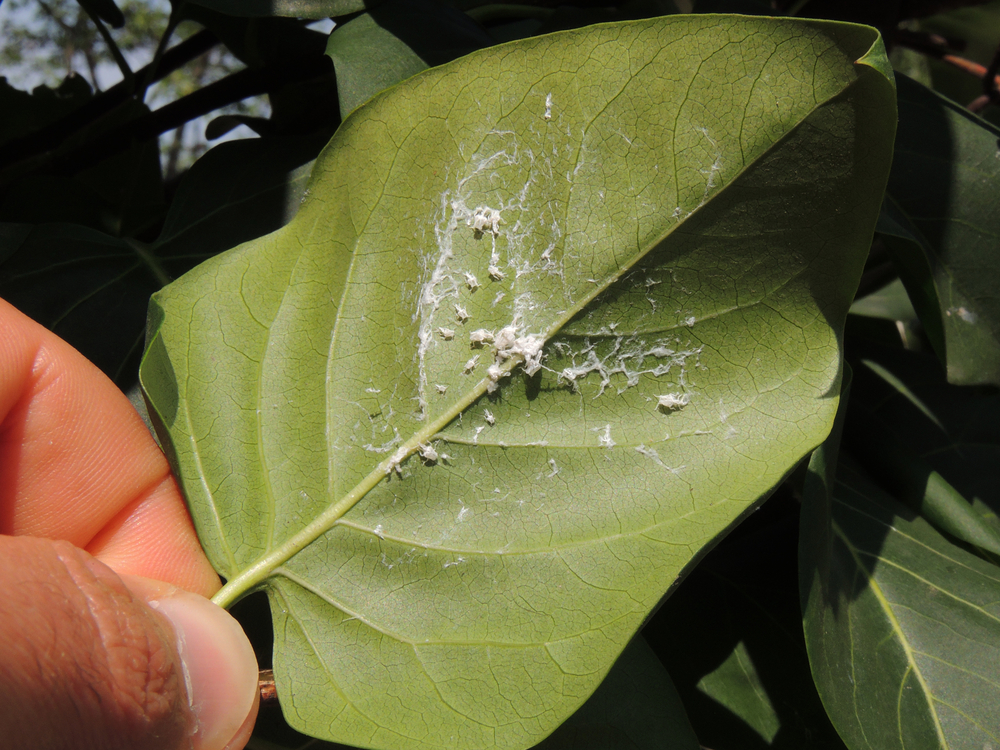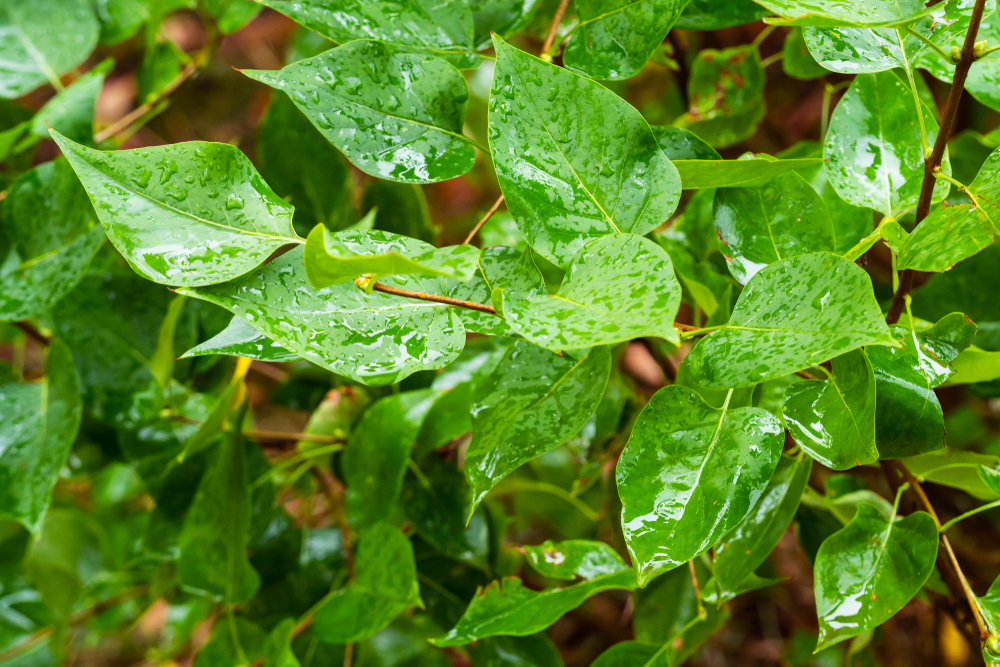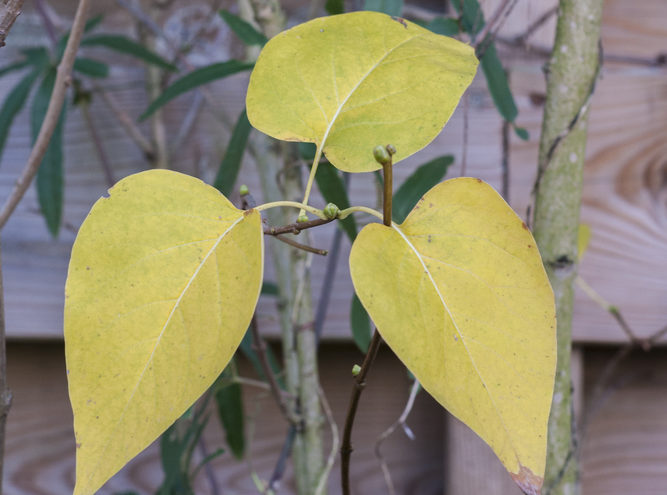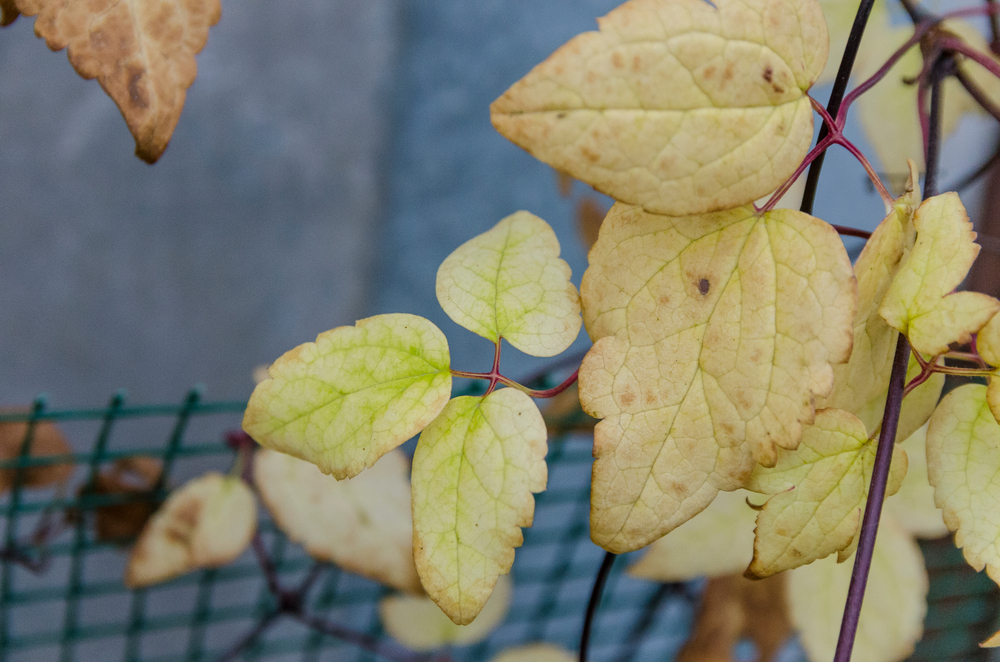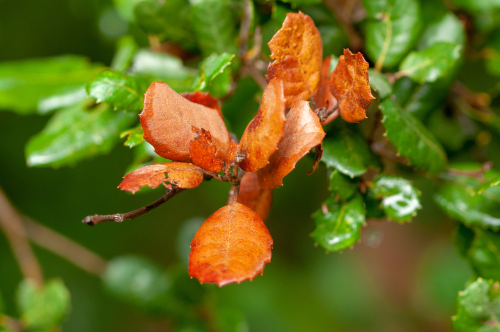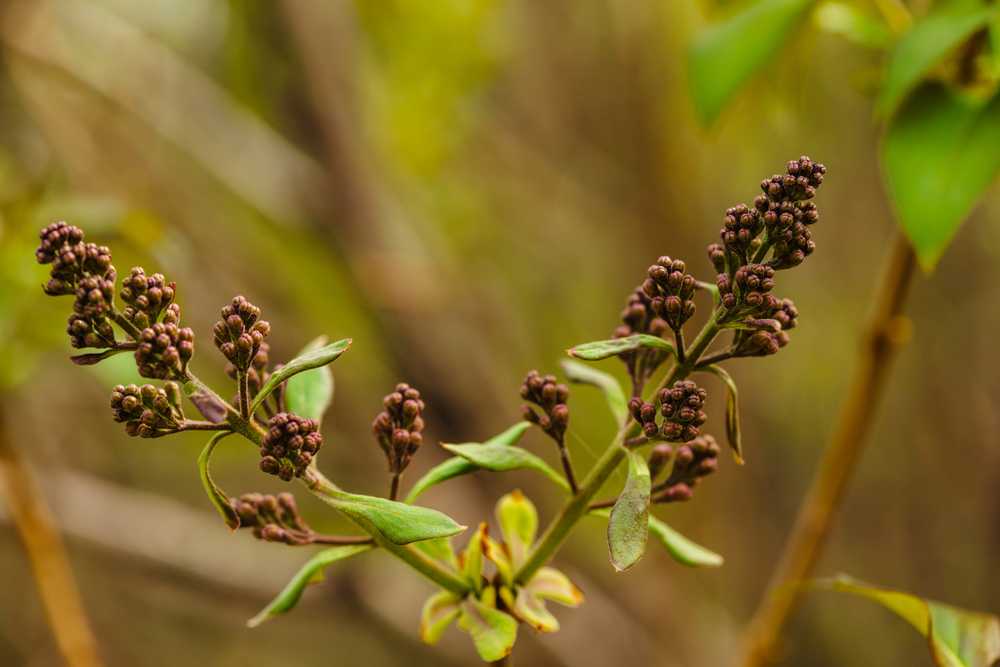
If you’ve noticed your lilac bush is sporting yellow leaves and looking a bit thin in the flower department—or worse, not blooming at all—don’t panic just yet. Usually, this isn’t a sign of a terminal disease; more often than not, it’s just a sign that your lilac isn’t loving its current spot or its care routine.
Location Woes and Nutrient Gaps
Lilacs are absolute sun worshippers. To really thrive, they need a spot with full, direct sun. If your lilac is stuck in the shade, it’ll often protest by turning yellow and skimping on those gorgeous, fragrant blooms. If that’s the case, your best bet is to transplant the shrub to a sunnier home.
Soil quality matters, too. If the ground is too compacted or lacking in nutrients, those leaves will start to lose their green luster. Lilacs prefer soil that is loose, well-draining, and not too acidic. You can give your soil a boost by mixing in some compost, potting soil, or organic fertilizers like horn shavings.
The Danger of Overwatering
One thing lilacs absolutely hate is “wet feet.” They are very sensitive to standing water. Interestingly, once a lilac is at least three years old, it’s actually quite drought-tolerant and can handle dry spells just fine by sourcing water through its deep root system.
You should water your lilac sparingly. To prevent waterlogging, it’s a great idea to set up some drainage (like a layer of gravel) before you even put it in the ground. Now, if your location and watering habits are perfect but the plant still looks sickly with yellowing leaves, you might be dealing with “lilac blight,” a bacterial or fungal infection that requires a bit more intervention.