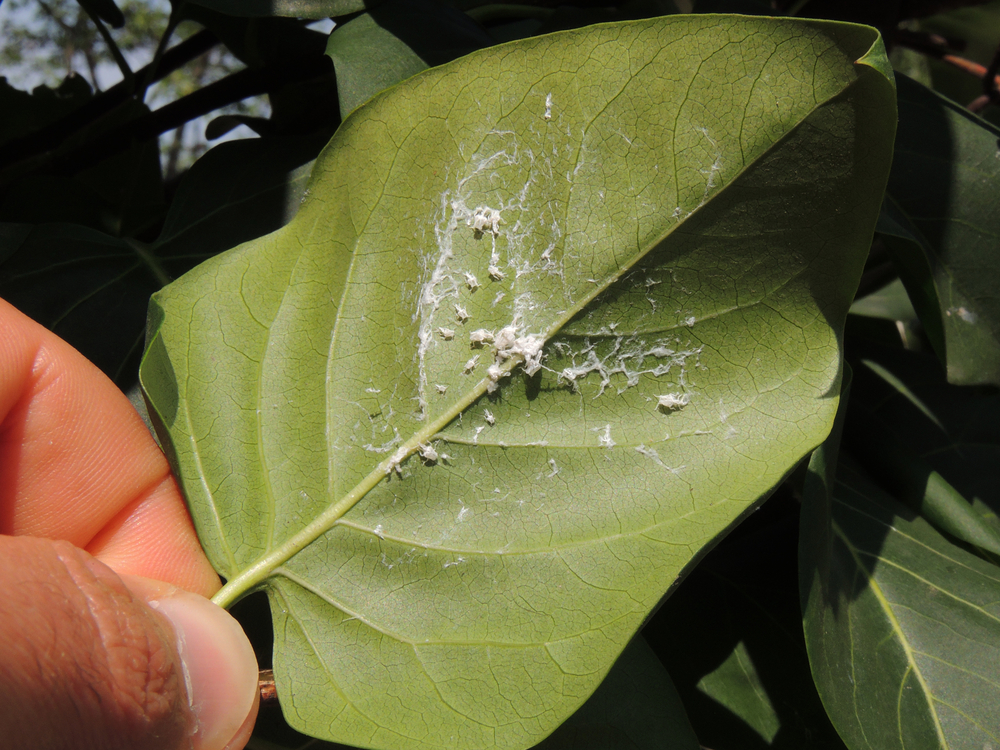
Generally speaking, lilacs are known for being incredibly tough and resilient. They don’t usually run into much trouble with diseases or pests. However, they aren’t totally invincible! If your lilac is looking a little under the weather, here’s a guide to the most common issues you might run into.
Brown Leaves
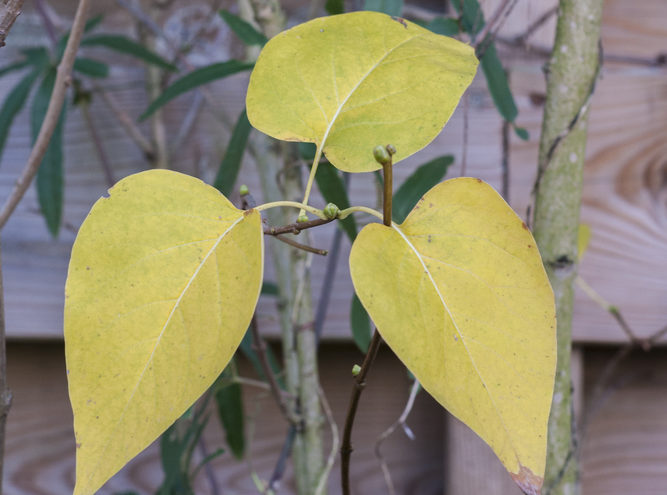
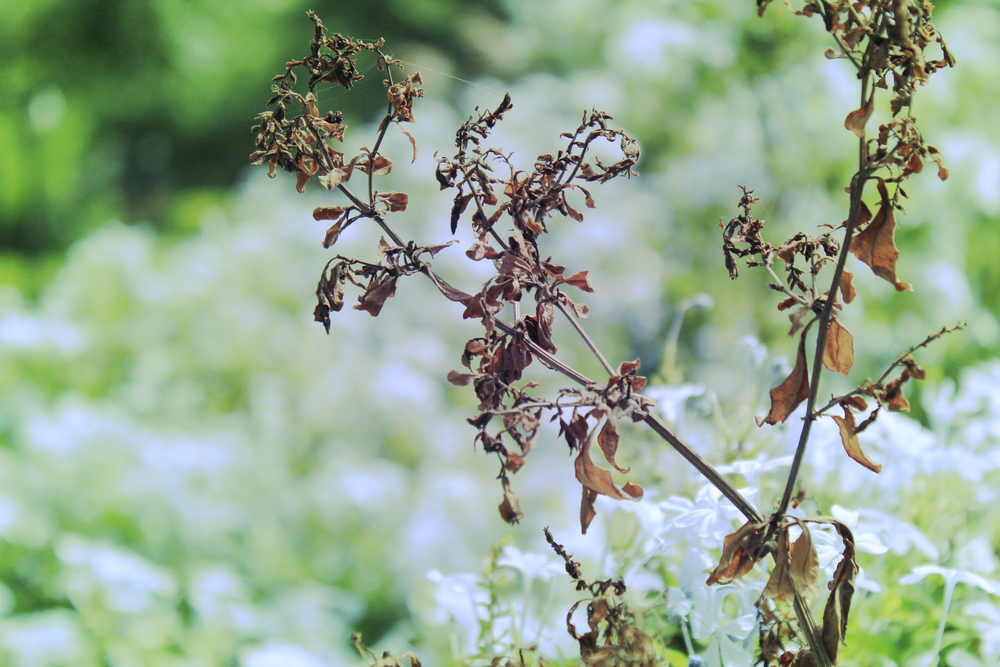
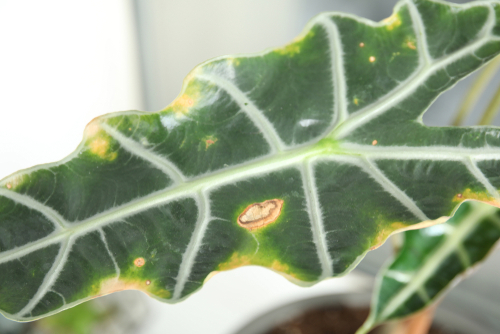
If you spot brown spots on your lilac leaves, take it as a warning sign. Usually, your lilac is either reacting to poor growing conditions (like the wrong spot or bad maintenance) or it’s dealing with a fungal infection. Here are the usual fungal suspects:
- Ascochyta syringa (Leaf spot)
- Chondrostereum purpureum (Silver leaf)
- Gloeosporium syringae (Lilac blight)
- Heterosporium syringae (Leaf mold)
- Phyllosticta syringae (Fungal leaf spot)
- Septoria syringae (Septoria leaf spot)
You can spot Leaf spot by light gray patches with brown borders. Eventually, new shoots will wither away, and older branches might look like they’ve been split open. If you see this, you’ll need to prune those infected shoots back until you hit healthy wood. Silver leaf is easy to identify because the leaves take on a silvery-gray, dull metallic sheen. You might also see purple fungal growths on the wood itself. The only real fix here is a heavy pruning.
Lilac blight shows up as large, brown blotches on the leaves. Your best bet is to cut back the diseased material and thin out the bush to improve airflow. Leaf mold is characterized by circular brown-to-gray spots, often with a velvety coating on the surface. Again, prune back to healthy wood and thin out the branches. Other fungal issues like Phyllosticta or Septoria follow similar patterns. The golden rule? Always toss infected clippings in the trash (not the compost!) and disinfect your pruning shears with alcohol afterward.
Lilac Blight (Pseudomonas syringae) and Mildew (Microsphaera syringae)
Lilac blight (also known as bacterial blight) is a bacterial infection. You’ll notice light to dark brown spots on the leaves, withered blackish-brown shoots, and bark that looks like it has brown stripes. Eventually, the leaves and shoots will either rot or dry up completely. This bacterium makes the lilac much more sensitive to cold, so you’ll often see frost damage as a side effect.
The best defense is a good offense: strengthen your lilac for winter. That means never pruning right before the first frost and wrapping the plant in burlap or garden fleece if necessary. If the infection has already set in, pruning is your only option. Cut back damaged shoots to healthy wood and sanitize your tools. Unfortunately, there aren’t really any effective sprays available for this one.
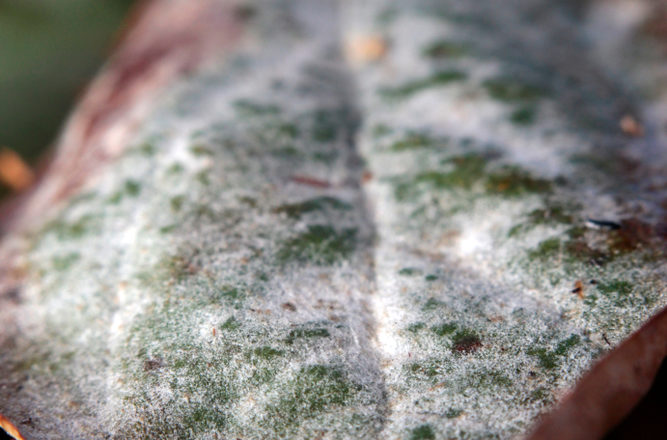
If you notice a white, powdery coating on the leaves, you’re dealing with powdery mildew. Simply remove the affected shoots and give your lilac a boost with a lecithin-based spray. Usually, that’s all it takes! If the infestation is really out of control, head to your local garden center to chat about a professional-grade fungicide.