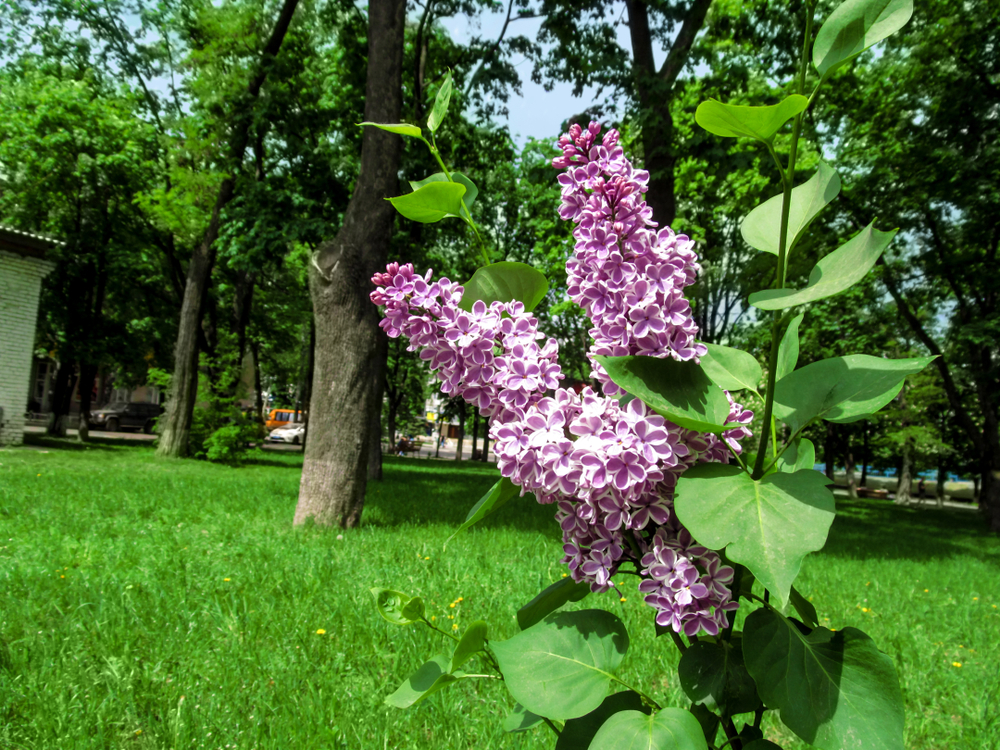
Lilacs (Syringa) are known for being pretty fast growers, often adding over a foot of new growth every single year. If your lilac has hit a standstill or is barely crawling along, that’s definitely a red flag. You’ll want to play detective and find out what’s bothering your shrub as soon as possible.
Bad Spots and Sickness: Why Your Lilac is Stalling
Usually, stunted growth doesn’t happen in a vacuum. You’ll likely notice other signs that your plant isn’t happy, like fewer flowers or a “leggy” look where the foliage isn’t very dense. This is a clear cry for help! More often than not, the issue comes down to where you planted it. Check your location for these essentials:
- Plenty of sun (we’re talking at least six hours a day),
- Good air circulation,
- Dry, sandy, and loose soil.
If your lilac is stuck in the dark, it won’t just skip its blooming season—it’ll also grow at a snail’s pace. Heavy, compacted soil is another big no-no; it prevents those vigorous roots from spreading out and soaking up the nutrients the plant needs. If the soil is the problem, your best bet is to move the lilac to a spot that better suits its personality.
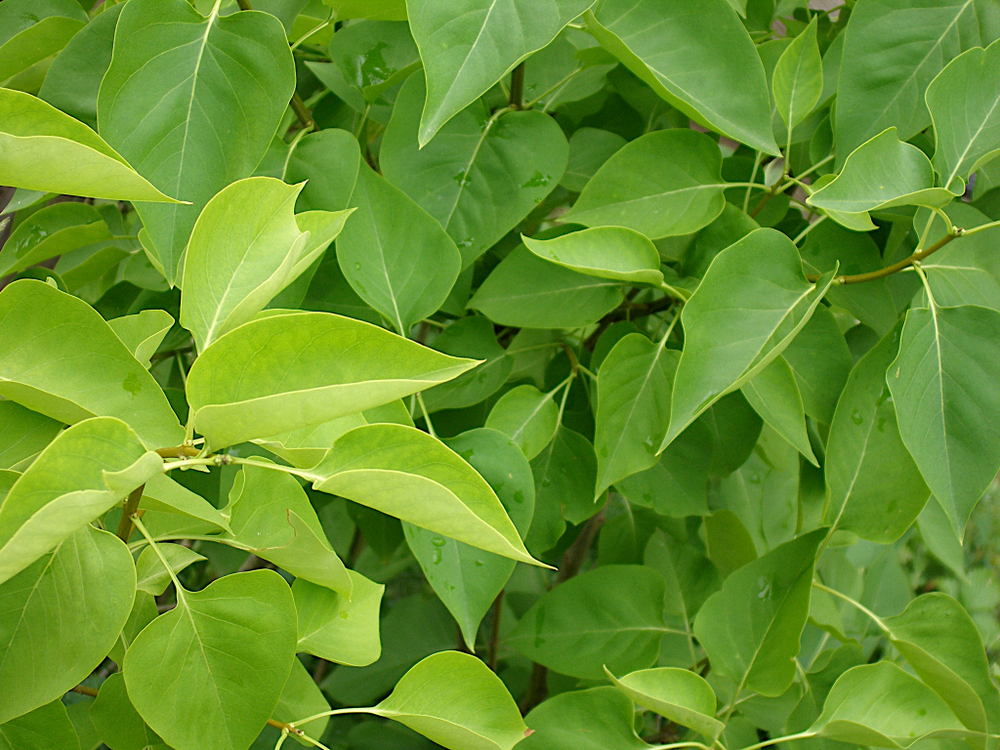
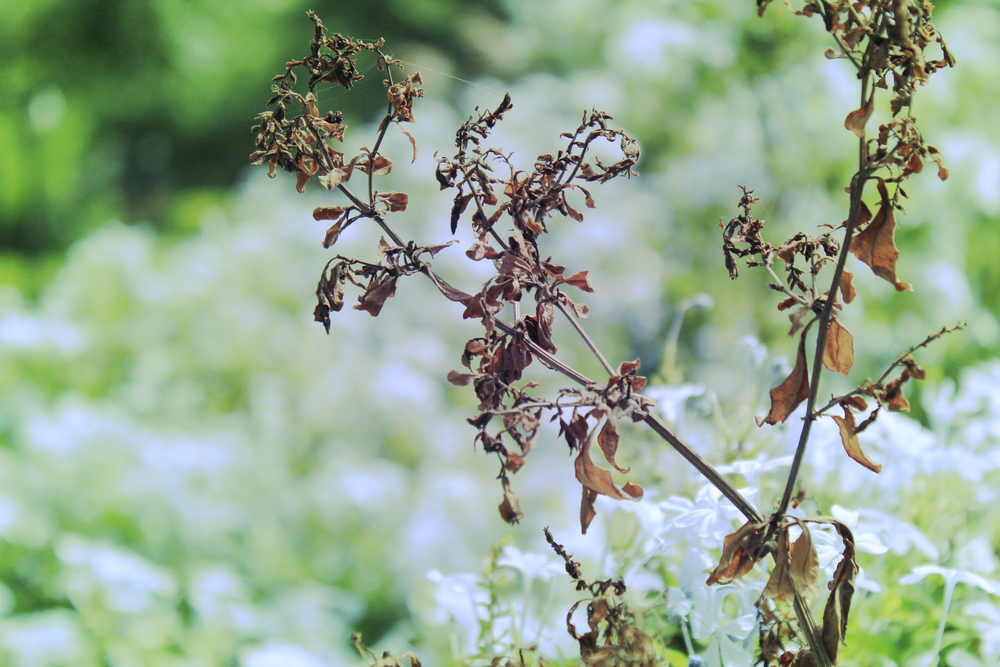
It’s also possible your shrub is fighting off a disease. Take a close look at the foliage. Are you seeing brown leaves or weird yellow and brown spots? These are usually signs of a fungal infection. You’ll want to treat it with a good fungicide and give the plant a heavy pruning to clear out the sick parts.
Crowding and Hunger Pains
Sometimes, the neighbors are the problem. If you have other aggressive plants nearby, their roots might be hogging all the space, or they might be casting too much shade. When a lilac feels crowded, it just stops trying. You’ll need to transplant either the lilac or the competing plants to give everyone some breathing room. Once your lilac has its own space again, it should start reaching for the sky.
Finally, let’s talk food. Nutrient deficiencies often go hand-in-hand with poor soil conditions. Make sure your dirt is loose and well-draining so the roots can actually “eat.” If your soil is looking a little tired, try mixing in some compost or horn meal to give it a natural nutrient boost.