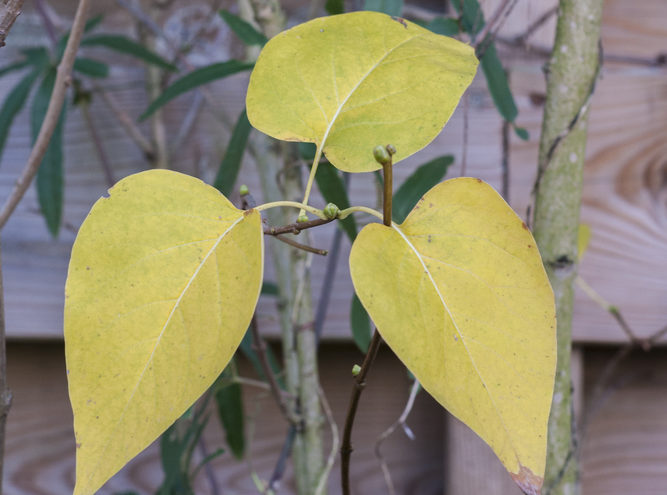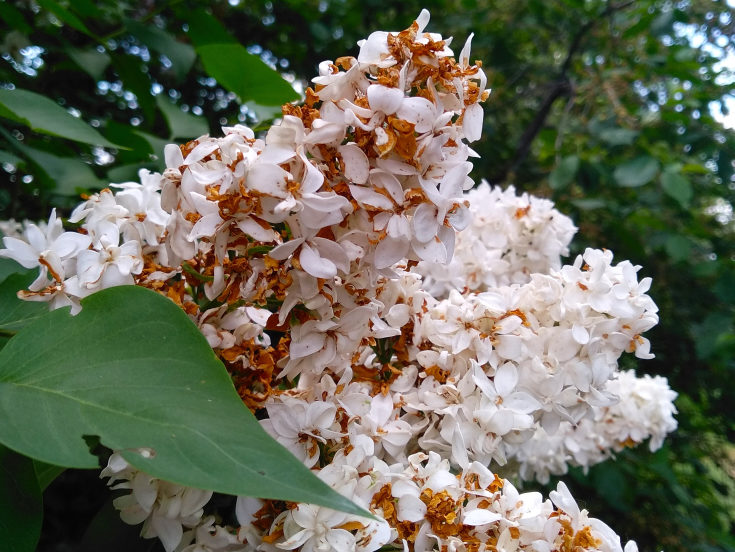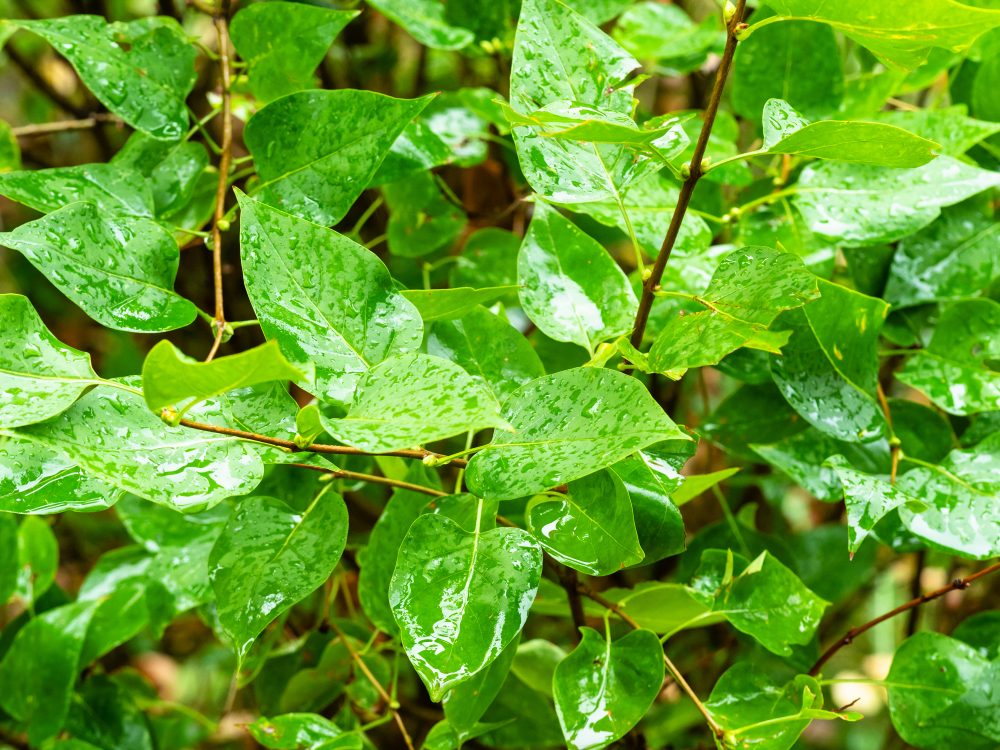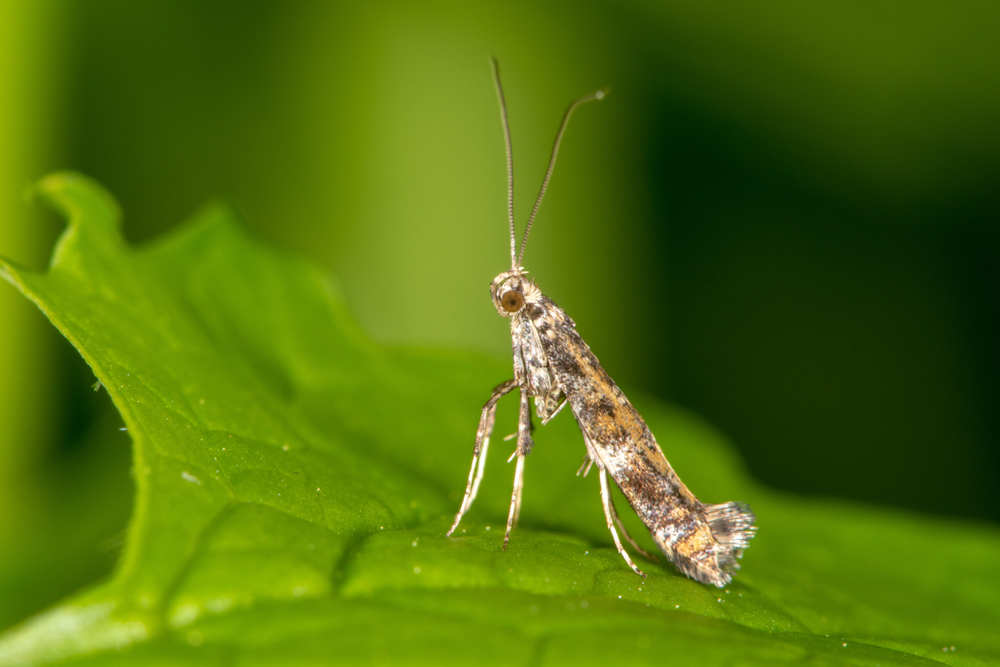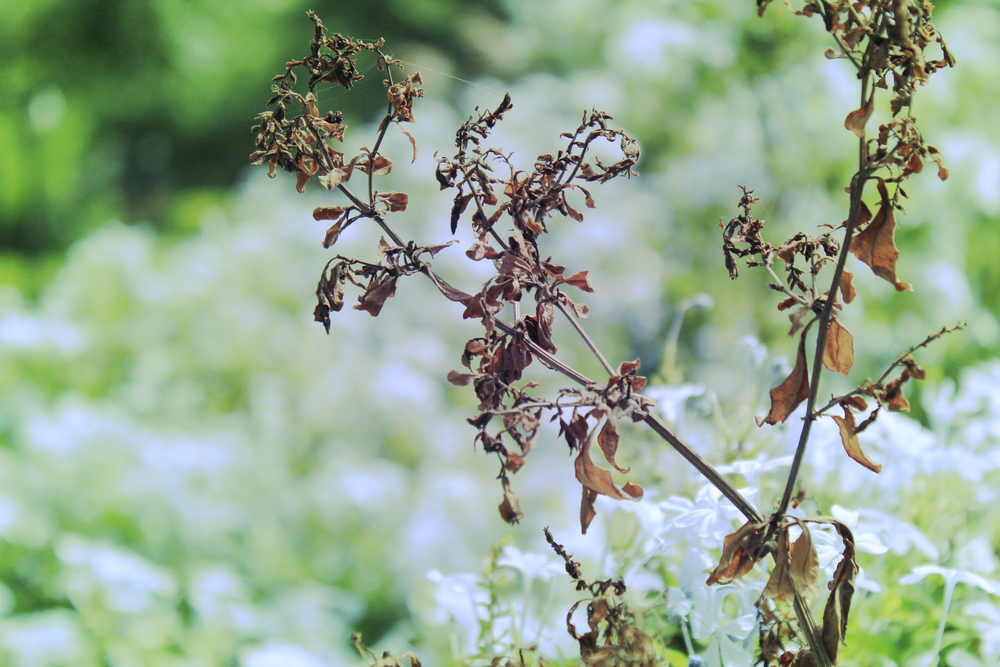
If your lilac is looking a little crispy, don’t panic! It’s easy to assume your plant is just thirsty, but a dried-out lilac can actually be a cry for help for several different reasons. To save your shrub, you’ve got to play detective and figure out what’s really going on. Here’s a breakdown of the most common culprits and how you can fix them.
Water Woes: Too Little vs. Too Much
Lilacs generally love a sandy, well-draining soil, but even they have their limits. If we hit a long dry spell, your lilac might start to suffer. The first red flag? Droopy, limp leaves. If it doesn’t get a drink soon, those leaves will turn brittle and drop off. The fix here is simple: give it a deep, thorough watering.
However—and this is the tricky part—too much water can actually cause the exact same “dried out” look. If your lilac is sitting in waterlogged soil (wet feet!), the roots can start to rot. When root rot sets in, the plant can no longer soak up moisture, so it literally dries out because it’s drowning. If this is the case, you’ll need to prune the lilac back significantly and transplant it to a spot with better drainage and sandier soil.
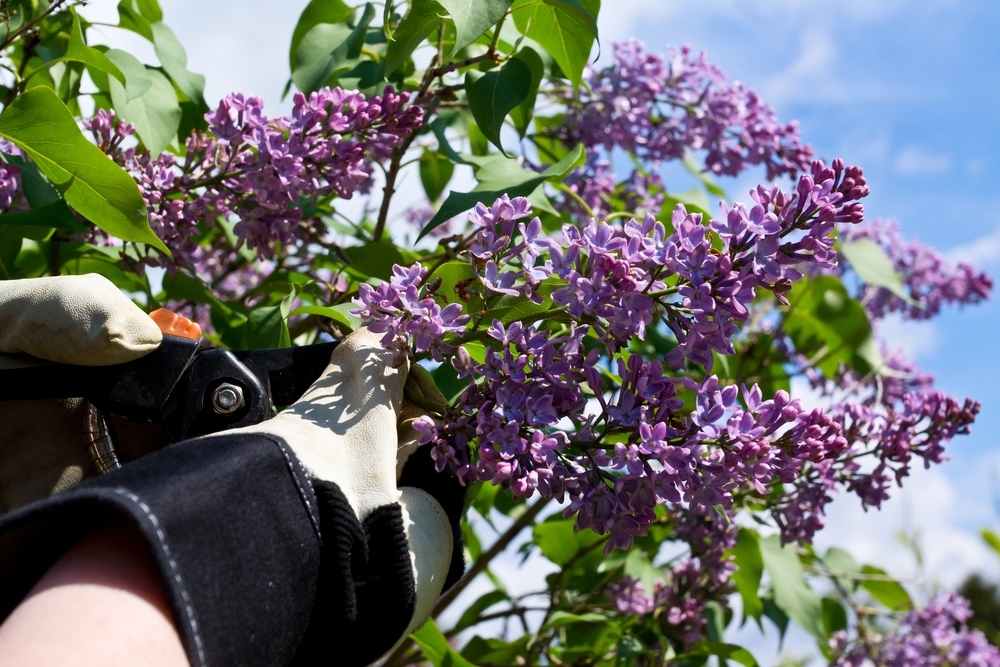
By the way, don’t feel guilty about giving your lilac a heavy trim. Plants don’t feel pain! From an evolutionary standpoint, pain wouldn’t make sense for them since they can’t run away from predators anyway. So, grab those shears with confidence—it’s for the plant’s own good!
Pests and Diseases
Sometimes the problem is hidden underground. Grubs (like June bug larvae) and voles love to snack on lilac roots. When the root system gets chewed away, the shrub can’t pull in the nutrients or water it needs to survive, causing it to slowly wither away. To fight back, try loosening the soil around the base and consider using a protective mesh or netting over the bed during peak grub season.
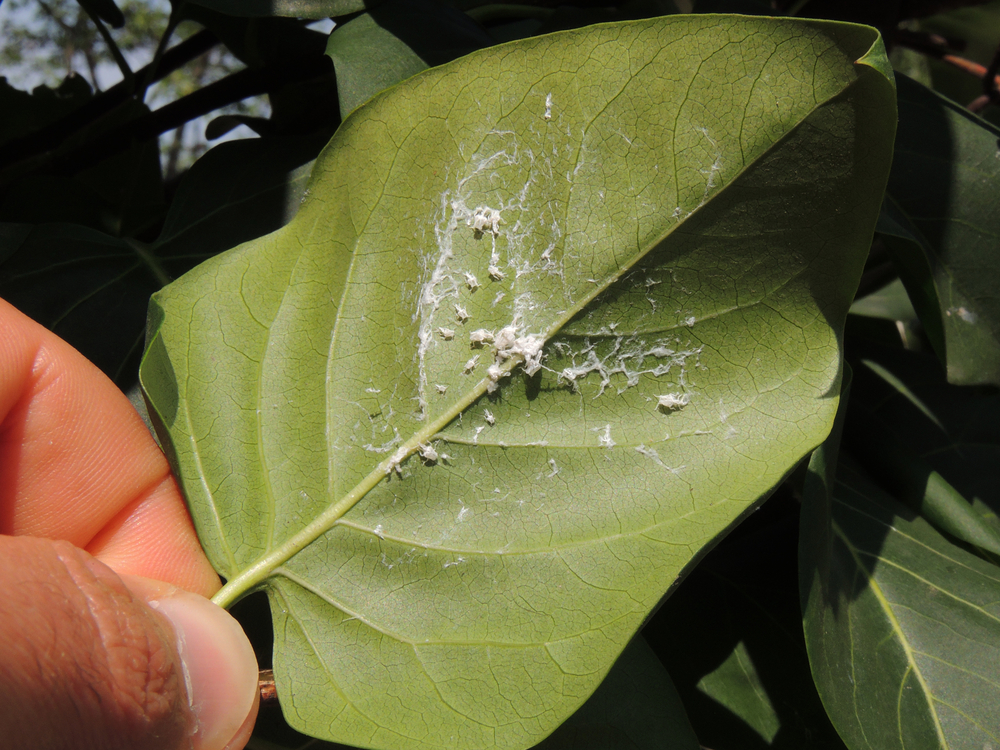
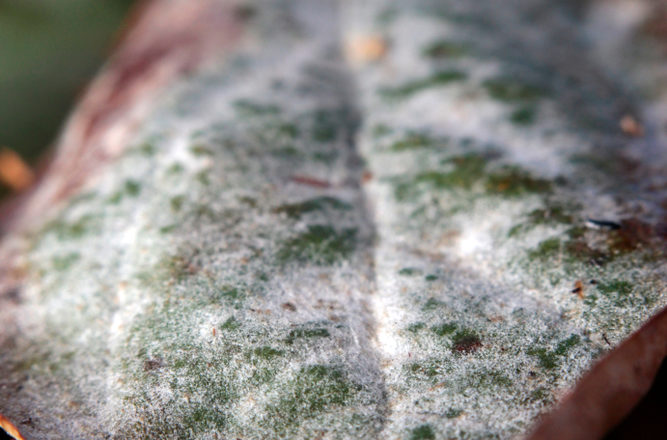
Diseases and fungal infections are also common party crashers that can dry out your lilac. Keep an eye out for:
- Lilac Blight (Pseudomonas syringae)
- Verticillium Wilt
- Leaf Spot (Ascochyta syringa)
If you spot these, your best bet is to prune the affected branches back until you hit healthy wood and treat the plant with a proper fungicide. Pro tip: Never put diseased clippings in your compost pile! Toss them in the regular trash so the infection doesn’t spread. Also, make sure to disinfect your garden tools afterward. If your lilac keeps getting sick, it might need a new home with better airflow, as stagnant air makes it a sitting duck for pests and diseases.