Boxwoods are total lime-lovers, so they need a steady supply of it to stay happy. But here’s the catch: you can’t just go overboard. Even though they crave it, too much lime can actually stress the plant out. Finding that “sweet spot” can be a bit of a balancing act, but don’t worry—a few simple test strips are all you need to get it right.
The Ideal pH Level for Boxwood Soil
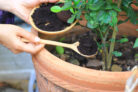
Boxwoods are happiest when their soil pH sits between 7 and 8. Most garden beds aren’t naturally in that range, and even if yours starts out perfect, it can drift toward the acidic side over time. For example, using coffee grounds as fertilizer will gradually acidify the soil unless you mix in some neutralizing rock dust. Because of this, almost every boxwood will need a lime boost at some point in its long life—some even need it annually. Don’t skip this step, because boxwoods living in soil that’s too acidic are much more prone to diseases.
How to Check Your Lime Levels
Even the most experienced gardener can’t tell the soil’s pH just by looking at it. You definitely don’t want to “eyeball” your liming routine, either. Before you do any major liming, run a quick soil test. It’s cheap, easy, and you can find test strips at any local garden center or online. If you’re a data nerd who likes checking your garden beds often, you might even want to invest in a digital pH meter.
Pro Tip:
If your boxwood is starving for lime, it’ll often let you know by developing yellow edges on its leaves. If you spot this, check your soil pH ASAP and add lime if the levels are low.
Which Type of Lime Should You Use?
The easiest way to keep things steady is to water your boxwoods with hard tap water (which is naturally high in calcium). This helps stabilize the pH so you only have to add extra lime occasionally. Beyond that, you’ve got plenty of options. You can find liquid lime fertilizers that work fast, or granulated versions for a slower release. Both will help your boxwood maintain that deep, lush green color and dense growth we all love.
- The best time to apply lime is in the fall.
- Aim for September or October.
- Always follow the package directions exactly.
- Adjust your dosage based on your soil test results.
Using Garden Lime Against Pests and Disease
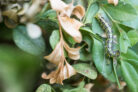
Many gardeners swear by calcified seaweed (algae lime) for more than just soil health. This fine powder is often used to fight off boxwood blight and keep hungry boxwood moth caterpillars at bay. To do this, you dust the entire canopy with the powder, usually repeating the process a few times. Since those caterpillars can strip a bush in no time and blight is notoriously hard to cure, it’s definitely worth a shot to save your boxwood this way. Plenty of folks in the gardening community have seen great results with it!