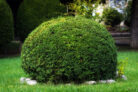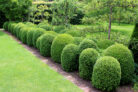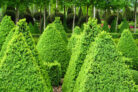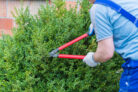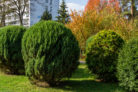
Boxwoods are notorious for growing at a snail’s pace. Because they take their sweet time, any care mistakes that mess with their classic look can take years to fix. That’s why getting your fertilizing routine right is so important! To keep that foliage lush, dense, and deep green, you need the right nutrients at the right time. Here’s everything you need to know to keep your boxwoods happy.
Nutrient Needs of a Boxwood
Since boxwoods grow so slowly, it’s easy to forget they actually need to eat! But remember: you get out what you put in. Because they are shallow-rooted—rarely reaching deeper than about 20 inches for water and food—you need to make sure these three essentials are always within reach:
- Nitrogen
- Potassium
- Lime
Your boxwood will only sprout those iconic, vibrant green leaves if there’s enough nitrogen in the soil. Potassium is the “toughness” nutrient; it helps new growth harden off so the plant can survive freezing winters and fend off pests and diseases. Boxwoods also love lime—you’ll want to keep the soil pH between 6.6 and 8.0 (don’t let it dip below 6.5). On top of that, a little iron, magnesium, and zinc go a long way in keeping the plant strong.
Pro Tip:
When planting, start your boxwood off right in nutrient-rich, humus-heavy soil. If your native soil is lacking, mix in plenty of high-quality compost.
Phosphorus Isn’t a Priority
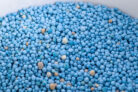
In the plant world, phosphorus is mainly used for blooming. Since we usually keep boxwoods tightly sheared, they rarely get the chance to flower (and honestly, we aren’t growing them for the blooms anyway!). That’s why “Blaukorn” or standard high-phosphorus fertilizers—while popular in many gardens—aren’t the best fit here. If you use all-purpose mineral fertilizers, use them very sparingly.
What Should You Use to Fertilize?
You’ve got plenty of great options for feeding your boxwood:
- Organic options like compost, horn shavings, or horn meal
- Specialized boxwood fertilizer or general evergreen/green plant food
- Potassium magnesium sulfate (often sold as Sul-Po-Mag or Patentkali)
- Garden lime or seaweed-based lime
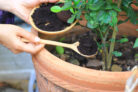
If you’re a coffee lover, you can even fertilize for free using dried coffee grounds once a week. Just keep an eye on your soil pH, as coffee is acidic. You might need to balance it out with some rock dust or lime.
Timing and Frequency
Even if you started with great soil, your boxwood needs a “refill” regularly. Most of the heavy lifting happens during the growing season from April through September. How often you feed them depends on what you’re using:
- Slow-release fertilizers: One application in the spring is usually enough for the whole year.
- Specific boxwood fertilizers: These usually require a second feeding around June.
- Organic fertilizers (Compost/Horn Meal): Apply these about every four weeks. A good rule of thumb is about 3 liters of compost or a tablespoon of horn meal per square yard.
In August, give them a final boost of potassium magnesium sulfate to help the branches mature for winter. After that, put the fertilizer away until next spring!
Signs of Nutrient Deficiency
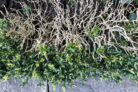
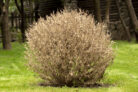
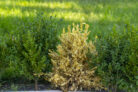
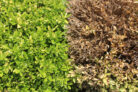
If your boxwood is hungry, it’ll tell you by changing color. If you see yellowing or bronzing, it’s time to act. However, before you dump a bunch of fertilizer on it, run a quick soil test. Over-fertilizing can be just as damaging as under-feeding.
Note:
Always take a close look at the leaves to make sure the discoloration isn’t actually being caused by pests or blight.
Work it in and Water it Down
To make sure those nutrients actually reach the roots, gently scratch the fertilizer into the top layer of soil. Follow it up with a good watering; this dissolves the nutrients so the plant can actually “drink” them in.
Feeding Potted Boxwoods
Boxwoods make stunning container plants if you’re handy with the shears. Just remember that potted boxwoods need a bit more attention. A liquid evergreen or boxwood fertilizer added to your watering can once a week during the growing season is the way to go.
Pros and Cons of Different Fertilizers
Not sure which one to pick? Here’s a quick breakdown:
- Specialized Boxwood Fertilizer: Perfectly balanced for the plant, but carries a higher risk of over-fertilizing if you aren’t careful.
- Compost: Usually free and very safe, but it can sometimes contain weed seeds.
- Coffee Grounds: Great way to recycle, but can make the soil too acidic, requiring extra liming.
- Potassium Magnesium Sulfate: Excellent for winter hardiness, but isn’t a complete “all-in-one” meal.
Whatever you choose, always follow the instructions on the label. When it comes to boxwoods, more isn’t always better!