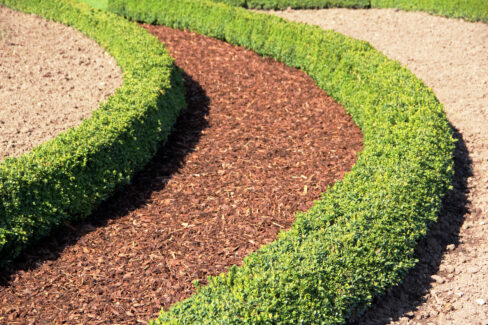
Boxwoods love consistently moist soil, which makes a thick layer of wood mulch seem like a total no-brainer. It stops moisture from evaporating and offers a few other perks to boot. But when it comes to the sensitive boxwood, even the best-intentioned gardening hacks need a closer look.
Mulch keeps boxwood soil hydrated
The main reason we spread wood mulch around our plants is to keep moisture from escaping the ground. This keeps the soil fresh and damp for longer, meaning you don’t have to drag the hose out quite as often. That’s a huge plus for boxwoods because they really hate drying out. Since they are shallow-rooted plants with roots that stay near the surface, they feel the effects of a dry spell much faster than other shrubs.
Does mulch mess with the pH level?
Wood mulch is a garden staple, but there are a few common worries when it’s used around boxwoods. A big one is the fear that as the mulch breaks down, it will make the soil too acidic. We all know boxwoods are “lime-lovers” and are happiest when the soil pH is between 7 and 8. Fortunately, there’s no real evidence that mulch lowers the pH enough to cause problems, so you’re generally in the clear on this front.
Pro Tip:
If you’re worried about your soil acidity, just test it! You can pick up inexpensive pH test strips at any garden center—they usually come in a bulk pack so you can check multiple spots.
Mulch and Boxwood Blight
In recent years, Boxwood Blight has been every gardener’s nightmare. It’s a nasty fungal infection that is notoriously hard to get rid of. Some people claim the fungus thrives in wood mulch, but so far, there aren’t any hard facts to back that up.
Using wood mulch for your boxwoods
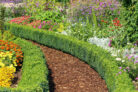
If you’re a fan of mulch—especially for its ability to smother weeds—go ahead and use it for your boxwoods. Just make sure you’re buying high-quality stuff and keep a close eye out for any signs of blight. Watch for brown spots on the leaves that get bigger over time or sections of the plant that start dying off.
- Only buy mulch from reputable garden centers.
- Focus on high-quality products.
- Give it the “sniff test.”
- Low-quality mulch usually has an intense, unpleasant, or slightly moldy smell.
- Top-tier mulch should have a pleasant, woody scent.