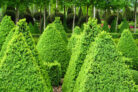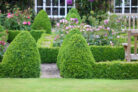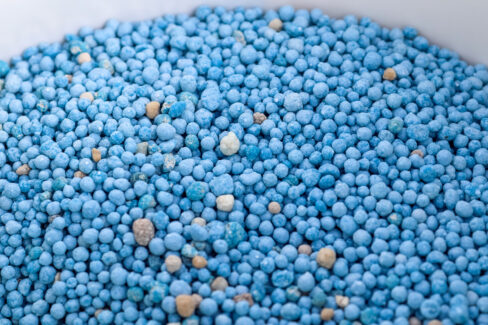
Most gardeners reach for “Blaukorn” (that classic blue granular fertilizer) when they want their flowers to pop. But with boxwoods, we aren’t really looking for flashy blooms—those are pretty rare and understated anyway. What we really want is to “feed” those dense, iconic green leaves. So, can this blue stuff actually get the job done? Let’s take a look at what’s inside to find out.
What’s actually in those blue granules?
Blaukorn is a mineral-based synthetic fertilizer, not an organic one. For many eco-conscious gardeners, that’s an immediate dealbreaker. Still, it remains a staple in many sheds because it packs a punch with the “Big Three” nutrients: nitrogen, phosphorus, and potassium (NPK). Depending on the brand, the ratio might vary, and some versions even include extra trace elements to boost growth.
Now, your boxwood (*Buxus sempervirens*) will definitely appreciate the nitrogen and potassium. Nitrogen is the engine behind growth and keeps those leaves looking lush and green. Potassium strengthens the branches, making them more resilient and helping to prevent nasty frost damage during the winter. However, the phosphorus is mostly a waste here; its main job is promoting flowers, which isn’t exactly a boxwood’s specialty.
Use caution if you go the blue route
Because the nutrient mix isn’t a perfect match for what a boxwood needs—and because synthetic fertilizers release nutrients so quickly that it’s easy to accidentally “burn” or over-fertilize your plants—I usually recommend skipping it. If you do decide to use it, less is definitely more. Just a few granules go a long way.
Pro Tip:
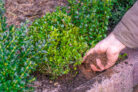
Only apply granular fertilizer to dry soil, but make sure to give it a thorough watering immediately afterward. Also, wear gloves to protect your skin from irritation, and always store any leftovers safely out of reach of kids.
Better alternatives for your boxwoods
Honestly, it’s easy to ditch the synthetic stuff because there are so many better ways to fertilize your boxwoods. Here are a few great alternatives you can use on their own or mix and match:
- Specialized boxwood fertilizer
- Evergreen or foliage plant fertilizer
- Well-aged compost
- Horn meal or rock dust (these work great when mixed with compost)
- Garden lime (Algenkalk)
- Crushed eggshells
- Nettle tea (liquid manure)
A quick note:
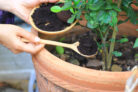
You can also fertilize your boxwoods with coffee grounds, but keep an eye on your soil’s pH level. Boxwoods don’t like soil that’s too acidic; they prefer to stay in the sweet spot between 6.5 and 7.5.