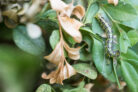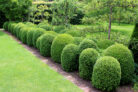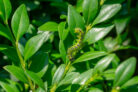
The bright green caterpillars of the box tree moth are notorious for their destructive appetite—they can strip a boxwood bare before you even realize what’s happening. For many gardeners, grabbing a sprayer feels like the only way to save their hedges. But hold on a second! Not every spray is a “miracle cure,” and most come with some nasty side effects. If you take a closer look, there are actually much simpler (and safer) ways to fight back.
Why You Should Skip the Harsh Chemicals
Chemical pesticides might offer a quick fix for your boxwood blues, but they usually create a whole new set of problems. Those toxic ingredients don’t just target the caterpillars; they also harm the “good guys” in your garden. Every year, countless bees and bumblebees die from exposure to these sprays. Songbirds are also at risk if they snack on poisoned larvae. Plus, boxwoods themselves aren’t exactly fans of harsh chemicals—it’s common to see the leaves discolor or react poorly after a heavy treatment.
Going Green: Biological Controls
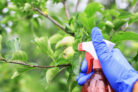
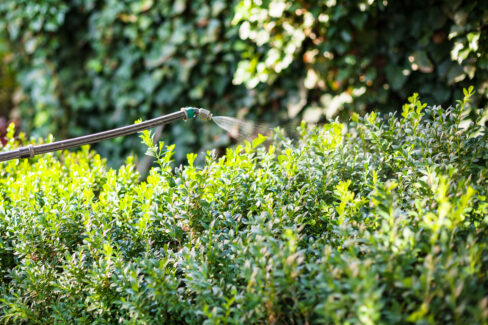
The good news is that as more gardeners demand eco-friendly options, the selection of organic pest controls is growing. You can definitely find a biological solution for this infestation. Right now, the gold standard is a bacterium called *Bacillus thuringiensis* (Bt). Sprays containing Bt are approved for home gardens and work like a charm: the caterpillars eat the bacteria and stop feeding almost immediately. The trick is timing—you’ll want to start spraying by late April to catch the first generation.
- Only spray on cloudy days to prevent leaf burn.
- Soak the boxwood thoroughly, from the inside out, until it’s dripping.
- Always follow the label for the right dosage and frequency.
- Wait for a day when it’s at least 65°F (18°C).
- The caterpillars are most active and vulnerable in warmer weather.
Pro Tip:
If your boxwood hasn’t been treated with chemicals yet, you can also try a “living” treatment using beneficial nematodes (*Steinernema carpocapsae*). These tiny organisms hunt down the larvae naturally.
Home Remedies for Caterpillars
Some resourceful gardeners have had great luck using calcified seaweed (algae lime). You just dust the fine powder generously over the foliage. If you’ve got a small infestation and a strong stomach, you can also just pick them off by hand. Make sure to peek deep inside the shrub, because that’s where they start eating the plant from the inside out. For larger, sturdier bushes, you can even use a leaf vacuum to suck them up or a power washer to blast them out. Just lay down a large tarp first so you can gather the fallen pests and dispose of them quickly.
If a branch is heavily infested, don’t be afraid to give it a hard prune, regardless of which other method you use. Boxwoods are tough—they can handle being cut back into old wood and will survive even if they lose half their canopy. Just remember to dispose of the clippings in the regular trash, never in your compost pile!