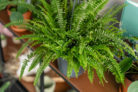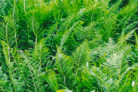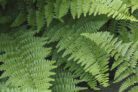
There are roughly 17,000 different fern species worldwide, but only about 200 of them call Central Europe home. If you’re looking at the Male Fern (Dryopteris) specifically, the odds are a bit better—out of 280 species globally, nine of them thrive in cooler climates.
A Truly Unique Fern
Did you know that the Male Fern is actually a fantastic natural way to keep slugs and snails out of your garden? It’s a total hidden gem for pest control! The name “Wurmfarn” (Worm Fern) in German actually comes from its history in traditional medicine, where it was used to treat tapeworms. A word of caution, though: the toxins that make it effective against parasites are also harmful to humans, so handle it with care. One of the coolest things about this plant, however, is how it reproduces.
The First Generation
Like all ferns, the Male Fern doesn’t bother with flowers, fruit, or seeds. Instead, it relies on spores, and the process is pretty fascinating. In the first stage, the plant produces a “prothallus”—a tiny heart-shaped structure that contains both male and female cells. These mature throughout the summer until they’re ready to burst. Once they pop, the spores scatter onto the soil and get ready to start the next phase of their life cycle.
The Second Generation
As those spores germinate, they create a thin green film on the ground. This is where the magic happens: the male and female cells develop, but they need a lot of moisture to get together. The male cells actually have to “swim” through a film of water to reach the female cells. This is exactly why you’ll always find ferns tucked away in damp, shady spots. Once the cells meet and fertilization happens, a brand-new fern begins to grow.
How to Propagate Ferns Yourself
If you don’t want to leave your garden’s growth up to chance, you can easily help the process along yourself. Here’s how to do it:
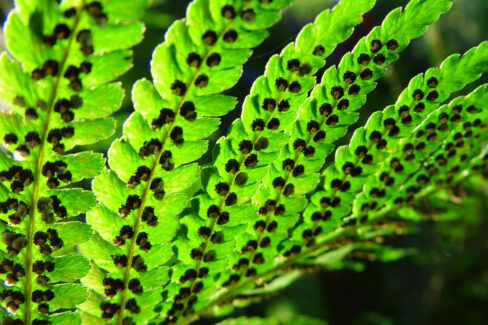
- Snip off a frond that has visible spore cases on the underside.
- Lay the frond face-down on a piece of white paper and wait for the spores to drop.
- Collect those tiny spores and sow them in moist soil in a shady spot.