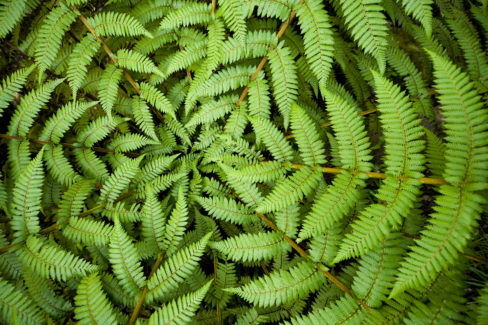
Ferns are true survivors—they’re actually one of the oldest plant groups on the planet! Because they’ve been around since the dawn of time, they’ve had plenty of room to diversify. There are over 17,000 different species worldwide, with nearly 200 of those calling Europe home. However, because some of these ancient plants are becoming quite rare, several species are now legally protected.
Protected Fern Species
In Germany, specific types like Spleenworts and Shield Ferns are under special protection. If you’re out exploring, keep an eye out for these protected beauties:
- Lobed Shield Fern
- Holly Fern
- Soft Shield Fern
- Rustyback Fern
- Spiny Shield Fern
- Azores Spleenwort
- Foreser Spleenwort
- Serpentine Spleenwort
- Jura Spleenwort
- Crested Wood Fern
- Lanceolate Spleenwort
- Parsley Fern
- Woodsia (Woods Ferns)
- Mountain Bladder Fern
- Sudeten Bladder Fern
You’ll also find that the Royal Fern and the Hart’s-tongue Fern are quite rare in Germany and are protected in many regions as well.
Critically Endangered Species
Beyond the generally protected list, there’s a small group of ferns that have almost vanished entirely. These are listed on the “Red List” of endangered species. This category includes:
- Branched Moonwort
- Multi-cleft Moonwort
- Filmy Fern
Picking, digging up, or damaging these plants is strictly forbidden. Doing so can result in some pretty hefty fines, so it’s best to admire them from a distance!
Identifying the Species
Here’s the tricky part: many protected and common ferns look almost identical to the untrained eye. While it’s easy to look at a plant and say, “Yep, that’s a fern,” identifying the exact species is a whole different ballgame. Experts usually look at the frond structure and the shape of the spore cases (sori), but for most of us, telling them apart is incredibly complicated.
When in Doubt, Leave It Be
If you stumble upon a beautiful fern while hiking or exploring the wild, the best rule of thumb is to leave it right where it is. That way, you don’t accidentally disturb a protected species. On the flip side, it’s very unlikely that a rare, protected fern will just randomly sprout up as a weed in your backyard. If you have ferns taking over your flower beds and you want them gone, you can usually go ahead and get rid of them without worrying about their conservation status.