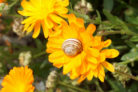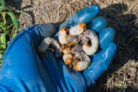
The scent of Marigolds (*Tagetes*) is a fantastic, eco-friendly secret weapon against harmful nematodes. These tiny pests can take over a garden bed so quickly that they cause visible damage to your favorite plants. Instead of reaching for harsh chemicals, you can win this fight with just a simple packet of seeds. Let’s get them in the dirt and let them get to work!
Nematodes: The Unseen Garden Pests
Nematodes are tiny, colorless, or whitish roundworms found pretty much everywhere in nature. There are tons of different species, and many of them specialize in attacking specific host plants. When they multiply too quickly in your vegetable patch, they become a real problem that’s hard to ignore. You’ll know you have an infestation when your crops start showing these signs:
- Stunted growth
- Discolored leaves
- Premature wilting
- Root rot
Marigolds as a Natural Nematode Assassin
Thanks to their unique scent, Marigolds (which you might also know as *Tagetes*) aren’t just great for deterring slugs. The roots actually release a chemical signal into the soil that lures nematodes in. But here’s the twist: as soon as those pests start nibbling on the roots, they’re hit with a natural toxin the Marigold has waiting for them. Once the nematodes ingest it, it’s game over. They simply don’t survive the meal.
How to Deep-Clean Your Soil with Marigolds
If you have a garden bed that is heavily infested with nematodes, here is the game plan for a total soil reset:
- Plant Marigolds across the entire affected area.
- Alternatively, do a heavy broadcasting of seeds.
- Don’t leave any gaps or empty spots.
- Weeds can act as “safe” host plants for nematodes, so clear them out before planting.
- Keep up with weeding throughout the season so the nematodes stay focused on the Marigolds.
- Let the Marigolds grow for at least three months to be fully effective.
For this to work, the Marigolds need to be in the ground while the nematodes are active. Since these flowers are not frost-hardy and grow during the warm months—exactly when nematodes are most busy—the timing usually works out perfectly on its own.
Marigolds as Green Manure
Even for nematode species that don’t find Marigolds “tasty,” these flowers can still help through a different strategy. When used as a green manure (planted densely and then tilled back into the soil), they suppress weeds like chickweed or chamomile. Since these weeds often serve as alternative hosts for nematodes, getting rid of them effectively starves the pests out.
Pro Tip:
It’s a great habit to tuck a few Marigolds into your vegetable beds every single year. They have so many benefits! For example, if you plant them among your cabbage, they do a wonderful job of chasing away the dreaded whitefly.