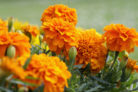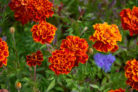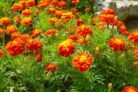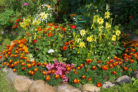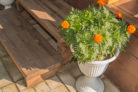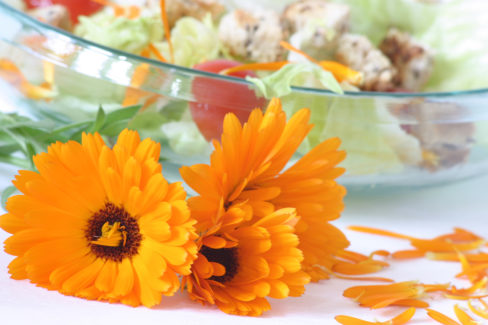
Every classic cottage garden needs at least a few Marigolds. Honestly, even a modern city patio could use the cheerful pop of color these plants provide! But beyond their bright yellow and orange petals, have you ever wondered if they belong on your dinner plate? As it turns out, for several varieties, the answer is a delicious “yes.”
All Marigolds are edible, but some taste better than others
Technically, all varieties of Marigolds (botanically known as *Tagetes*) are edible. However, while some are a treat for the taste buds, others can be quite bitter and are better left as eye candy. If you plant them in a sunny spot, you can harvest these specific varieties during their blooming season to level up your cooking:
- *Tagetes tenuifolia*: Known for an intense citrus punch.
- *Tagetes lucida* and *Tagetes minuta*: Both offer a lovely anise (licorice-like) aroma.
- *Tagetes filifolia*: Tastes remarkably like licorice (which is why it’s often called the “Licorice Marigold”).
In South America, *Tagetes lucida* is used much like we use parsley here in the States. *Tagetes minuta* is a staple there for seasoning salads and sauces, and it works just as well in our kitchens! If you’re a fan of black licorice, you can snack on *Tagetes filifolia* straight from the garden, brew it into a tea, or even use it to make a flavored vinegar.
Pro Tip:
Marigolds are not frost-hardy. If you dig up your edible varieties before the first freeze and overwinter them indoors, you can keep enjoying fresh herbs in your kitchen all winter long.
Signet Marigolds: A chef’s secret ingredient
The “Signet Marigold” (botanically *Tagetes tenuifolia*) is the superstar of the culinary world. As the name suggests, it’s prized primarily for its flavor. You’ll get a hint of what’s to come just by catching its scent—it has a surprisingly bright, citrusy aroma. To be specific, the flowers and leaves taste just like tangerines!
Because of this, Signet Marigolds are a go-to for desserts, though they also add a wonderful freshness to summer salads. Luckily, they bloom so prolifically that you’ll have plenty of flowers for all your kitchen experiments. You can even toss the petals and leaves into hot dishes, like a wine-based dessert sauce.
Slugs love them just as much as we do
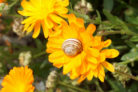
Fair warning: humans aren’t the only ones who find Marigolds delicious. Their scent is like a magnet for slugs! They’ll happily munch on Marigold stems while leaving your other plants alone. Smart gardeners can actually use this to their advantage by using Marigolds as a “trap crop” to protect the rest of the garden. They are also great for soil health; they attract harmful nematodes in the soil, which then die off after feeding on the roots. Between the kitchen uses and the pest control, sowing Marigold seeds is a win-win for any gardener.