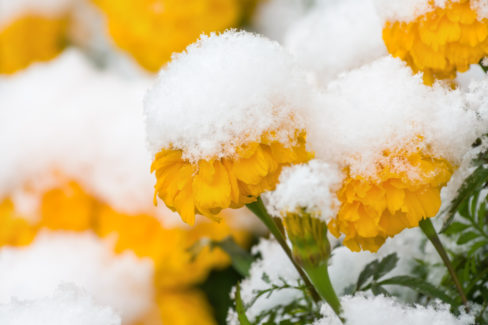
When it comes to Marigolds (or *Tagetes*, if you want to get fancy), there are two things you need to know: they absolutely hate the frost, but they are actually perennials by nature. Since most of us have limited space in our “indoor plant hotels” over the winter, we have to make a tough call: do we try to overwinter them or let nature take its course? Honestly, the choice is easier than you might think.
Marigolds are never winter-hardy
The Marigold is not winter-hardy—period. In the mountain regions of South America where they originate, the thermometer never hits zero, so they’re happy campers all year round. But here in the States, that lack of cold tolerance means they are usually grown as annuals. Planting season kicks off in mid-May once the danger of frost has passed. As soon as that first real frost hits in the fall, blooming season comes to an abrupt end, and the plants will freeze.
When is overwintering actually worth it?
Theoretically, many Marigold varieties are perennials. To actually see them live for more than one season in our climate, you have to bring them inside. Whether they are in a garden bed or a container, a Marigold simply won’t survive outdoors; even the best winter mulch or burlap wraps aren’t enough to save them.
Since most of us don’t have a massive greenhouse to store every single frost-sensitive plant we own, we have to be picky. Usually, Marigolds don’t make the cut—unless you have a particularly stunning specimen, a rare variety, or an edible variety that you want to keep using in the kitchen throughout the winter.
How to overwinter Marigolds the right way
If you’ve decided to save your Marigolds, here’s how to make sure the process goes smoothly:
- The plant needs to be in a pot.
- If it’s in the ground, dig it up carefully and transplant it.
- Move it inside *before* the first frost hits.
- Even a light touch of frost can be enough to kill the plant.
- Choose a bright room that stays between 60°F and 68°F (15-20°C).
- Water occasionally, but don’t use fertilizer.
- Keep things tidy by removing spent blooms and dried leaves.
You shouldn’t replant your overwintered Marigolds back in the garden until mid-May. However, they can enjoy some “day trips” outside in their pots starting in April on particularly warm days.
The easier alternative: Starting fresh from seed
The main reason most gardeners don’t bother with overwintering is that Marigolds are incredibly easy to propagate from seed the following year. Just harvest the seeds in the fall. You can sow them directly in the ground in late April or start them indoors even earlier.
Pro Tip:
Go ahead and sow a few extra seeds! Marigolds aren’t just pretty faces; they’re hard workers in the garden. They can help distract slugs and are famous for cleaning up the soil by fighting off harmful nematodes.