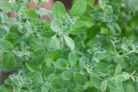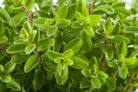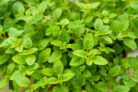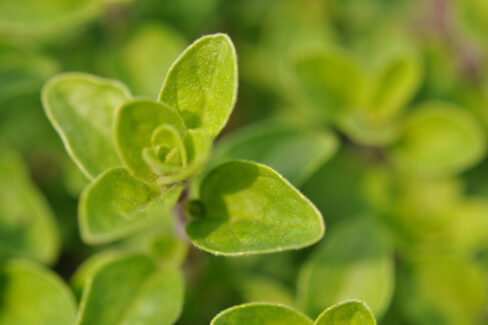
Most of us are used to buying marjoram as an annual, which usually means bad news once the first frost hits. Interestingly, in its sunny Mediterranean home, marjoram actually grows as a perennial. So, can we save ourselves the trip to the garden center every spring? To be honest, trying to overwinter marjoram in our climate is a bit of a long shot.
Marjoram just can’t handle the cold
Sweet marjoram is pretty sensitive and won’t survive a hard freeze, so leaving it out in the garden bed over winter is a no-go. Even the best winter mulch or frost blankets usually aren’t enough to save it. Unless we have an exceptionally weird, mild winter where temperatures never really drop, it’s likely not going to make it.
Pro-tip:
If you want something that can handle the cold, give oregano (often called wild marjoram) a try. It’s a close relative of sweet marjoram and shares that great savory flavor profile, though it definitely packs a punchier, spicier kick.
Trying to overwinter marjoram indoors
If you’ve got some extra time on your hands or you’re just really attached to your plants, you can try bringing your marjoram inside. Just a heads-up: it’s often more trouble than it’s worth because the success rate is pretty low. But if you’re feeling adventurous, here’s how to do it:
- Dig up your marjoram in the fall.
- Re-pot it into a large container.
- Give it a light trim if needed.
- Keep it in a warm spot.
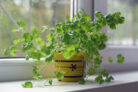
- A bright windowsill right above a radiator is usually your best bet.
- Water it whenever the soil feels dry.
If your marjoram survives its “winter hotel” stay, you can move it back out to the garden in mid-May. Just remember to practice good crop rotation—wait three years before planting marjoram (or its cousin, thyme) in the same spot again.
Stocking up for the winter
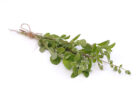
Just because you won’t have fresh marjoram in the garden all winter doesn’t mean you have to cook without it! Marjoram is packed with essential oils, so it stays incredibly flavorful even after drying. I wouldn’t recommend freezing it, though; it tends to get mushy and loses its signature punch. For the best results, harvest your sprigs right before the plant starts blooming—that’s when the aroma is at its peak.
Starting marjoram seeds indoors
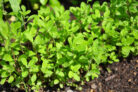
Since marjoram is treated as an annual here, you’ll need to sow seeds every year. You can’t safely plant it outside until the threat of frost has passed in mid-May. However, if you start your seeds indoors as early as February and then transplant them into the garden in May, you’ll get a huge head start. It’s a great way to shorten that “no-fresh-herbs” gap by several weeks!