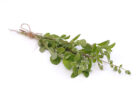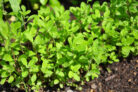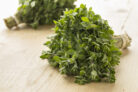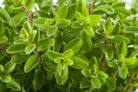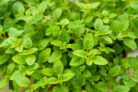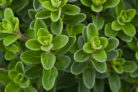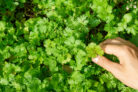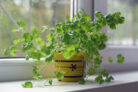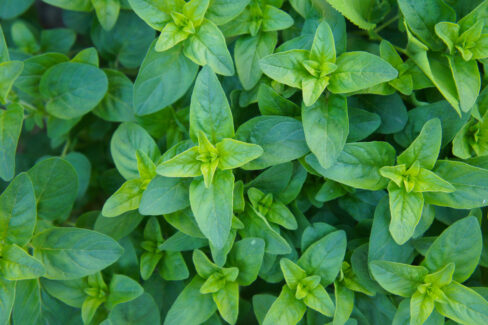
Marjoram and oregano are close cousins in the mint family (Lamiaceae). In fact, they’re so related that oregano is often called “Wild Marjoram.” While they share a lot of DNA, these two herbs have some pretty distinct personalities. Let’s break down how to tell them apart so you don’t end up with the wrong flavor profile in your next kitchen masterpiece.
Marjoram vs. Oregano: A Case of Mistaken Identity
Both marjoram and oregano belong to the genus *Origanum*. Because they’re so closely related, they look like twins at first glance. Their leaf shapes are nearly identical, and they both produce clusters of tiny, delicate flowers. It’s no wonder gardeners get them mixed up! However, if you’re planning on planting these in your herb garden, you’ll want to know the differences. Trust me, your taste buds will thank you for not grabbing the wrong one by mistake.
Marjoram: The Mild, Sweet Annual
Sweet marjoram (*Origanum majorana*) is the more refined, gentle sibling. Here’s what sets it apart from oregano:
- Not winter-hardy: It can’t handle a frost, so it won’t overwinter outdoors in most US climates.
- Grown as an annual: You’ll usually need to replant it every spring.
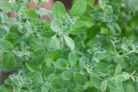
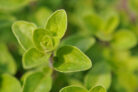
- Leaf texture: The leaves are about 0.8 to 1 inch long, oval-shaped, and have a fuzzy, velvety texture.
- Bloom time: It flowers from June through September.
- Flower color: The blossoms are white or a very pale pink.
- Flavor profile: It has a sweet, spicy, and mild aroma.
- Best for: It’s a classic choice for stews, hearty meat dishes, and roasted veggies. In some places, it’s even called “sausage herb” because it pairs so well with savory meats.
Oregano: The Bold “Wild Marjoram”
Oregano (*Origanum vulgare*) is the rugged, wild version that grows naturally across the Mediterranean. It’s a bit punchier than its cousin, and once you look closely, the differences start to pop:
- Winter-hardy: Oregano is a tough perennial that comes back year after year.
- Leaf texture: The leaves are slightly pointed and usually smooth (though they might have tiny hairs along the edges).
- Size: They are a bit larger than marjoram leaves, ranging from 1 to 1.5 inches.
- Bloom time: The flowering season starts a bit later, usually July through September.
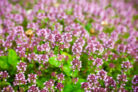
- Flower color: You’ll see beautiful pink to purple blooms.
- Flavor profile: It has an intense, earthy, and slightly bitter kick.
- Best for: This is your go-to for pizza sauce, pasta, and all your favorite Mediterranean dishes.
Growing Marjoram and Oregano
Deciding which one to grow really comes down to your personal taste—though I always say, why not both? Just keep in mind that while marjoram stays in its lane, oregano is a bit of a space hog and likes to spread out. You’ll need to prune your oregano back regularly to keep it in check, whereas marjoram requires a fresh sowing every year. Both of them are sun-worshippers, so make sure they get plenty of heat and direct sunlight.
Pro Tip:
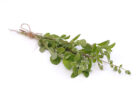
If you harvest more than you can use fresh, don’t let it go to waste! Both herbs hold their flavor beautifully when preserved. The best way to keep that aroma intact is by drying them for your winter spice rack.