Mediterranean herbs originally called the sunny shores of the Middle Sea home, and honestly, it’s hard to imagine that world-famous cuisine without them. Today, I’m breaking down the seven most popular Mediterranean herbs you can grow in your own backyard, plus a little “insider tip” at the end!
[[pflanzen]]
++Mint (Mentha)
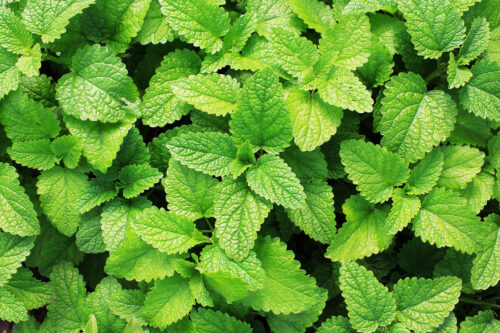
Mint is easily one of the most versatile kitchen herbs when it comes to variety and flavor. You can find everything from high-menthol varieties to spicy-sharp or even fruity-fresh types. Because there are so many kinds, the look and growth habit can vary quite a bit. Generally, you’ll see oval or elliptical leaves with serrated edges. They hit their peak flavor in mid-summer, and depending on the variety, you might see white, light pink, or even purple flowers. The best part? Mint is incredibly low-maintenance and a breeze to grow.
++Basil (Ocimum)
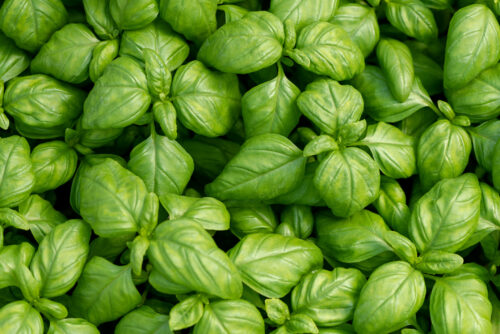
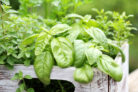
Basil is a short-lived, often annual herb that is the heart and soul of Mediterranean cooking. Like most members of the mint family, it has a distinct square, slightly woody stem. The leaves are oval to oblong and have that unmistakable, sweet-spicy aroma we all love. Basil produces small white flowers in clusters. If you’re planting it outdoors, wait until May and pick a spot that gets plenty of warm, direct sunlight.
++Sage (Salvia officinalis)
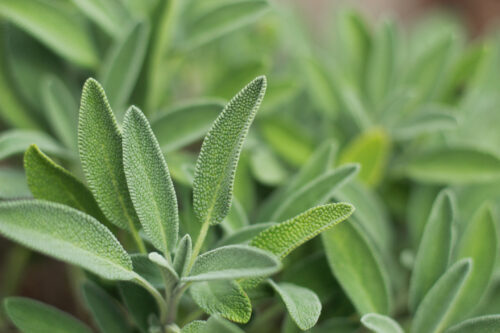
While the earthy, slightly bitter taste of sage isn’t for everyone, this ancient medicinal and culinary herb is a staple in Mediterranean kitchens. You can recognize sage by its bushy, branched growth and those velvety, grayish-green oval leaves. If you rub a leaf between your fingers, you’ll get a hit of its savory, aromatic scent. Starting in June, it blooms with violet flowers that are packed with nectar—making it a favorite pit stop for bees and other pollinators.
++Oregano (Origanum)
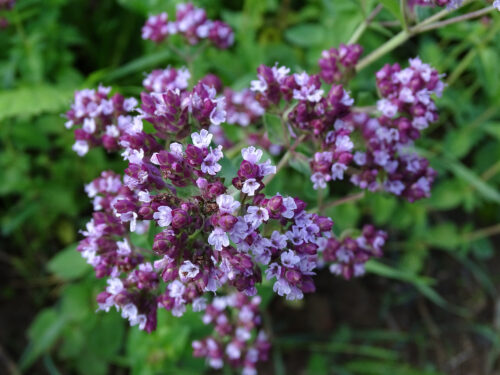
Those tiny, oval leaves are the secret sauce for pasta dishes and a must-have for any pizza. Oregano is actually one of the few herbs that is often better dried, as the drying process really intensifies its flavor. This perennial grows back from its rootstock every year, reaching about 15 to 20 inches tall. The small leaves grow densely along upright stems, and starting in July, you’ll see edible flowers in shades of white, pink, or purple.
++Rosemary (Salvia rosmarinus)
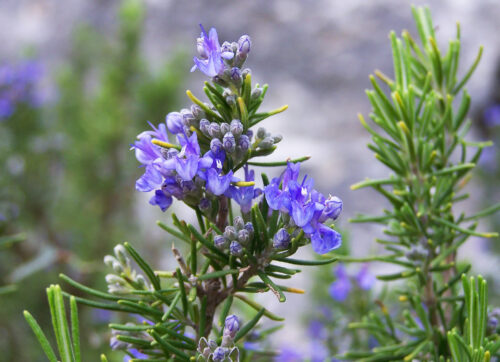
Rosemary’s needle-like leaves are the go-to for giving meat and fish that classic Mediterranean flair. It grows as a perennial shrub in sunny, warm spots. Just a heads-up: the tips of the branches don’t always fully harden (turn woody) before winter, so in colder climates, it might suffer some frost damage even with protection. Don’t worry, though—it usually bounces right back in the spring! It starts blooming in early May with aromatic white, pink, or violet-blue flowers that insects absolutely love.
++Lavender (Lavandula angustifolia)
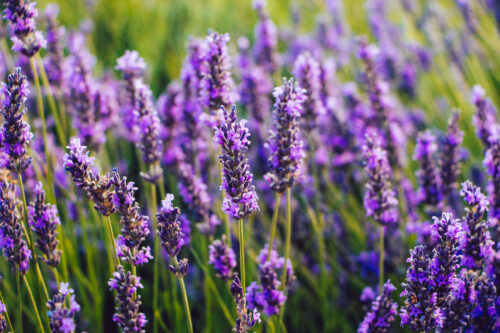
English Lavender has a lovely, savory flavor that—when used sparingly—adds a wonderful dimension to meat dishes. This shrubby plant grows upright and bushy with narrow, silvery-green needles. While we usually think of those iconic purple or blue spikes that appear in July, there are also white and pink varieties. Its mild scent is like a magnet for bees, bumblebees, and butterflies looking for a snack.
++Thymian (Thymus vulgaris)
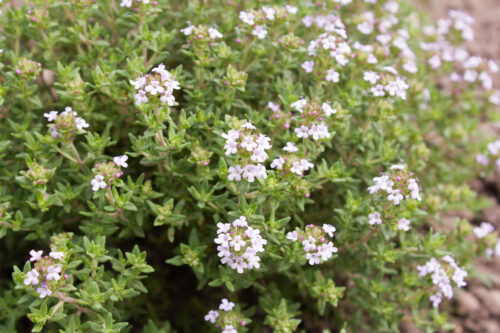
Thyme is arguably the most famous Mediterranean herb and a key player in “Herbes de Provence.” It grows as a low, dense carpet, usually only 4 to 12 inches high. You can spot it by its tiny, narrow leaves that are slightly fuzzy on the underside. From May onwards, it produces pink to lilac flowers arranged in whorls. It’s a fantastic “bee pasture” and an ecologically valuable addition to any herb garden.
%%Bay Laurel (Laurus nobilis)
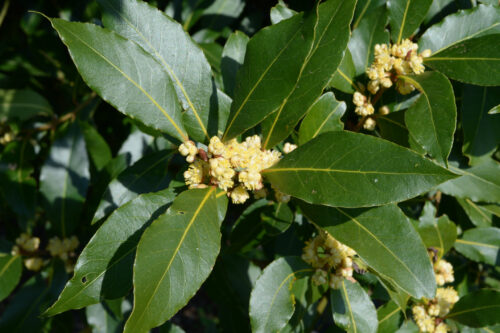
Bay laurel is a bit sensitive to the cold, but it does great in pots or in milder climates. The dark green, leathery leaves are best harvested in the fall. You can use them fresh or dry them without losing any of that signature aroma. They are perfect for seasoning roasts, stews, or even red cabbage. While the plant does flower between March and May, the blooms are pretty subtle and are mostly grown for the foliage rather than the looks!